EnviroPro 360

November 2025

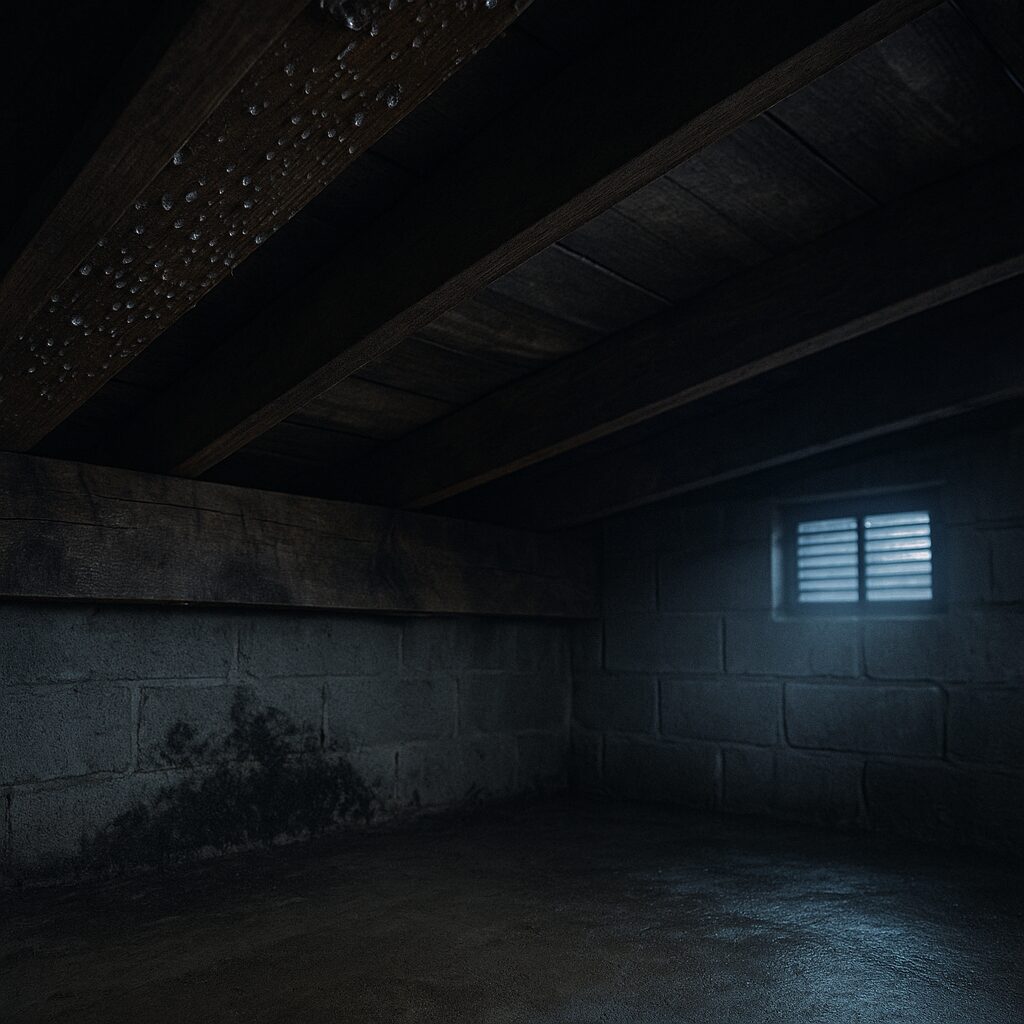
Allergy season might be over, but mold is still in the air. Learn how indoor mold during the winter months could be the reason you feel sick year-round.

Winter Mold Allergies: Why You Still Feel Sick Indoors

The pollen count drops in winter, windows stay closed, and most Augusta-area residents assume their indoor air quality improves during the colder months. For many, the opposite is true. Winter in Georgia and South Carolina creates conditions that favor indoor mold growth: sealed homes with reduced ventilation, condensation from heating systems on cool surfaces, and […]

Winter Mold Allergies: Why You Still Feel Sick Indoors Read More »
Legionella bacteria can thrive in warm, stagnant water systems, posing serious risks to tenants and customers. Is your property safe?

Legionella Testing: Is Your Building’s Water Hiding a Healt …

Legionella is a waterborne bacterium that lives naturally in freshwater but becomes dangerous when it colonizes building water systems. When contaminated water is aerosolized through showers, faucets, cooling towers, decorative fountains, or hot tubs, people can inhale the droplets and develop Legionnaires’ disease, a severe and sometimes fatal form of pneumonia. In the Augusta area

Legionella Testing: Is Your Building’s Water Hiding a Healt … Read More »

If you rent your apartment or house, you might wonder if radon testing is really your responsibility. Here’s why protecting your health is worth every penny.

I’m Just Renting Why Should I Pay for a Radon Test?

Renters often assume radon testing is the landlord’s responsibility or the homeowner’s concern. But the health risk from radon does not distinguish between owners and renters. If you breathe the air in a home with elevated radon levels, your lung tissue is exposed to the same radioactive decay products as anyone else who lives there,

I’m Just Renting Why Should I Pay for a Radon Test? Read More »

Even upper-floor apartments are at risk. Get professional radon testing with EnviroPro 360—because peace of mind starts with knowing the air you breathe is safe.

Does Living on the 3rd Floor or Higher Keep Me Safe from Radon?

If you rent or own a unit on the third floor or higher, you may have heard that radon is primarily a basement and ground-floor concern. The EPA recommendation that all living areas below the third floor be tested reinforces this impression. But that guidance describes a general priority, not a safety guarantee. According to

Does Living on the 3rd Floor or Higher Keep Me Safe from Radon? Read More »

If your property was built before 1980, that “old insulation” could be asbestos. Learn how to recognize the warning signs and protect your building from hidden health risks.

The Hidden Health Risks of Old Insulation

Most asbestos exposure in commercial buildings doesn’t happen during formal demolition projects. It happens during routine maintenance — a plumber cutting into insulated pipe, an HVAC technician repositioning ductwork, a contractor removing a ceiling tile. The asbestos was already there, often in plain sight, and no one thought to question it. If you manage or

The Hidden Health Risks of Old Insulation Read More »

Musty smell at the office? It might not be “just the carpet.” Learn how to spot early signs of workplace mold before it impacts employee health or productivity.

How to Tell If Your Workplace Has a Mold Problem Before Employees …

Commercial buildings develop mold problems through the same mechanisms as residential properties — moisture intrusion, inadequate ventilation, and HVAC failures — but on a larger scale and with more complex consequences. In Augusta and the CSRA, where older commercial building stock intersects with a climate that delivers significant humidity and rainfall, mold in workplaces is

How to Tell If Your Workplace Has a Mold Problem Before Employees … Read More »

Scroll to Top