When a lease renewal offer arrives, most renters focus on the rate, the terms, and whether they want to stay. Few think to ask: has this unit ever been tested for radon?
If the building has never been tested, lease renewal is the right moment to raise that question.
Why Radon Matters in Rental Housing
Radon is a naturally occurring radioactive gas produced by the breakdown of uranium in soil and rock. It seeps into buildings through foundation cracks, concrete slab openings, pipe gaps, and crawl space pathways. Once inside, it accumulates in living spaces, particularly on lower floors and in areas with limited air exchange.
The U.S. Environmental Protection Agency estimates radon causes approximately 21,000 lung cancer deaths in the United States each year, making it the second leading cause of lung cancer after smoking. The Centers for Disease Control and Prevention notes that radon-related lung cancer affects both smokers and non-smokers, and that risk accumulates with length of exposure.
That last point matters for renters. The longer you stay in a unit with elevated radon, the greater the cumulative exposure. Signing another 12-month lease without knowing your radon level adds a full year of unknown exposure time.
Georgia and South Carolina Do Not Require Landlord Testing
Neither Georgia nor South Carolina currently requires residential landlords to test for radon or disclose test results to tenants. This is different from lead paint disclosure requirements, which apply in older housing. For radon, the legal obligation does not exist in these states.
That means your landlord may have never tested, may not know the radon level in your unit, and has no legal obligation to find out before offering a renewal. If you want this information, you need to ask for it.
When to Raise the Issue
The right moment is before committing to another term. Once the lease is signed, your options narrow if testing later reveals elevated levels. These are situations worth treating as a prompt to ask before signing:
- Your landlord sends a renewal offer and you have not seen any radon test records
- You live in a first-floor, garden-level, or basement unit
- The building is older or sits on a concrete slab foundation
- Recent renovations sealed windows or reduced ventilation
- The unit is located in Aiken County or the Augusta CSRA region, where soil radon potential is moderate to elevated in many areas
Radon levels vary by building, floor, and unit. Two apartments in the same complex can test differently because of differences in slab integrity, ventilation, and proximity to crawl spaces. The only reliable way to know your specific level is to test the unit itself.
How to Raise the Issue With Your Landlord
Most landlords respond well to a direct, non-confrontational request. A straightforward approach is more effective than framing it as a complaint:
“Before I sign the renewal, I would like to confirm whether the unit has been tested for radon. If it has not, I would like to request professional testing before committing to another term.”
A responsible property manager will not object. In federally subsidized or HUD housing, radon testing protocols may already apply. If a landlord refuses to consider testing, that is worth factoring into your decision before signing.
What Professional Radon Testing Involves
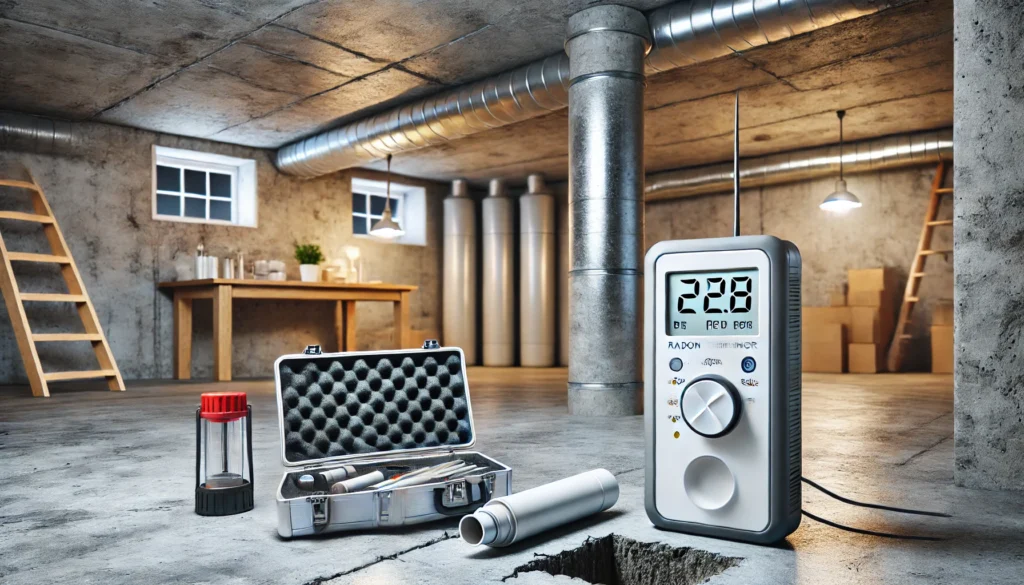
Professional radon testing for an apartment is non-invasive. A certified technician places a measurement device in the lowest livable area of the unit — typically a living room or bedroom — and leaves it undisturbed for 48 to 96 hours. There is no drilling, no equipment installation, and no disruption to daily use of the space.
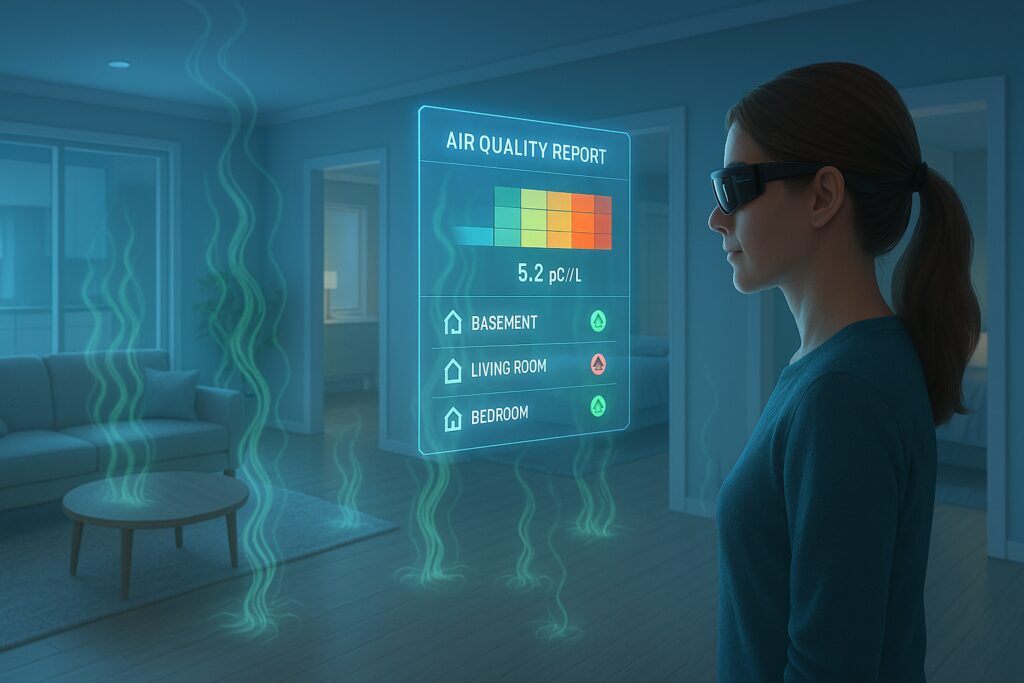
Results are reported in picocuries per liter (pCi/L). The EPA action level is 4.0 pCi/L. At or above this level, radon mitigation is recommended.
Professional testing provides written documentation — something a store-bought kit does not offer. That documentation matters when presenting results to a landlord or property manager as the basis for a mitigation request or lease negotiation.
If Results Come Back Elevated
Elevated radon is a fixable problem. Mitigation typically involves a sub-slab depressurization system that routes radon gas to the exterior of the building before it accumulates inside. Installation is straightforward for most residential structures, and radon levels typically drop significantly within days after a properly installed system is in place.
For a landlord or property owner, mitigation is a one-time investment that protects all current and future tenants. For a renter, it resolves the issue before committing to another term.
If elevated levels are confirmed and the landlord declines to act, you may have standing to negotiate lease terms or, depending on the level and your state’s habitability standards, to exit the lease. A tenant rights organization can advise on specific options available under Georgia or South Carolina law.
Schedule Testing Before You Sign
EnviroPro 360 provides certified radon testing for renters across Augusta, Aiken, Evans, Grovetown, Columbia, and surrounding areas of Georgia and South Carolina. Our inspectors use calibrated, professional-grade equipment and provide written documentation of all results.
If your lease renewal is approaching and the unit has never been tested, that is a gap worth closing before you sign another year. Contact EnviroPro 360 to schedule testing.