EnviroPro 360

December 2025

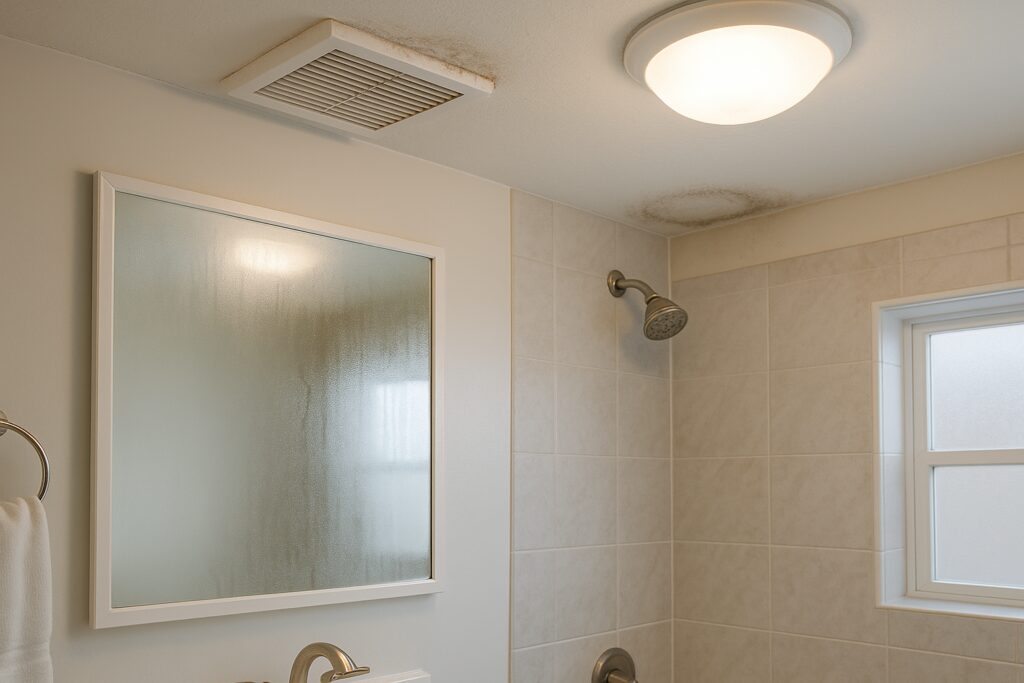
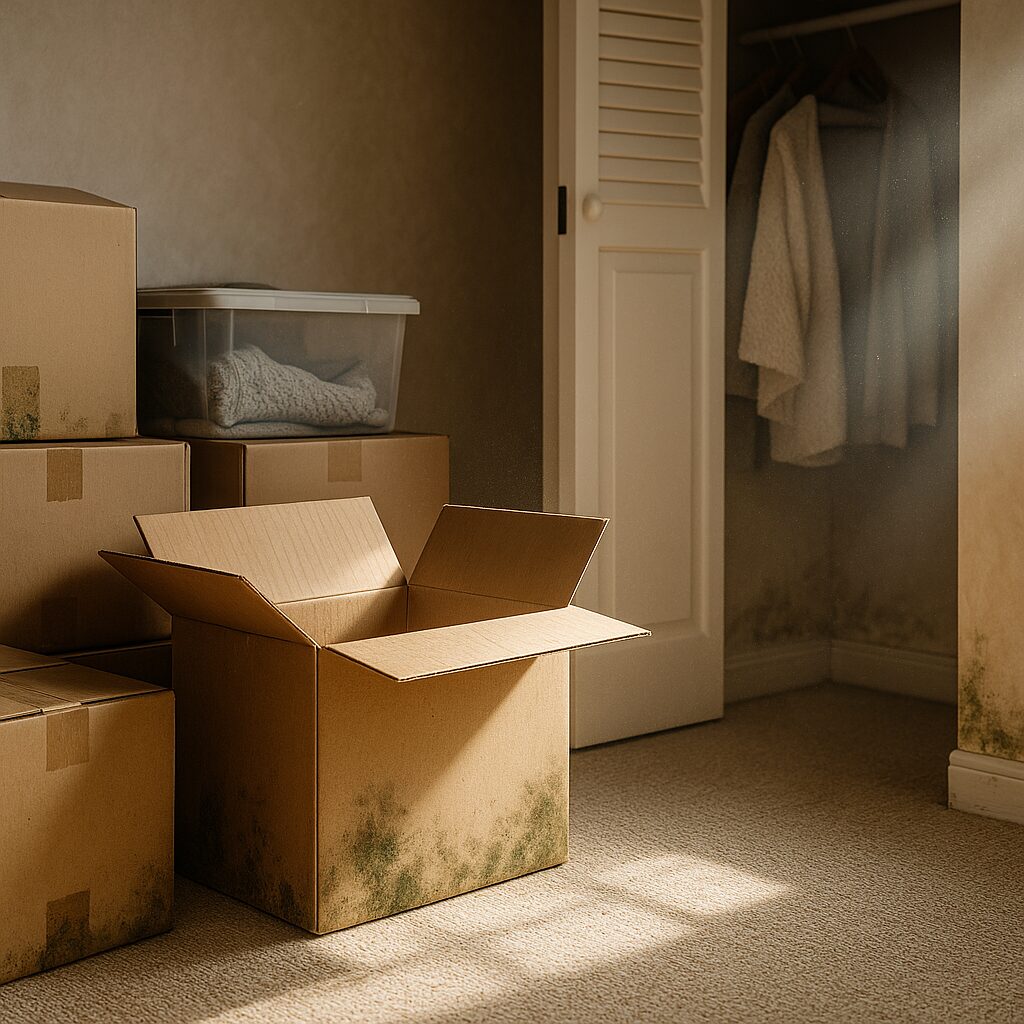
New Year’s cleaning could reveal more than you expect. From musty attics to moldy cardboard boxes, here’s what to look for when decluttering this winter.

Is Your New Year’s Decluttering Revealing Mold?

January is the season of fresh starts. Many homeowners and renters use the post-holiday slowdown to clear out closets, garages, and storage spaces that have gone undisturbed for months. Pulling boxes from corners, moving furniture away from walls, opening bins that sat sealed through fall and winter — that process regularly turns up something no […]

Is Your New Year’s Decluttering Revealing Mold? Read More »
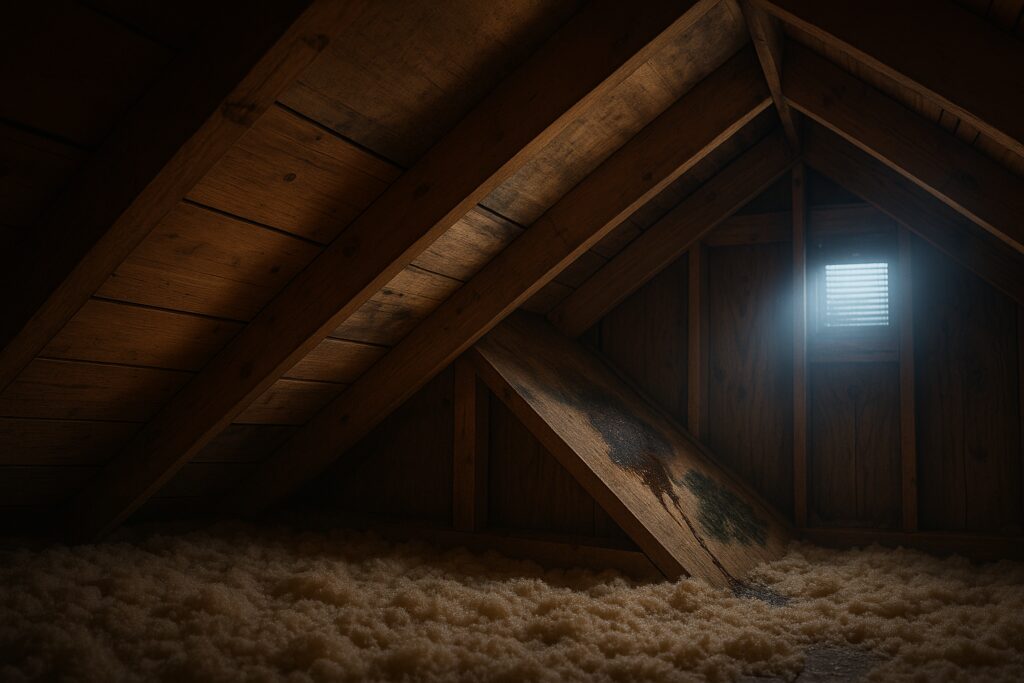
A tiny winter roof leak can become a full-blown mold problem by spring. Here’s how to spot issues early and prevent expensive damage before it spreads.

Winter Roof Leaks Can Lead to Spring Mold—Here’s How to Catch …

In Augusta and the CSRA, winter does not bring the heavy snow or ice that causes dramatic roof failures in northern climates. It brings something harder to detect: sustained rainfall, temperature swings between cold nights and mild afternoons, and the gradual degradation of roof components that allows water to enter slowly and silently into attic

Winter Roof Leaks Can Lead to Spring Mold—Here’s How to Catch … Read More »

Heating season can trap moisture and spores indoors. Learn practical, standards-based steps to prevent mold and protect indoor air quality this winter.

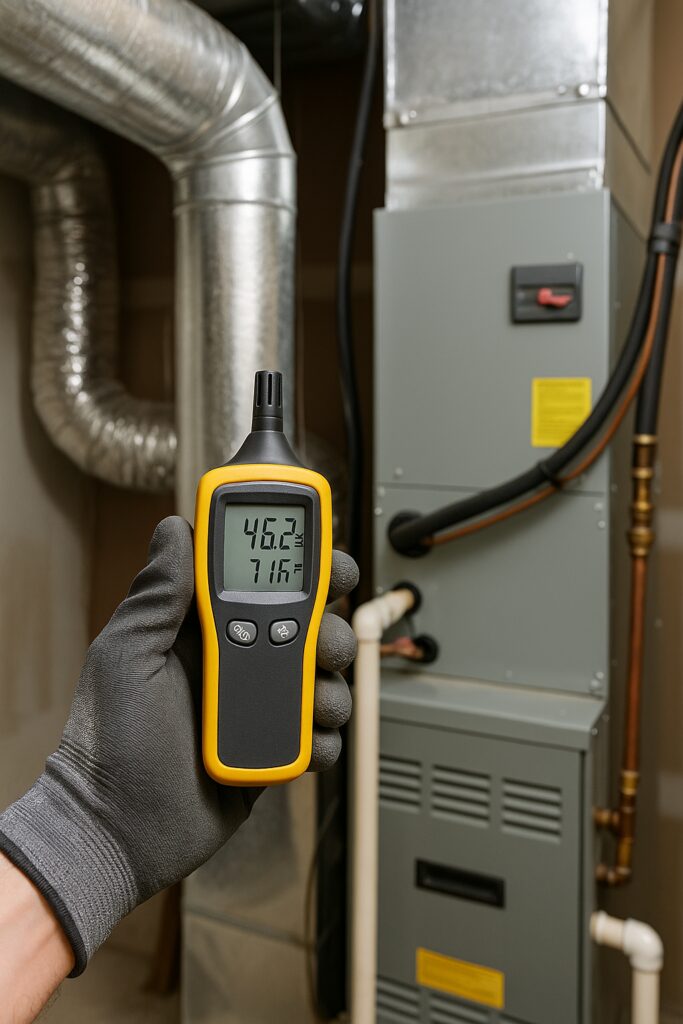
Winter HVAC & Indoor Air Quality: Stop Mold Before It Starts

Why mold risks rise in heating season Winter means closed windows, longer run times for heat, and temperature swings that push indoor moisture to cold surfaces. That combination creates condensation in ductwork, around windows, and inside wall cavities where mold can take hold. The EPA’s core rule of thumb is simple: control moisture, and dry

Winter HVAC & Indoor Air Quality: Stop Mold Before It Starts Read More »

PCR testing for mold is ideal for hospitals and clinics where air quality is critical. Here’s what’s in the nosocomial panel and why proactive testing matters.

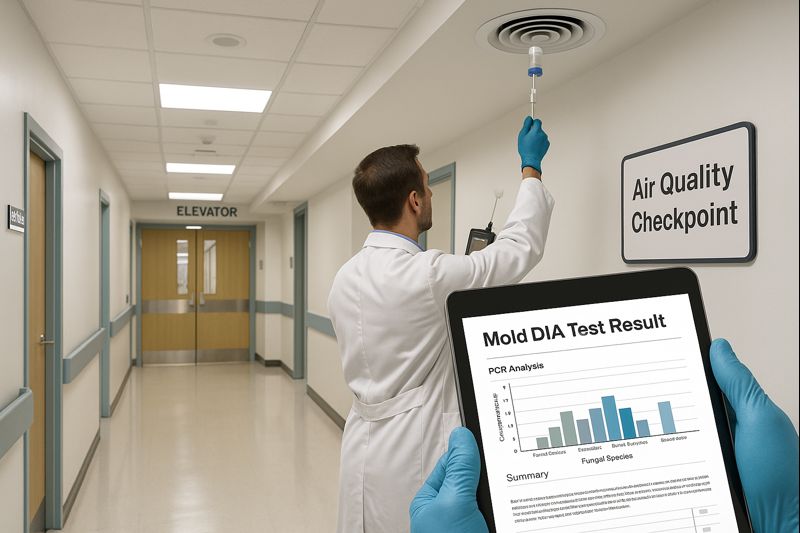
What Is PCR Mold Testing for Hospitals and Healthcare Spaces?

Healthcare environments have occupants with fundamentally different risk profiles than residential buildings. A homeowner with a mold problem has an unpleasant and potentially harmful situation. A hospital or dialysis clinic with an undetected fungal contamination issue has a patient safety emergency. That is the context in which PCR mold testing for healthcare spaces was developed.

What Is PCR Mold Testing for Hospitals and Healthcare Spaces? Read More »

ERMI testing is one of the most advanced mold assessments available. Here’s what it means, how it works, and when to request it for your home or business.

What Is ERMI Testing—and Should You Use It for Mold Detection?

When a standard mold air test or visual inspection does not fully explain why someone keeps having respiratory symptoms in their Augusta home, or why a property smells musty even after cleaning, ERMI testing can provide a more complete picture of what has accumulated in the indoor environment over time. ERMI stands for Environmental Relative

What Is ERMI Testing—and Should You Use It for Mold Detection? Read More »

Before any demo or renovation, a certified asbestos survey is required. Use this practical checklist to plan, notify, and document work in Georgia and South Carolina.

Pre-Renovation Asbestos Survey Checklist for Property Managers in …

A property manager in Augusta schedules a contractor to renovate three units in a 1968 apartment building. The contractor starts demoing the bathroom tile on day one. On day two, the property manager gets a call — the material contains asbestos. The contractor walks off the job. The units are contaminated. Tenants can’t return. State

Pre-Renovation Asbestos Survey Checklist for Property Managers in … Read More »

Winter can trap radon indoors. Learn why levels rise, how to test correctly, and what Georgia and South Carolina homeowners should do if results are high.

Winter Radon Testing Guide for Georgia & South Carolina: Why …

Why radon matters more in winter Radon is a colorless, odorless radioactive gas that seeps from soil into buildings. The EPA and the Surgeon General estimate radon contributes to about 21,000 lung cancer deaths in the U.S. each year, which makes it a major indoor air risk for both smokers and non-smokers. The CDC also

Winter Radon Testing Guide for Georgia & South Carolina: Why … Read More »

Scroll to Top