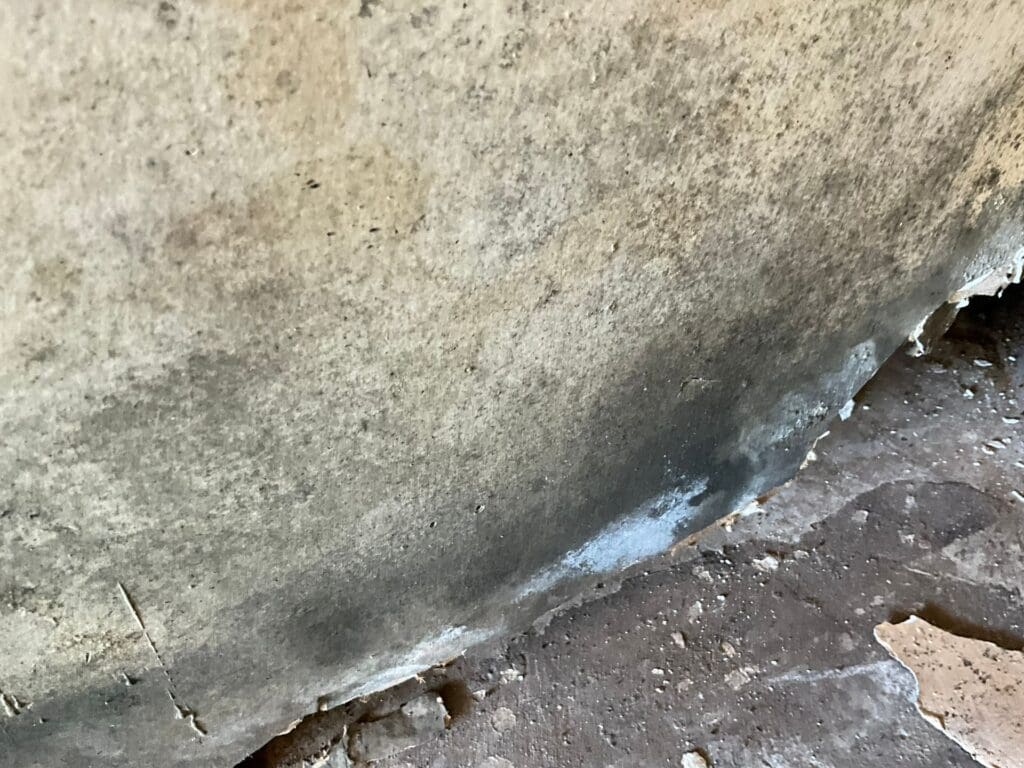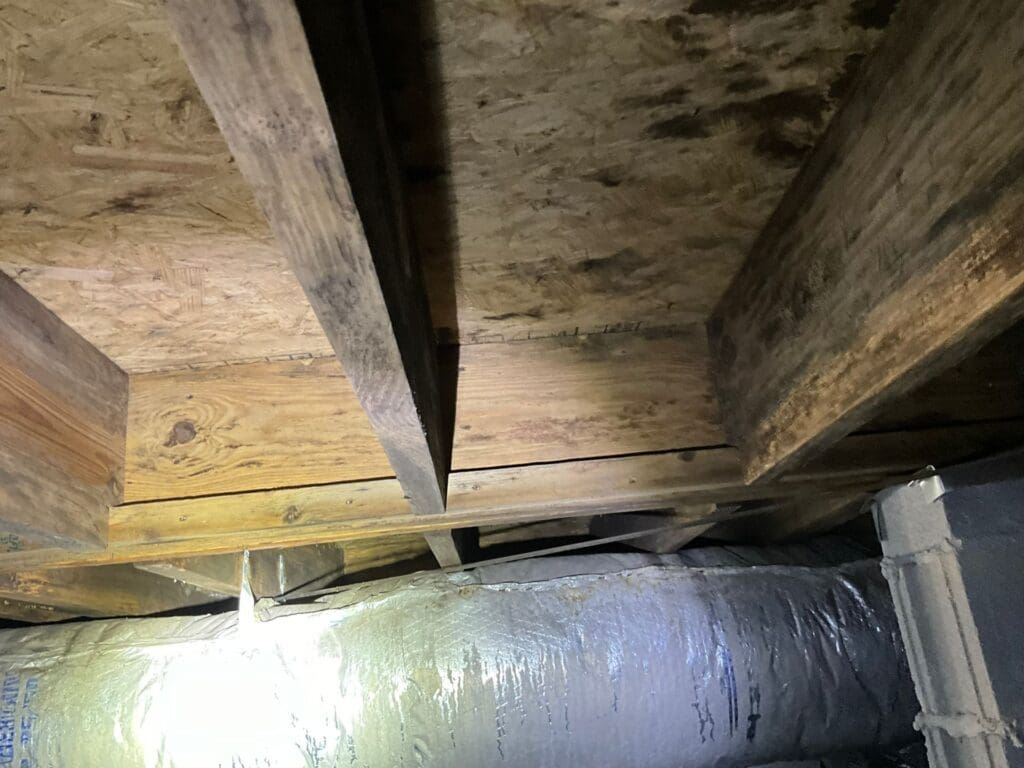
Healthcare environments have occupants with fundamentally different risk profiles than residential buildings. A homeowner with a mold problem has an unpleasant and potentially harmful situation. A hospital or dialysis clinic with an undetected fungal contamination issue has a patient safety emergency.
That is the context in which PCR mold testing for healthcare spaces was developed. Where standard air cassette sampling may miss low-level contamination or fail to identify specific pathogenic species, PCR-based analysis provides the sensitivity and species identification that infection control programs in medical settings require.
What PCR Mold Testing Is
PCR stands for Polymerase Chain Reaction, a molecular biology technique that detects and amplifies DNA. In environmental mold testing, PCR identifies the presence of specific fungal DNA in air, dust, or surface samples, even in quantities too small to appear on traditional culture plates or spore trap cassettes.
The Comprehensive Nosocomial Panel is the PCR-based mold test designed specifically for healthcare environments. “Nosocomial” refers to infections acquired in healthcare settings. The panel targets the fungal species and genera most commonly associated with hospital-acquired infections and healthcare-related air quality events, including:
- Aspergillus species — the most common cause of invasive fungal infections in immunocompromised patients, particularly in oncology and transplant units
- Fusarium species — increasingly recognized as a cause of healthcare-associated fungal infections, particularly after construction and renovation events
- Penicillium species — common water-damage molds with elevated significance in patients with suppressed immune systems
- Mucor and Rhizopus species — associated with mucormycosis, a rapidly progressive fungal infection in high-risk patients
- Alternaria and Cladosporium species — common allergenic molds with significance in asthma-sensitive patient populations
The CDC recognizes Aspergillus and related fungal pathogens as significant sources of morbidity in immunocompromised hospital patients, and identifies construction activity, water damage, and ventilation system issues as the primary environmental drivers of healthcare-associated fungal outbreaks.
Why Standard Mold Testing Is Not Sufficient for Healthcare Facilities
Standard spore trap air sampling captures what is airborne at one moment and identifies spores by morphology (shape and size) rather than DNA. This limits both sensitivity and specificity. It can misidentify closely related species and has limited ability to detect early-stage contamination before spore concentrations reach visible levels.
In healthcare settings, this limitation is clinically significant. A low-level Aspergillus contamination that would appear below detection thresholds in a standard air sample can represent a serious risk to a patient recovering from bone marrow transplantation. PCR-based analysis detects fungal DNA at concentrations orders of magnitude lower than traditional methods and provides species-level identification that informs specific clinical risk assessment.
The EPA recommends that facilities with known or suspected moisture issues investigate thoroughly. For healthcare environments, thorough investigation means using the most sensitive available methodology rather than stopping at a visual inspection or basic air cassette test.
When Healthcare Facilities Should Schedule PCR Mold Testing
- During or after construction or renovation within or adjacent to the facility, which is the most common trigger for nosocomial fungal outbreaks as disturbed building materials release spores into air handling systems
- After any water intrusion event, including roof leaks, plumbing failures, HVAC condensate issues, or localized flooding
- When infection control surveillance identifies a cluster of fungal infections among patients that suggests a possible common environmental source
- As part of routine air quality monitoring for high-risk units including oncology, hematology, transplant, and neonatal intensive care units
- During facility accreditation preparation when documenting environmental controls is part of the review
- Before opening new or renovated patient care areas to confirm that construction-related contamination has been resolved
Healthcare Facilities EnviroPro 360 Serves in the CSRA
Augusta and the surrounding region have a significant healthcare infrastructure, including major medical centers, rehabilitation facilities, dialysis clinics, assisted living communities, outpatient surgical centers, and specialty practices across Evans, Grovetown, North Augusta, and Aiken.
Each of these settings has different air quality monitoring needs and different patient risk profiles. EnviroPro 360 works with facility administrators, infection control professionals, and environmental health officers to design testing protocols appropriate to the specific facility type and patient population.
Our PCR mold testing services for healthcare include:
- Air sampling in patient care areas, corridors, air handling units, and construction-adjacent zones
- Surface sampling from HVAC components, ceiling tiles, and materials that may harbor fungal growth
- Comprehensive Nosocomial Panel analysis through AIHA-accredited laboratories
- Post-remediation verification testing to document that construction or water damage remediation met safety thresholds before patient areas reopen
- Written reports formatted for infection control records and accreditation documentation
EnviroPro 360 inspectors hold IICRC mold certifications and IAC2 indoor air quality consultant credentials, and are familiar with the confidentiality and operational sensitivity requirements of healthcare environments.
Schedule PCR Mold Testing for Your Facility
If you manage a healthcare facility in Augusta, Evans, North Augusta, Aiken, or anywhere in the CSRA and need air quality documentation, post-construction clearance testing, or routine nosocomial mold monitoring, contact EnviroPro 360 to discuss your facility’s requirements. We provide mold testing and indoor air quality services with the documentation standards that healthcare environments require.