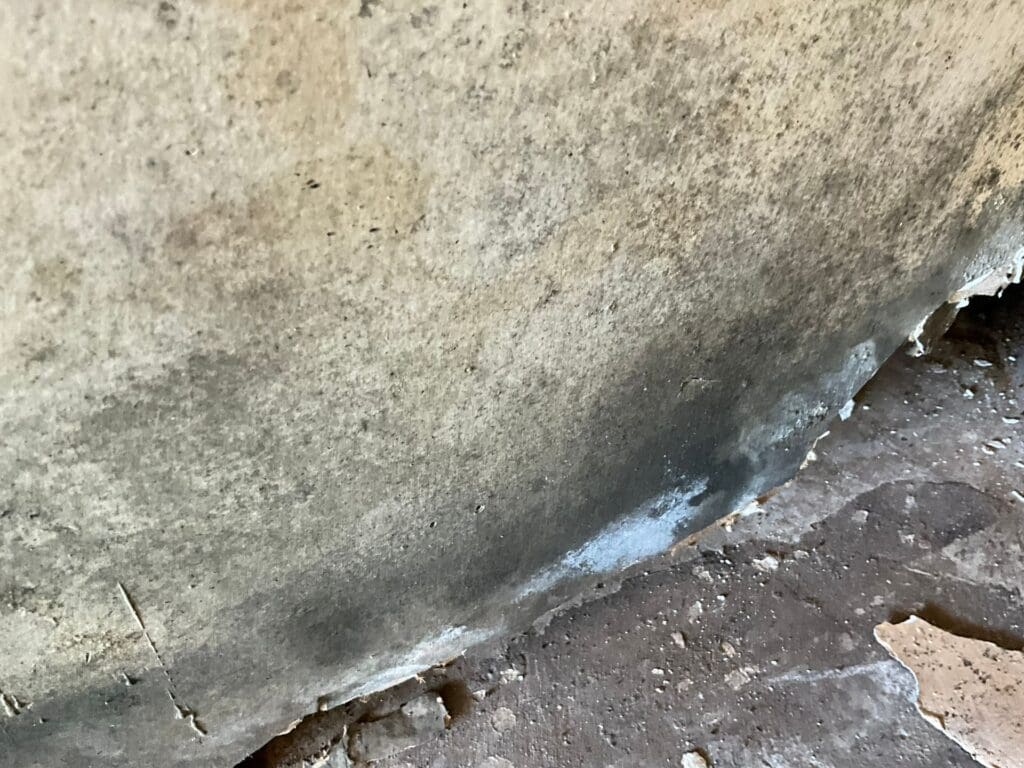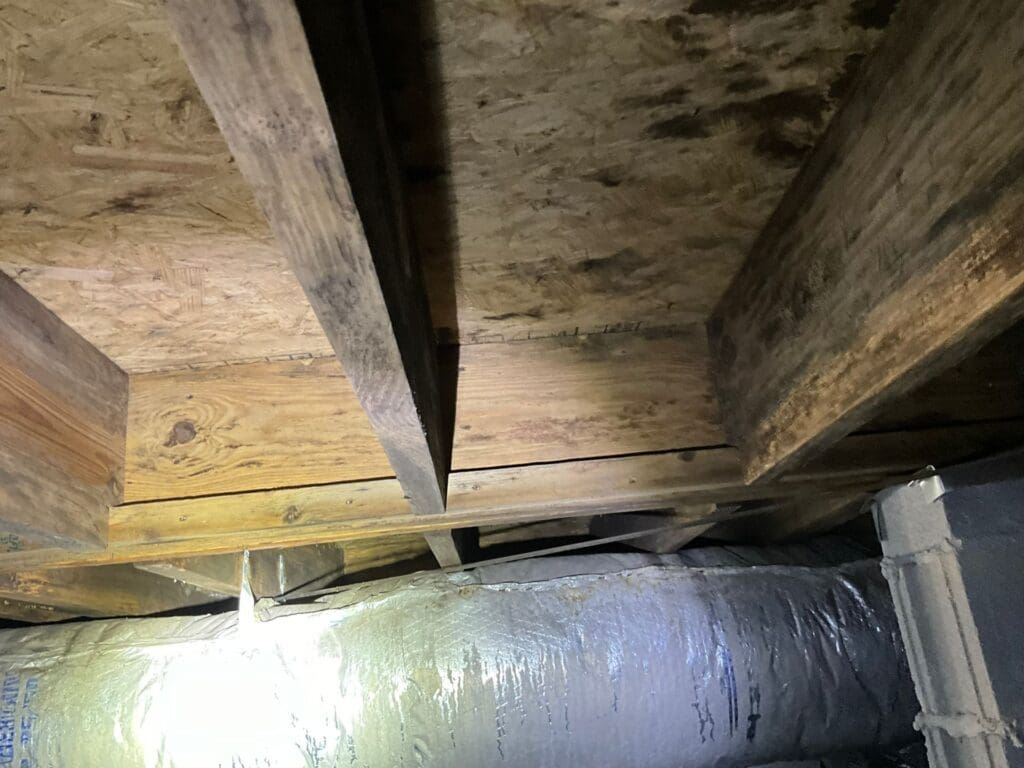
When a home buyer in Evans completes due diligence on a property with a crawl space and wants a quick, documented baseline on mold conditions before closing, a full 36-species ERMI analysis may not be necessary. What they may need is a streamlined, lab-backed answer: is the overall mold burden in this home elevated compared to typical homes, and are any water-damage-associated species present?
That is the role ARMI testing fills. Understanding the difference between ARMI and ERMI helps you choose the right test for your situation rather than over- or under-investing in the question you are actually trying to answer.
What ARMI Testing Is
ARMI stands for American Relative Moldiness Index. It was developed by researchers working with the U.S. Department of Housing and Urban Development (HUD) as a streamlined alternative to the full ERMI panel for evaluating indoor mold burden in residential settings.
Like ERMI, ARMI uses MSQPCR (mold-specific quantitative polymerase chain reaction) technology, which detects mold DNA in settled dust samples collected from the home. This DNA-based method is more sensitive than traditional spore trap air sampling and captures the cumulative mold history of a space rather than a single air snapshot.
The key difference is scope. While ERMI analyzes 36 specific mold species, ARMI focuses on 13 core species most consistently associated with water-damaged buildings and indoor health concerns. Those 13 species are divided into two groups:
- Group A: Species strongly associated with water-damaged environments, including Stachybotrys chartarum, Chaetomium globosum, and several Aspergillus and Penicillium species linked to indoor moisture problems
- Group B: Species commonly found in indoor environments regardless of moisture conditions, which serve as a baseline comparator
The ARMI score is calculated from these two groups. A higher score indicates a greater deviation from typical indoor mold levels, suggesting a history of moisture problems or active mold growth. According to the CDC, mold exposure risks are elevated for people with asthma, allergies, or weakened immune systems, making a documented baseline particularly valuable for households with vulnerable occupants.
ARMI vs. ERMI: Which Is Right for Your Situation?
| Feature | ERMI | ARMI |
|---|---|---|
| Mold species analyzed | 36 (26 water-damage, 10 background) | 13 (simplified water-damage set) |
| Developed by | U.S. EPA | HUD-affiliated researchers |
| Testing method | MSQPCR on settled dust | MSQPCR on settled dust |
| Best use case | Detailed investigation, legal documentation, post-remediation | Screening, pre-purchase, routine monitoring |
| Relative cost | Higher | Lower |
Both tests use the same collection method and lab technology. The distinction is in the breadth of the panel and the purpose the results serve.
When ARMI Is the Right Choice
ARMI is well-suited for situations where the goal is a cost-effective answer to whether the overall mold burden is elevated, rather than a comprehensive species inventory:
- Pre-purchase screening of a home, particularly one with a crawl space, attic with past ventilation issues, or any history of water events
- Routine baseline testing for rental property owners who want documented mold status between tenants
- Initial screening after a minor water event to determine whether full ERMI or air sampling is warranted
- Post-remediation follow-up when a prior ARMI test established the baseline and simple confirmation of improvement is the goal
In Augusta and the CSRA, the combination of high summer humidity, prevalent crawl space construction, and aging housing stock in neighborhoods from Grovetown to Hephzibah means baseline mold screening is a practical step before buying, before renting to new tenants, or after any period of vacancy in a property.
When ERMI Is the Better Fit
The full ERMI panel is the stronger choice when:
- A property has experienced significant documented water damage and comprehensive species identification is needed for remediation planning
- Results will be used for legal documentation, insurance claims, or medical documentation for a physician
- Symptoms are severe or involve an immunocompromised household member where detailed species data influences clinical decisions
- Prior ARMI results were elevated and deeper characterization is needed before proceeding
How the Test Is Performed
Both ARMI and ERMI use a standardized dust collection process. A trained inspector collects settled dust from specific surfaces in the home using a vacuum sampling method with a certified collection cassette. The sample is sealed and sent to an AIHA-accredited laboratory where MSQPCR analysis is performed. Results are returned as a scored index with species-level detail, interpreted against national reference databases.
EnviroPro 360 follows strict dust collection protocols for both ARMI and ERMI sampling, partnering with AIHA-accredited labs to ensure chain of custody and result reliability.
Schedule ARMI or ERMI Testing in the CSRA
EnviroPro 360 provides ARMI and ERMI testing for homeowners, property managers, and real estate buyers across Augusta, Evans, Martinez, North Augusta, Grovetown, Aiken, and surrounding CSRA communities. If you are unsure whether ARMI or ERMI is the right test for your situation, contact us to discuss your property history and documentation needs. We will recommend the appropriate testing approach based on your specific circumstances.