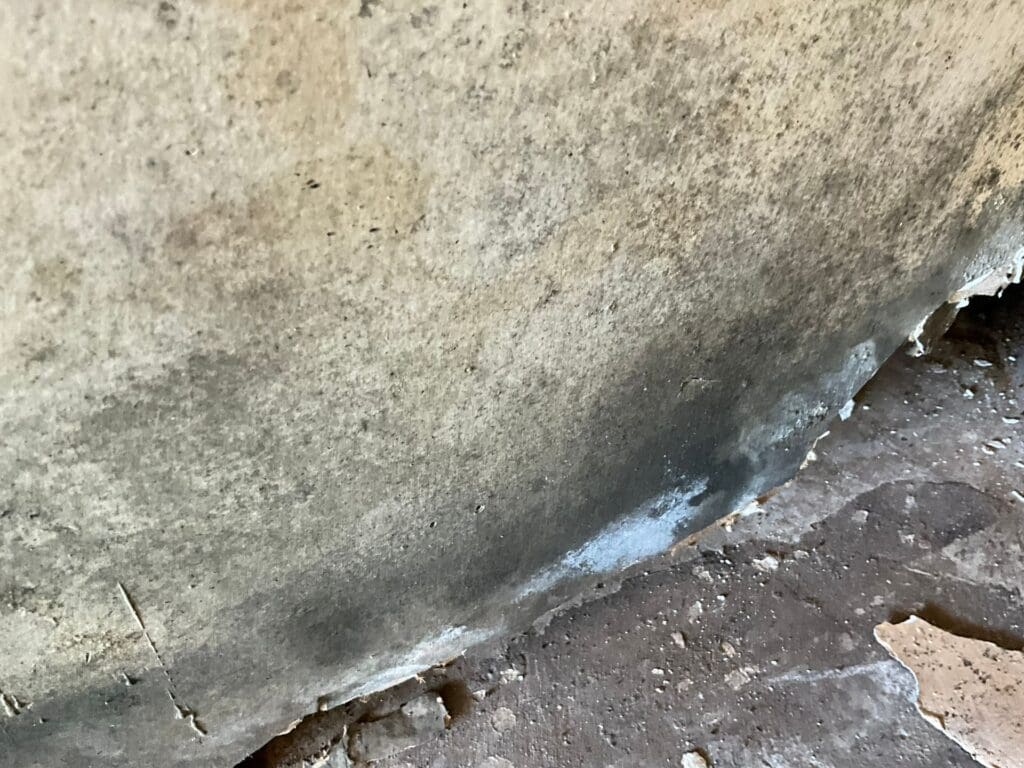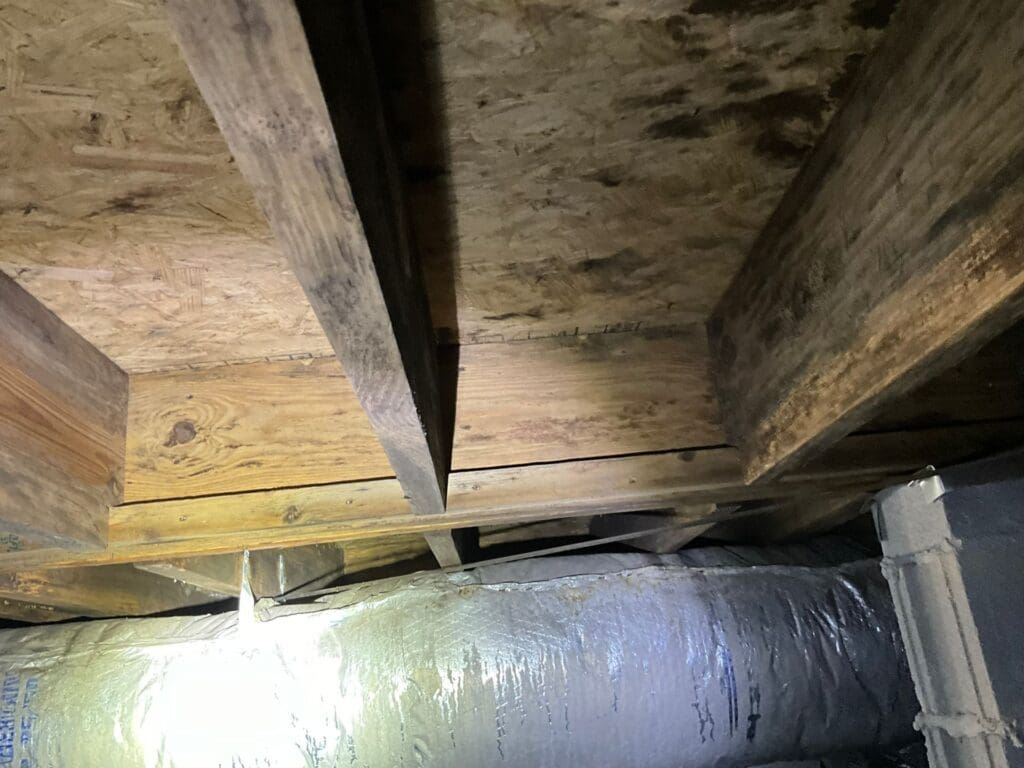
When a standard mold air test or visual inspection does not fully explain why someone keeps having respiratory symptoms in their Augusta home, or why a property smells musty even after cleaning, ERMI testing can provide a more complete picture of what has accumulated in the indoor environment over time.
ERMI stands for Environmental Relative Moldiness Index. It was developed by the U.S. EPA as a scientific method to evaluate the mold burden in homes, particularly those that have experienced water damage, using DNA-based analysis of settled dust rather than a single air sampling moment.
How ERMI Was Developed and Why It Matters
The EPA created ERMI as part of research into the relationship between indoor mold exposure and respiratory health outcomes. It was designed to give a quantified, comparable measure of mold burden rather than a simple present-or-absent determination. You can read more about ERMI directly from the EPA’s ERMI overview.
The core technology is MSQPCR (mold-specific quantitative polymerase chain reaction), a molecular biology technique that detects and quantifies mold DNA in dust samples. This approach is more sensitive than traditional culture-based testing or air cassette spore traps, and it captures the cumulative mold history of a space because settled dust reflects what has been present over months or years, not just at the moment of collection.
What ERMI Measures
ERMI analyzes 36 specific mold species, divided into two groups:
- Group 1 (26 species): Species associated with water-damaged buildings, including Stachybotrys chartarum, Chaetomium globosum, Cladosporium sphaerospermum, and multiple Aspergillus and Penicillium species linked to indoor moisture problems
- Group 2 (10 species): Species commonly found in all indoor environments regardless of moisture conditions, which serve as a background reference
The ERMI score is calculated by subtracting the Group 2 total from the Group 1 total. A higher positive score indicates a mold community dominated by water-damage-associated species, which is a meaningful indicator of historical or ongoing moisture problems in the structure.
ERMI scores are benchmarked against a national reference database, allowing your home’s results to be compared against typical conditions across U.S. housing stock. According to the CDC, people with asthma, allergies, or weakened immune systems face elevated health risks from indoor mold exposure, and the species-level detail ERMI provides is particularly relevant for households with vulnerable occupants.
When ERMI Testing Is the Right Choice
ERMI is not necessary for every mold question. It is most valuable when:
- A property has experienced significant water damage and a comprehensive species record is needed for remediation planning or insurance documentation
- Respiratory or health symptoms persist despite prior testing showing no obvious air quality issues, and a deeper historical picture of mold presence is needed
- A physician has requested detailed mold exposure documentation to inform treatment decisions for a patient with asthma, chronic sinusitis, or immune system conditions
- Multiple prior tests have produced conflicting or inconclusive results
- Post-remediation verification is needed at a level of detail beyond standard air sampling, particularly for properties with a complex contamination history
- Legal or insurance claims require the most comprehensive and defensible mold burden documentation available
In Augusta and the CSRA, ERMI is frequently relevant for older homes with decades of humidity exposure, properties with repeated plumbing leaks, or crawl space conditions where water intrusion has been chronic. The region’s high summer humidity and vented crawl space construction create mold conditions that can accumulate in building materials well below what visual inspection or standard air sampling can detect.
ERMI vs. Standard Mold Air Testing
Standard air sampling using spore trap cassettes captures what is airborne at one moment. ERMI captures what has accumulated in settled dust over time. These are complementary, not competing approaches.
A standard air sample may miss mold that is not currently releasing spores, such as dormant colonies in a crawl space not being actively disturbed. ERMI can detect DNA from species that have been present and shedding into the environment for months, even if current airborne levels are low. For this reason, ERMI is often recommended as a follow-up to standard testing when initial results are inconclusive but concerns persist.
How the Collection Process Works
ERMI collection involves vacuuming settled dust from specific surfaces in the home using a certified sampling cassette and standardized protocol. The sample is sealed, assigned a chain of custody number, and sent to an AIHA-accredited laboratory for MSQPCR analysis. Results are returned as an ERMI score with species-level quantification, typically within several business days.
Proper collection technique is critical to accurate results. EnviroPro 360 follows strict EPA dust collection protocols and partners with AIHA-accredited labs to ensure that results are reliable and defensible for any use case.
Schedule ERMI Testing in Augusta and the CSRA
EnviroPro 360 provides ERMI testing for homeowners, landlords, property managers, and documentation needs across Augusta, Evans, Martinez, North Augusta, Grovetown, Aiken, and surrounding CSRA communities. If you are unsure whether standard mold assessment or ERMI is the right approach for your situation, contact us to discuss your property history and concerns. We will recommend the testing approach that best matches the question you are trying to answer.