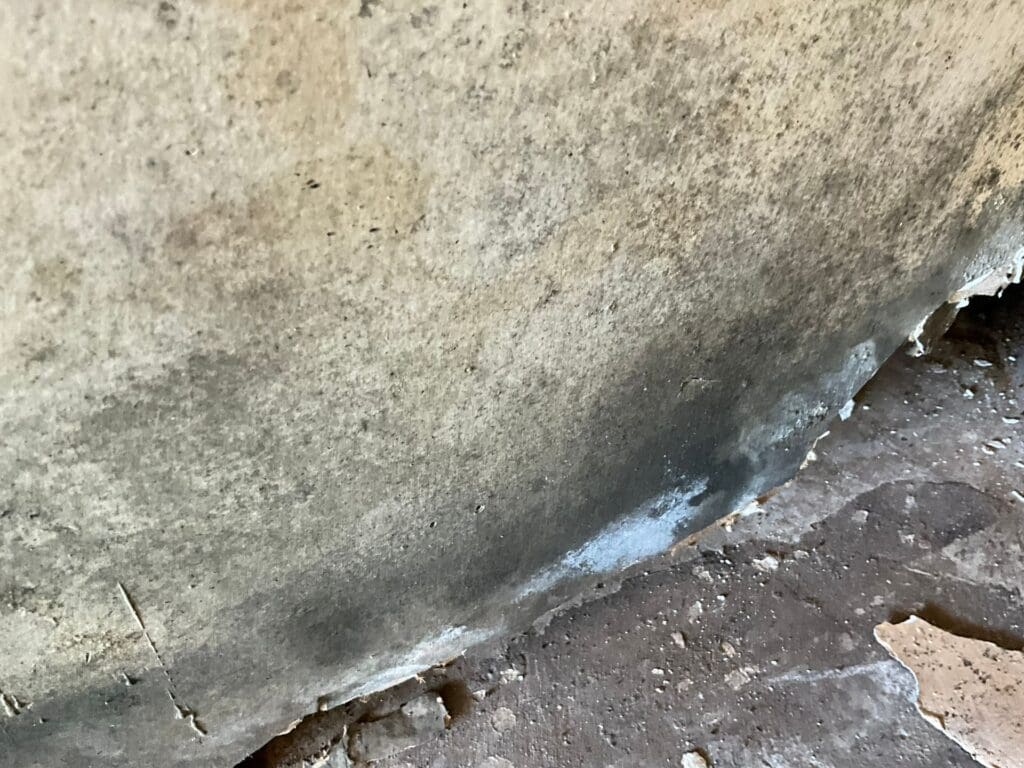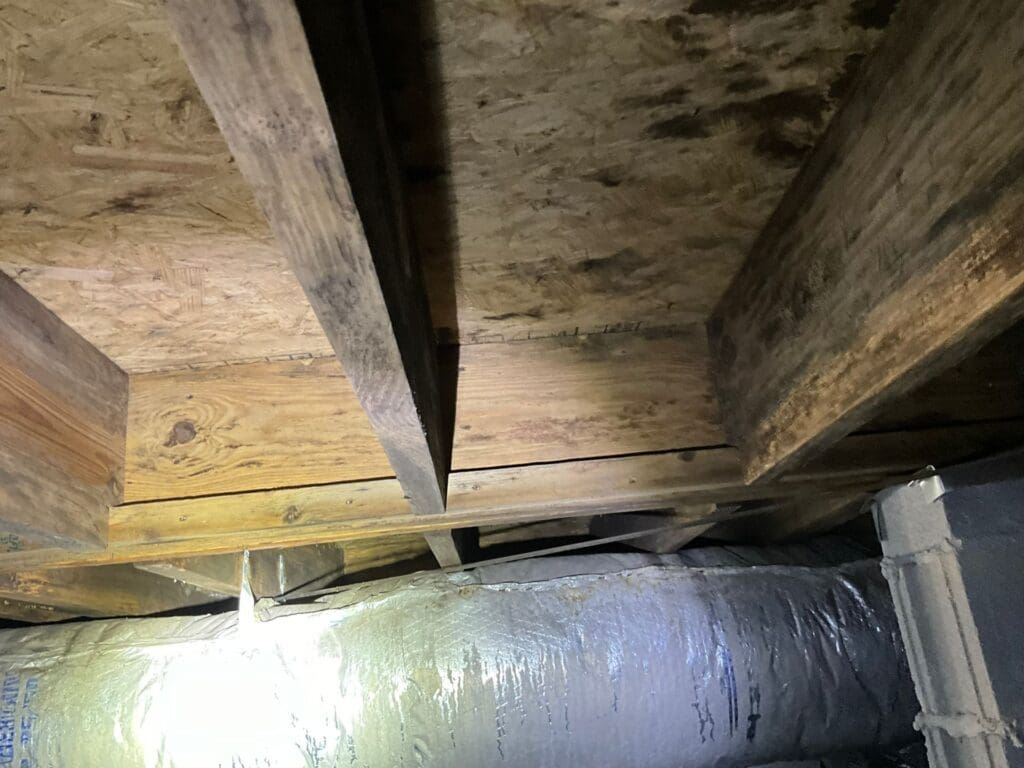
Portable and whole-house humidifiers are common in Augusta and CSRA homes during winter, when forced-air heating systems reduce indoor relative humidity and occupants experience dry skin and irritated sinuses. Used correctly, a humidifier improves comfort. Used incorrectly or infrequently cleaned, it introduces a reliable moisture source for indoor mold growth in the very rooms where occupants spend the most time.
The problem is not the device itself. It is that most homeowners do not monitor indoor humidity after installing a humidifier, and some units raise relative humidity in a room well above the threshold at which mold establishes on nearby building materials.
How Humidifiers Create Mold Conditions
According to the EPA, indoor relative humidity should be maintained below 60 percent to prevent mold growth, with 30 to 50 percent recommended for occupied spaces. A portable humidifier running in a small bedroom or home office can raise localized relative humidity above that threshold within hours, particularly if the room has limited air exchange and the unit runs continuously overnight.
Once surface materials near the humidifier reach elevated moisture content, common species including Cladosporium, Penicillium, and Aspergillus can begin colonizing within 24 to 48 hours under warm indoor temperatures. These species are associated with the same respiratory health effects as other indoor molds, and elevated concentrations can develop in the walls and floors of a humidified room without the homeowner attributing the problem to the humidifier.
The Tank Contamination Problem
The water reservoir in a portable humidifier is a standing water environment that supports bacterial and mold growth without regular cleaning. Warm-mist units that boil water before dispersing it kill most microorganisms in the process. Cool-mist and ultrasonic humidifiers disperse unheated water droplets directly into the air, including any bacteria, mold, or mineral particulate present in the tank.
When tap water is used rather than distilled, mineral deposits accumulate in the tank and on the mist outlet and provide a secondary substrate for biofilm. Slime or discoloration inside the tank after several days of use indicates that microbial growth has begun. That material is then dispersed with each misting cycle into the breathing zone of sleeping or working occupants.
Signs a Humidifier May Be Contributing to Mold Growth
- A musty or earthy odor in the humidified room, particularly near the unit or along baseboards and window frames
- Visible condensation forming on window glass or on walls near the humidifier
- White dust deposits on surfaces near the unit, indicating mineral dispersal from tap water
- Visible slime, discoloration, or biofilm inside the water tank
- Worsening respiratory symptoms in occupants of the room that improve when the unit is turned off for several days
Where Excess Humidifier Moisture Deposits
Moisture dispersed by a humidifier does not stay suspended indefinitely. It deposits on the nearest cool surfaces:
- Window sills and the wall area beneath windows, where condensation from glass runs down and saturates paint and drywall over repeated cycles
- Baseboards and floor-wall junctions on exterior walls where the indoor-outdoor temperature differential is greatest in winter
- Underneath rugs, mattresses, or carpet in the humidified room where moisture settles and cannot evaporate freely
- Inside HVAC supply ducts if the humidifier is located near a return air vent, which draws humidified air into the duct system and deposits moisture on interior duct surfaces
Health Effects of Humidifier-Associated Mold Exposure
According to the CDC, mold exposure causes nasal and throat irritation, coughing, wheezing, and worsened asthma symptoms. Cool-mist and ultrasonic humidifiers that disperse contaminated water have also been associated with humidifier lung, an inflammatory condition caused by inhaled bioaerosols from contaminated units. For occupants who run a humidifier in a bedroom overnight, cumulative exposure during sleep is meaningful even at concentrations that would not immediately cause noticeable symptoms during brief daytime exposure.
Children, individuals with asthma, and immunocompromised occupants are more susceptible to health effects at lower spore concentrations than otherwise healthy adults. A bedroom humidifier that runs nightly for months in a CSRA home represents ongoing cumulative exposure for these higher-risk occupants.
Maintenance Practices That Reduce Risk
- Use distilled water rather than tap water to prevent mineral buildup and white dust dispersal into the breathing zone
- Clean and disinfect the tank every three to four days following the manufacturer protocol and allow the unit to dry completely between fill cycles
- Use a hygrometer to monitor actual room humidity and maintain levels between 40 and 50 percent; turn off the unit when levels approach 55 percent
- Avoid placing the humidifier against walls or near curtains and upholstered furniture where mist deposits on fabric and organic materials
- Position the unit away from return air vents to prevent humidified air from entering the duct system
When Professional Air Quality Testing Is Appropriate
Professional assessment is warranted when:
- A musty odor in the humidified room persists after cleaning the unit and reducing humidity output
- Visible discoloration or staining has developed on walls, baseboards, or beneath windows in the room
- Occupants are experiencing respiratory symptoms that are not explained by seasonal allergies or a current illness
- A humidifier has been running in a room with a history of prior moisture problems or visible mold
EnviroPro 360 provides certified mold inspections and indoor air quality assessments throughout Augusta, Evans, Aiken, and the CSRA. We use air sampling with AIHA-accredited laboratory analysis to quantify spore concentrations, moisture metering to identify elevated material moisture content in walls and flooring near the affected area, and thermal imaging to locate condensation zones inside wall assemblies. Our reports provide specific findings with identified growth locations rather than general observations.
EnviroPro 360 is an independent testing company. We assess and document conditions. A licensed contractor addresses any physical remediation. This separation keeps our findings objective and our clearance testing unbiased.
If a humidified room in your home has developed a musty odor or occupants are experiencing unexplained respiratory symptoms, schedule a certified indoor air quality assessment with EnviroPro 360. Contact us to arrange testing for your Augusta or CSRA home.