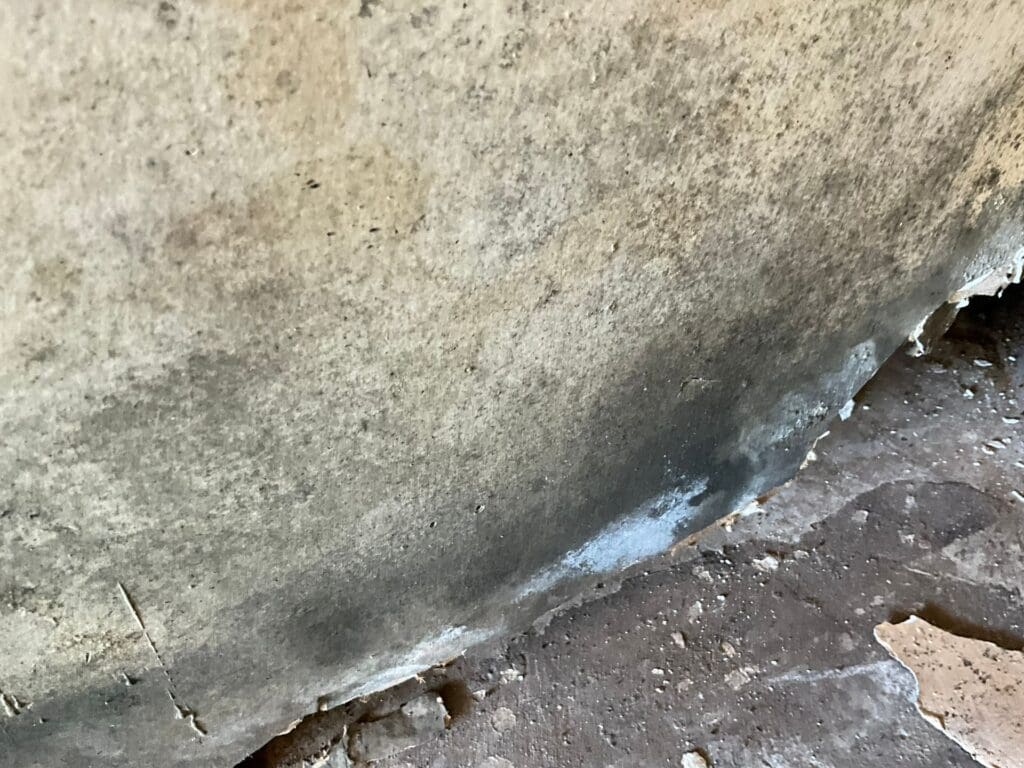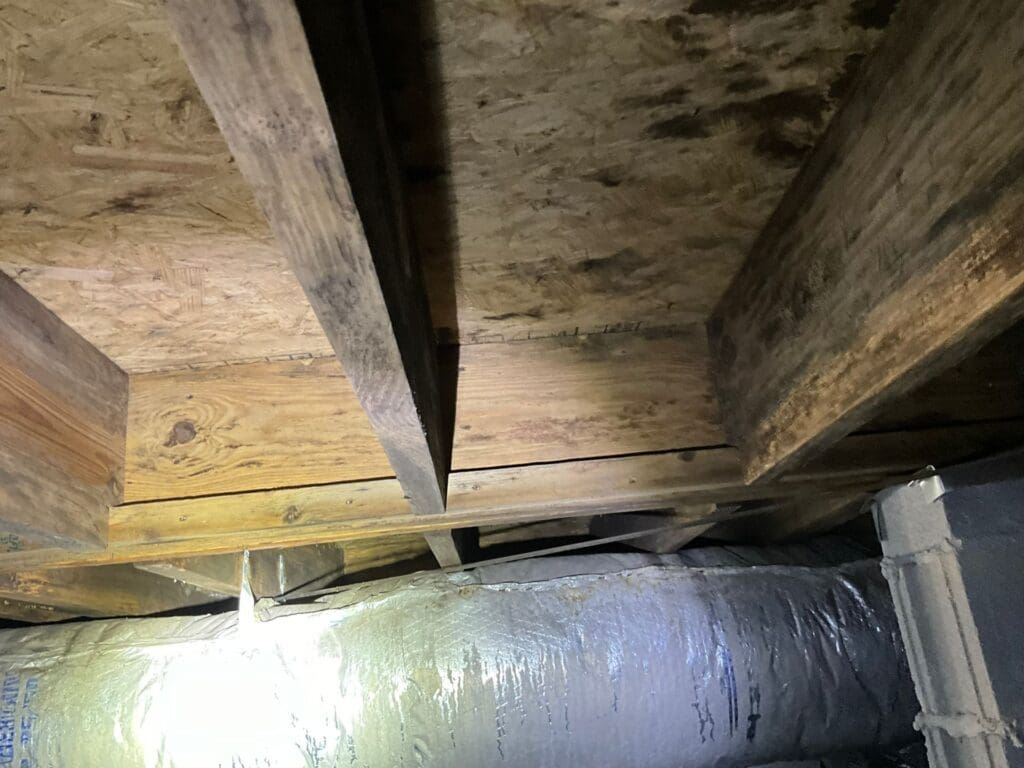
A tenant leasing office space in a multi-suite building in Augusta noticed a musty smell near the shared HVAC return vent and reported it to the property manager, who directed the tenant to their own commercial lease and pointed out language stating the tenant was responsible for maintaining “the interior of the leased premises.” The tenant, in turn, pointed out that the vent in question served the building’s shared rooftop unit, not anything installed inside their suite. Both were partially right, and the disagreement sat unresolved for weeks while the smell got worse.
This kind of standoff is common in multi-tenant commercial buildings, and it usually comes down to one question that a written lease doesn’t always answer clearly: where is the mold actually located, and what caused it.
Why This Gets Complicated in Commercial Leases
Residential landlord-tenant law in Georgia and South Carolina includes an implied warranty of habitability that generally puts responsibility for structural and systems issues, including mold caused by building defects, on the landlord. Commercial leases don’t work the same way. Commercial tenants are presumed to be sophisticated parties who negotiated their own terms, and courts generally hold commercial leases to what’s actually written in the document rather than filling gaps with tenant-protective default rules.
That means responsibility for mold testing and remediation in a commercial multi-tenant building depends heavily on lease language that varies from building to building, and often from suite to suite within the same building if leases were signed at different times or negotiated differently.
The Distinctions That Usually Matter
Common areas versus leased premises. Lobbies, shared hallways, shared restrooms, and shared mechanical rooms are typically the landlord’s responsibility to maintain, including addressing mold. The interior of a tenant’s specific leased suite is often the tenant’s responsibility under a standard commercial lease, at least for day-to-day maintenance.
Shared systems versus tenant-specific systems. A rooftop HVAC unit serving multiple suites through a shared duct system is a building system, and problems originating there (including moisture buildup that leads to mold in the ductwork itself) usually fall to the landlord to address, even though the resulting mold shows up inside a tenant’s space. A window unit or supplemental system installed by the tenant is a different story.
Structural versus tenant-caused moisture. Mold caused by a roof leak, failed exterior waterproofing, or a plumbing failure in a wall the landlord is responsible for maintaining typically falls on the landlord. Mold caused by a tenant’s own activity, such as poor ventilation from equipment the tenant installed or spills the tenant failed to clean up, is more likely to fall on the tenant.
What the specific lease says. Many commercial leases include explicit language about mold, moisture, and indoor air quality responsibility, sometimes shifting responsibility in ways that don’t track the general categories above. The lease language controls, which is why reading it before a dispute happens matters more in commercial settings than it does in most residential ones.
Why Testing Should Happen Before the Argument, Not After
When a mold dispute starts with “whose fault is this,” the conversation tends to stall because nobody has independent documentation of what’s actually there, where it’s located, or what’s causing it. Third-party testing changes the conversation from an argument about assumptions to a discussion about findings.
For property managers overseeing multi-tenant buildings, having testing done at the first report of a musty smell or visible growth, before determining fault, accomplishes a few things: it identifies the actual location and likely source, which often clarifies the lease responsibility question on its own; it creates a documented timeline in case remediation costs or lease disputes come up later; and it prevents a suspected problem from sitting unaddressed while responsibility gets argued over, which typically makes the underlying moisture problem worse.
The EPA’s guidance on mold in commercial buildings notes that prompt investigation and moisture control are the most effective response regardless of how remediation costs eventually get allocated. Delay driven by a responsibility dispute works against that guidance.
What This Looks Like in Practice
If you’re a property manager or landlord overseeing a multi-tenant building, having a system in place for prompt, neutral testing when any tenant reports a mold concern, before the lease negotiation over who pays begins, protects the building and reduces disputes. If you’re a commercial tenant, requesting testing when you notice a musty smell or visible growth, and doing so in writing, creates a documented record regardless of how the responsibility question eventually gets resolved.
What to Do
-
If you manage a multi-tenant building, don’t wait for a lease dispute to resolve before testing. Independent testing at the point of complaint identifies the problem faster than an argument does.
-
If you’re a commercial tenant, report mold concerns in writing and request testing, even if you’re unsure whose responsibility remediation will turn out to be. Documentation protects you either way.
-
Review your commercial lease’s mold and moisture language before a problem occurs, not during one. Knowing where the responsibility lines are drawn in your specific lease saves time if an issue comes up.
If mold has shown up in a leased commercial space and you need an independent assessment of where it’s coming from, EnviroPro 360 can test it. Reach out here and we’ll give you documentation both sides can work from.