Many tenants in Georgia and South Carolina wonder whether their landlord is legally required to test for radon. The short answer is that, in most cases, they are not. But the legal answer and the practical answer point in different directions, and understanding both helps renters decide what to do next.
What the Law Says in Georgia and South Carolina
Neither Georgia nor South Carolina has enacted statewide legislation requiring landlords to test rental properties for radon, disclose test results to tenants, or mitigate elevated radon concentrations. This is consistent with most states in the region. Mandatory radon testing requirements for residential rentals exist in only a handful of states, primarily in the Midwest and Northeast where radon risk is more widely recognized as a regional issue.
An exception applies to federally funded housing. Properties participating in HUD programs or receiving federal assistance may be subject to radon guidelines under those programs. If you live in federally subsidized housing, it is worth inquiring whether radon testing requirements apply to your property.
For the majority of private rentals in Augusta, Aiken, Columbia, and surrounding CSRA communities, landlords operate without a legal obligation to address radon unless a local ordinance specifies otherwise, which is rare.
Landlords and the Implied Warranty of Habitability
Georgia and South Carolina both recognize an implied warranty of habitability, a legal doctrine requiring landlords to maintain rental properties in a condition that is safe and fit for human habitation. Whether a severe radon problem would constitute a habitability violation depends on the specific facts and, if contested, a court’s interpretation. No published case in either state has definitively resolved this question as of this writing.
According to the EPA, radon levels at or above 4.0 pCi/L are the threshold at which mitigation is recommended. Levels well above that threshold could conceivably fall within arguments about habitability. However, a tenant asserting such a claim would need documented test results and likely legal assistance to pursue the argument effectively.
The more practical point is that presenting a landlord with certified test data showing elevated radon levels is a more direct path to action than invoking legal theories. Most landlords, when shown documentation of a health hazard in a property they own, have strong practical and liability-related reasons to address it.
What Tenants Can Do
The absence of a legal requirement does not mean tenants are without options. Here are the most useful steps:
- Request documentation. Ask whether the property has ever been tested for radon. A landlord with existing test results can provide them. If they cannot, note that the property has no radon testing history.
- Ask the landlord to test. Many landlords will agree to professional testing when asked directly. The process is non-invasive and inexpensive relative to other property maintenance costs.
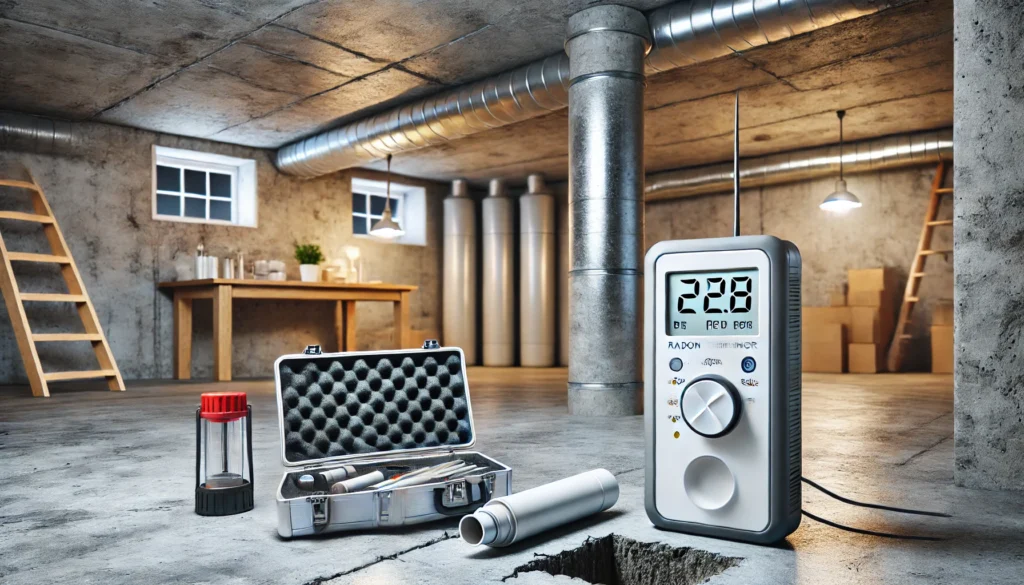
- Test independently. Renters do not need a landlord’s permission to place a certified radon test kit in their unit. Short-term kits are available at hardware stores, and professional testing from a certified provider produces documented results.
- Put concerns in writing. If you raise the issue and the landlord does not respond, written communication creates a record. That record matters if the situation escalates to a lease negotiation, lease non-renewal, or a habitability question.
- Contact the county health department. Some local health departments in Georgia and South Carolina offer radon information or access to subsidized test kits.
According to the CDC, radon is the second leading cause of lung cancer in the United States after smoking. Long-term exposure at elevated levels is a documented health risk. Tenants who plan to remain in a rental for multiple years have a meaningful interest in knowing their radon levels, and testing is the only way to obtain that information.
When a Landlord Refuses to Act
If a landlord is unwilling to test or to address documented elevated radon levels, options depend on the specific circumstances and lease terms. In some situations, tenants may have grounds to negotiate a lease termination or to contact a local health official or legal aid organization for guidance. These situations are more straightforward when the tenant has certified test documentation in hand.
EnviroPro 360 provides certified radon testing throughout Augusta, Evans, Martinez, Grovetown, North Augusta, Aiken, and surrounding areas of Georgia and South Carolina. If you are a renter who wants accurate, documented radon test results to use in a conversation with your landlord, contact us to schedule testing.