You asked your landlord about radon testing and the answer was no — or close to it. “It is not required.” “We do not test.” “That is not our responsibility.” It is a frustrating position to be in when the issue is the air quality in your own home. But a landlord’s refusal to test does not leave you without options.
Why Radon Matters for Renters
Radon is a radioactive gas that forms from the natural decay of uranium in soil and rock. It enters buildings through cracks in foundations, gaps around pipes, and crawl space openings. It is invisible, odorless, and accumulates in enclosed spaces without any warning. The Environmental Protection Agency identifies radon as the second leading cause of lung cancer in the United States, responsible for approximately 21,000 deaths annually.
Renters in ground-floor and basement units face the same exposure risk as homeowners. The absence of a radon disclosure in your lease does not mean the unit is safe — it almost always means the subject was never addressed. Because radon produces no immediate symptoms, you could be exposed for years without knowing it.
What Georgia and South Carolina Law Says
Neither Georgia nor South Carolina currently requires landlords to test for radon or disclose radon levels to tenants. This is the most common reason landlords give for declining to test: the law does not require it. Technically, they are correct. But the absence of a legal mandate does not mean tenants are without recourse. Both states include an implied warranty of habitability in their landlord-tenant frameworks — the requirement that a landlord provide and maintain a unit in a safe and livable condition. A severely elevated radon level could constitute a habitability issue depending on concentration and circumstances.
Ask Again — With Documented Support
Before taking independent action, try one more structured written request by email or certified letter. Include the following:
- That radon is the second leading cause of lung cancer according to the EPA and CDC
- That ground-floor and basement units carry elevated radon risk
- That professional radon testing is non-invasive, quick, and relatively inexpensive
- That you are formally requesting testing as a habitability matter
A written request creates a record. If the landlord declines in writing, you have documentation that they were informed of the risk and chose not to act, which matters if you later need to escalate.
Test the Unit Yourself
You have the right to test for radon in the space you occupy. Nothing in a standard residential lease prohibits a tenant from placing a radon test device in their own unit. The CDC recommends that residents who spend significant time in lower-level spaces test those areas for radon. You have two testing options:
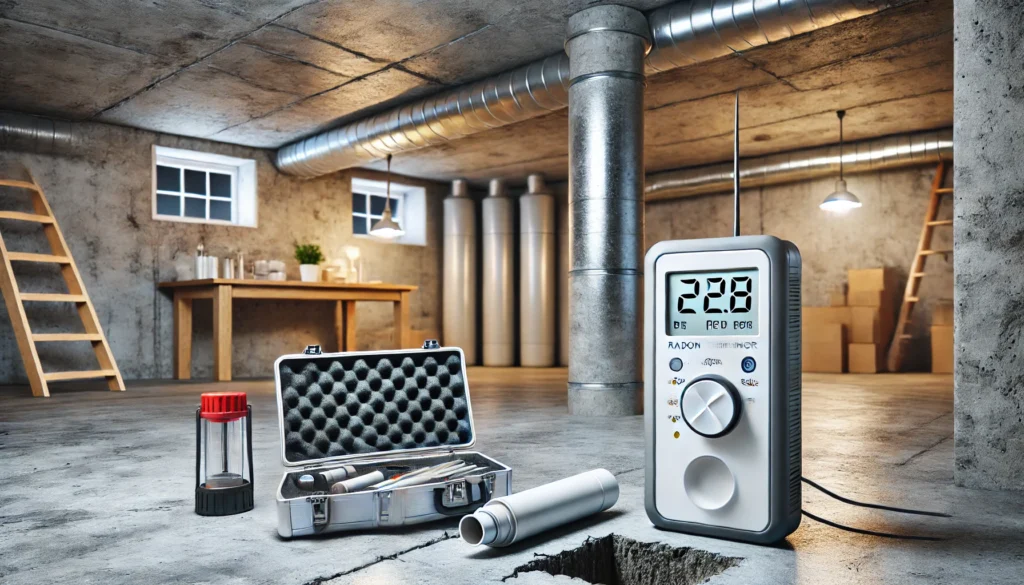
- DIY charcoal canister kit: Available at hardware stores for $15 to $30. You place the device in your lowest livable level for two to seven days and mail it to the included lab. Results arrive in one to two weeks. Useful for a preliminary indication, though accuracy depends on correct placement and closed-building conditions being maintained.
- Professional radon test: A certified provider places calibrated equipment in your unit, follows EPA measurement protocols, and gives you a documented result with a plain-language explanation. Professional results carry more weight if you later need to present findings to your landlord, a housing authority, or an attorney.
If the Test Comes Back Elevated
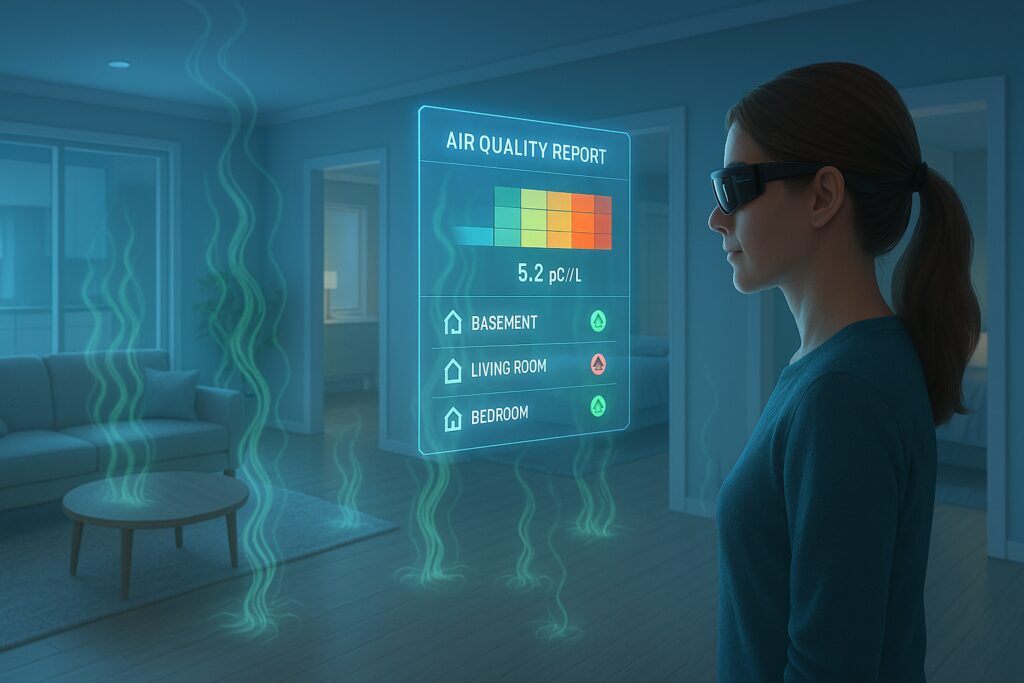
If your result is at or above 4.0 pCi/L, the EPA action level, document everything: the test type, placement location, test dates, and the result. Notify your landlord in writing. Your notice should state the radon level found, the EPA action level, and request that the property owner hire a certified mitigation contractor to address the condition.
If your landlord refuses to act after receiving written notice of a documented elevated radon level, you have additional avenues:
- Local housing authority: File a complaint and request an inspection or guidance on habitability requirements in your jurisdiction.
- Tenant advocacy organizations: Georgia and South Carolina both have tenant advocacy resources that can advise on your rights without requiring you to hire an attorney immediately.
- Landlord-tenant attorney: If the condition is severe and the landlord refuses to engage, a brief consultation with an attorney familiar with Georgia or South Carolina landlord-tenant law can clarify whether you have grounds to withhold rent into escrow, break the lease without penalty, or pursue other remedies.
Get a Professional Radon Test for Your Rental
EnviroPro 360 provides professional radon testing for tenants and homeowners throughout Augusta, Evans, Martinez, Grovetown, North Augusta, Aiken, and the CSRA. A professional test result gives you the documentation you need whether your next step is a conversation with your landlord, a complaint to the housing authority, or a consultation with a housing attorney.
EnviroPro 360 handles testing and result interpretation. If mitigation is needed, certified mitigation contractors handle the installation work. EnviroPro 360 can conduct the post-mitigation retest to confirm the system is performing correctly.
Contact EnviroPro 360 to schedule radon testing for your rental unit in Augusta or anywhere in the CSRA.