Radon awareness has grown in recent years, but most information is written for homeowners. Renters face the same exposure risk. If you live in a ground-floor apartment, a basement unit, or a rental home with a crawl space beneath it, you may be exposed to elevated radon levels without any indication from your landlord or your lease.
Here is what the numbers mean, why lower-floor units face higher risk, and what to do if you want to know your actual radon level.
The EPA’s Radon Action Level and What It Means
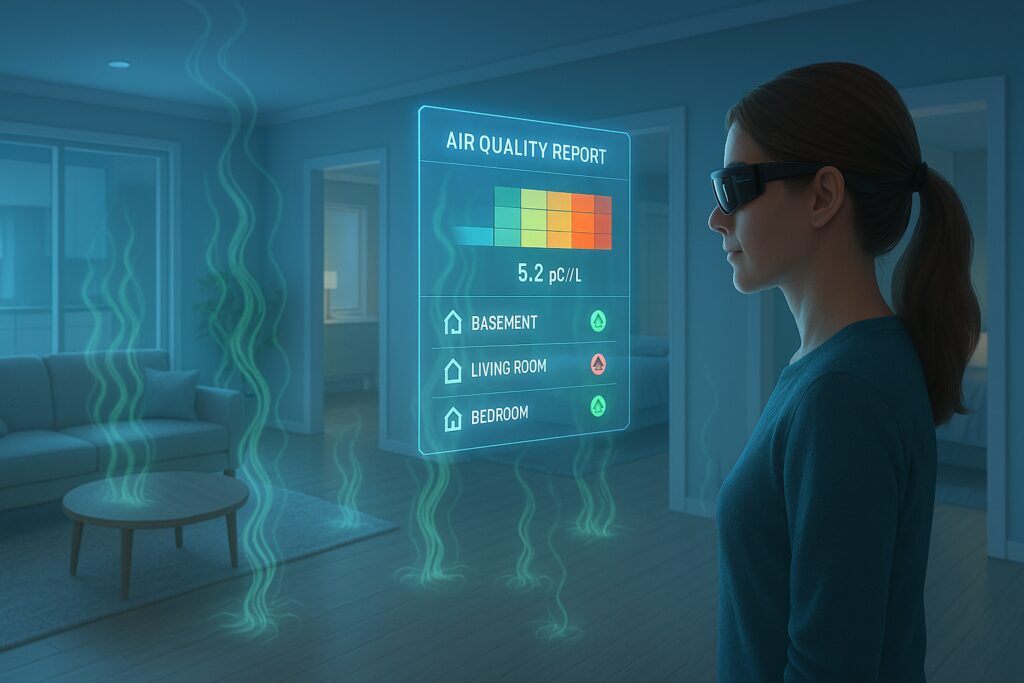
Radon is measured in picocuries per liter of air (pCi/L). The Environmental Protection Agency recommends taking action to reduce radon when indoor levels are at or above 4.0 pCi/L. For context, typical outdoor air contains approximately 0.4 pCi/L. No level of radon is considered completely risk-free, but the EPA draws the action threshold at 4.0 pCi/L based on the point where intervention is both warranted and cost-effective.
The Centers for Disease Control and Prevention identifies radon as the second leading cause of lung cancer in the United States, responsible for approximately 21,000 deaths annually. The risk develops over years of regular exposure. A person living in a home with elevated radon for ten or fifteen years accumulates meaningful lung cancer risk that cannot be reversed once the exposure has occurred.
Radon Levels by Range: What Each Category Means
Here is a practical breakdown of radon levels and what they indicate:
| Radon Level | What It Indicates |
|---|---|
| Below 2.0 pCi/L | Low risk. No action required. Periodic retesting recommended. |
| 2.0 to 3.9 pCi/L | Moderate. EPA recommends a follow-up long-term test to establish annual average. |
| 4.0 pCi/L and above | At or above the EPA action level. Steps should be taken to reduce radon concentration. |
| Above 8.0 pCi/L | Significantly elevated. Mitigation should be prioritized without delay. |
These are not hard dividing lines between safe and unsafe. They are risk thresholds that help prioritize action. Living in a 3.8 pCi/L home for twenty years is not meaningfully safer than living in a 4.2 pCi/L home for the same period. The EPA action level is a practical guideline, not a guarantee of safety at values just below it.
Why Apartments and Rentals on Lower Floors Have Higher Risk
Radon enters buildings through contact points between the structure and the soil. Ground-level slabs, crawl space floors, basement walls, and foundation cracks are the primary entry points. Because radon enters at ground level and is slightly denser than typical indoor air, it tends to concentrate in lower portions of a building. An upper-floor apartment in a multistory building has substantially less radon risk than a ground-floor or basement unit in the same building.
This means radon risk in rental housing is not uniform. Two tenants in the same building can have significantly different exposure levels. If you live in a unit that is at or near ground level, or if your building has a crawl space beneath it, your radon exposure profile is similar to that of a homeowner in a single-family home, and the same logic for testing applies.
How Renters Can Test for Radon
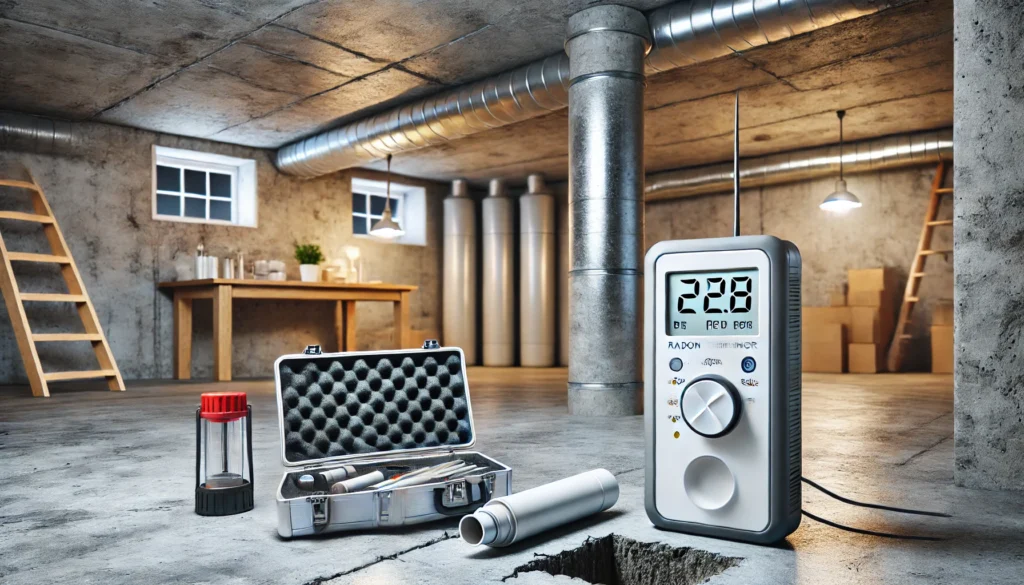
Nothing in a standard residential lease prohibits tenants from testing for radon in their own unit. You can purchase a short-term charcoal canister kit from a hardware store, follow the instructions carefully, and mail it to the lab included with the kit. Results typically arrive within one to two weeks.
However, if you intend to use the result in a conversation with your landlord, or if you want a reliable number for your own decision-making, a professional test is worth the additional investment. A professional test follows EPA measurement protocols, is placed in the appropriate location for your specific unit, and includes a documented result that holds up if your landlord contests the finding.
If Your Radon Level Is Elevated, What Happens Next
As a renter, you do not control whether a mitigation system is installed. That is the property owner’s decision. However, you can notify your landlord in writing of an elevated result and request that the condition be addressed. Both Georgia and South Carolina landlord-tenant law includes an implied warranty of habitability, which requires landlords to maintain units in a safe and livable condition. Whether elevated radon rises to a habitability violation depends on the specific circumstances and may require legal guidance to pursue.
What you can control is knowing your exposure level. A test result puts factual information in your hands so you can make informed decisions about how long to remain in the unit, how to communicate with your landlord, and whether to seek legal advice.
Radon Testing for Augusta-Area Renters
EnviroPro 360 provides professional radon testing for rental units and residential properties throughout Augusta, Evans, Martinez, Grovetown, North Augusta, Aiken, and the CSRA. Testing results are provided with a clear explanation of the number’s significance and applicable EPA guidance.
Contact EnviroPro 360 to schedule radon testing for your rental unit and get a result you can understand and act on.