Most people have heard that mold is bad for your health. Fewer people have accurate information about why, which molds, at what exposures, and for whom. The gap between what people believe about mold and health and what the evidence actually shows is significant enough that some homeowners underreact to real problems while others panic over normal spore levels. This post addresses the most common misconceptions directly.
Myth: Only Black Mold Is Dangerous
The term “toxic black mold” gets used as if there is one specific mold that causes serious health problems and all other molds are safe. This is not accurate. The EPA notes that any mold growth indoors should be addressed regardless of species, because the health-relevant variable is elevated spore concentration and sustained exposure, not the specific species present.
Stachybotrys chartarum, the mold most commonly called “black mold,” does produce mycotoxins under certain conditions and warrants serious attention. But several other mold species that appear in CSRA homes regularly cause health symptoms. Cladosporium, one of the most common indoor molds, is a significant allergen that triggers asthma. Aspergillus species can cause respiratory illness in people with compromised immune systems. Penicillium, common after water damage, is a well-documented indoor allergen. None of these appear black. All of them can make susceptible people sick.
Color tells you nothing reliable about a mold’s health risk. The only way to identify what you are dealing with is laboratory analysis of an air or surface sample.
Myth: If You Do Not Have Allergies, Mold Will Not Affect You
Allergy is one pathway through which mold causes health problems, but it is not the only one. The CDC documents that mold exposure can cause upper respiratory symptoms, coughing, and eye irritation even in people without known mold allergies. Sustained exposure at elevated concentrations affects people across a wider range of susceptibility than is commonly understood.
The people most severely affected are those with asthma, allergies, compromised immune systems, or existing respiratory conditions. But people without these risk factors are not immune. Extended exposure to elevated indoor spore concentrations can trigger new sensitizations and cause inflammation in the respiratory tract that resolves when exposure stops.
Myth: If You Cannot See Mold, It Is Not a Problem
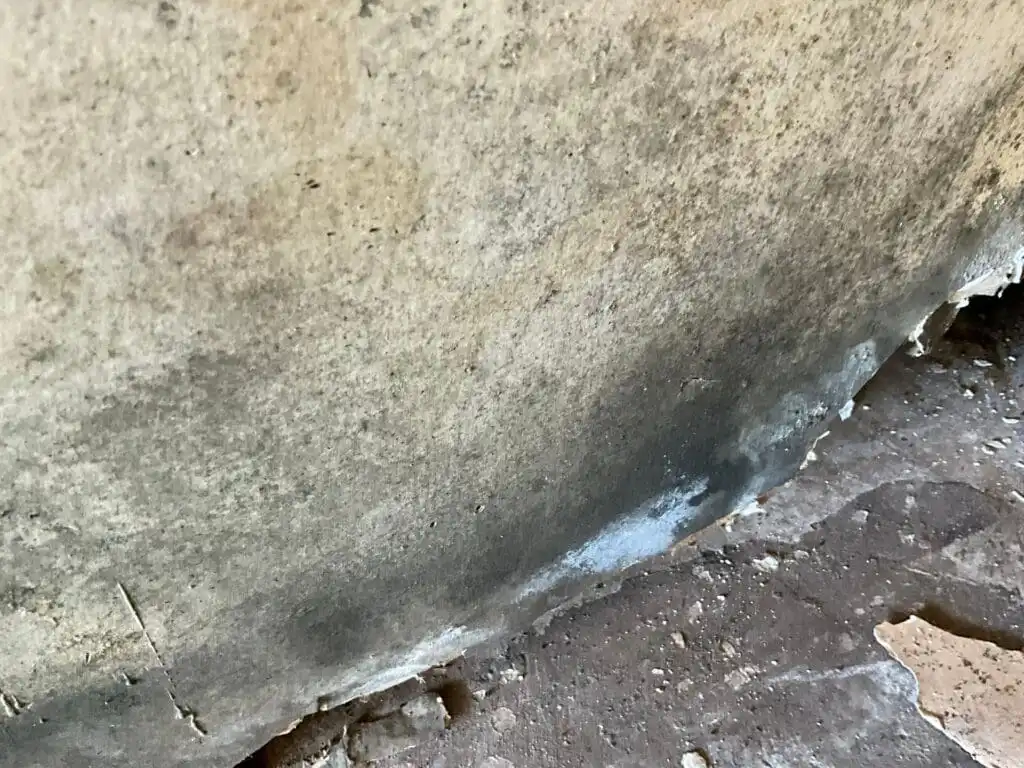
Visible surface mold is the evidence that mold has already established extensively. By the time mold appears on drywall, ceiling tiles, or grout, it has typically been present behind the surface for weeks or longer. In Augusta and CSRA homes, several locations produce significant mold growth that is never visible to occupants:
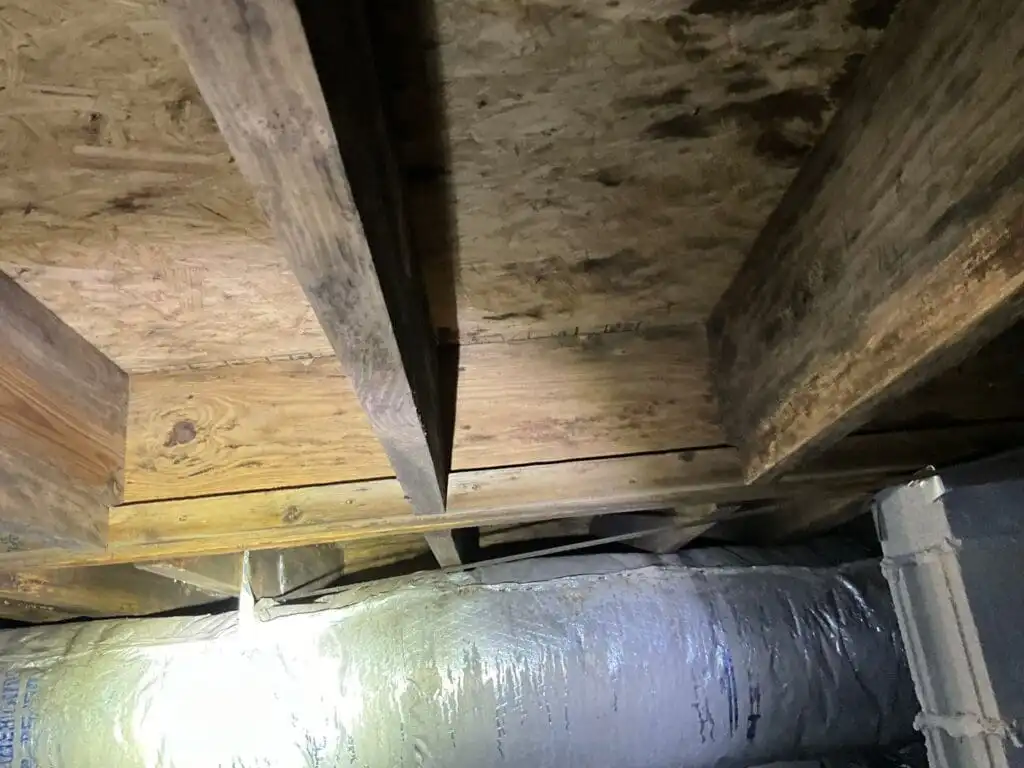
- Crawl spaces, where mold on floor joists can be extensive while the floor above appears and smells normal at first
- Inside HVAC ductwork and around air handlers, where spores get distributed through the entire home whenever the system runs
- Behind bathroom tile and kitchen backsplash, where water infiltration behind finished surfaces supports growth invisible from the living side
- Inside wall cavities near windows, where repeated condensation during Georgia temperature swings creates sustained moisture
Air sampling measures what occupants are actually breathing. Elevated indoor spore concentrations compared to an outdoor baseline confirm an active mold source even when no visible growth is present. This is why professional inspection matters when symptoms are present without obvious visual evidence.
Myth: Cleaning Visible Mold Solves the Problem
Wiping mold off a surface removes the colony you can see. It does not address the moisture source that allowed the colony to grow, and on porous materials like drywall and grout, it does not eliminate the hyphae (root structures) embedded below the surface. Mold on porous materials that is cleaned without removing the material will regrow when moisture is present again, which in most cases is almost immediately.
Proper response includes fixing the moisture source, removing affected porous materials that cannot be effectively cleaned, drying structural materials to confirmed low moisture levels, and post-remediation verification to confirm the work succeeded. Skipping any of these steps typically results in mold returning within weeks.
Myth: Symptoms That Clear Up When You Leave the House Are Just Allergies
Seasonal allergies do not consistently improve when you leave one specific building and return when you re-enter it. If symptoms like sinus congestion, coughing, fatigue, or headaches are consistently worse indoors and improve when away from home, this is a diagnostic pattern that points to an indoor air quality problem rather than a general allergy or illness.
This pattern is one of the strongest indicators that professional air testing is warranted, especially if there is any history of water events, high humidity, or musty odors in the home.
Schedule a Mold Inspection
If you have questions about indoor air quality or suspect mold may be contributing to health symptoms in your Augusta-area home, EnviroPro 360 provides professional mold inspection and air sampling with lab-verified results. Contact EnviroPro 360 to schedule an inspection.