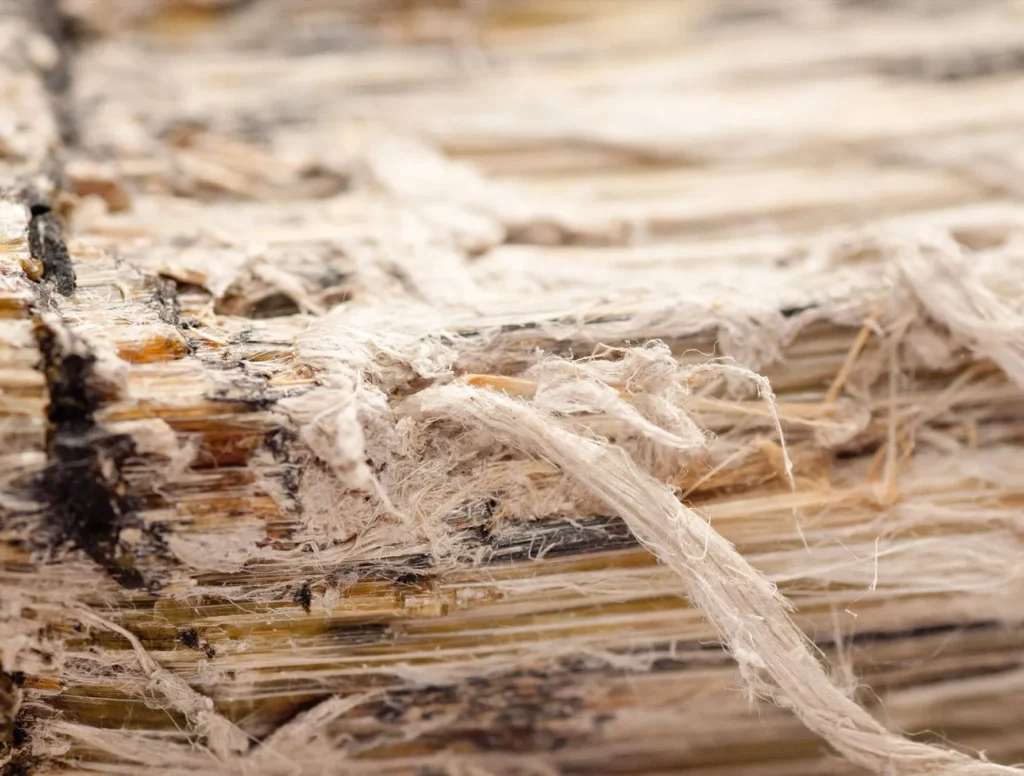
Winter is when indoor renovation work picks up in Augusta and the CSRA. Outdoor projects wind down, attention shifts inside, and contractors fill their schedules with flooring replacements, basement builds, HVAC upgrades, and ceiling work. Many of those projects happen in homes and commercial buildings constructed before 1985, which means asbestos-containing materials are likely present somewhere in the structure. Winter is also when conditions inside a building make asbestos disturbance more dangerous than it is during warmer months. Before any demo work starts this season, testing should be the first item on the checklist.
Why Winter Conditions Increase the Risk
During warmer months, windows and doors are open and buildings get natural ventilation. In winter, that changes. Homes and commercial properties are sealed against the cold. Heating systems run continuously, circulating air through the same ductwork and vents throughout the day. When renovation work disturbs asbestos-containing materials in a sealed building, the fibers released have nowhere to go. They circulate through the HVAC system, settle on surfaces in rooms that were never part of the renovation, and stay airborne longer than they would in a ventilated space.
The EPA identifies asbestos as a known human carcinogen with no established safe exposure level. Fiber concentration is what drives exposure risk, and a sealed building with active HVAC circulation creates conditions where concentration can build quickly. Occupants in other rooms, or family members who return home after work, can be exposed without ever setting foot in the area where renovation was happening.
HVAC disturbance adds another layer of risk that is specific to winter projects. Heating system maintenance, ductwork replacement, and boiler work all happen more frequently in cold weather. Older duct insulation and pipe wrap in pre-1980s buildings frequently contains asbestos. When that insulation is cut, removed, or damaged during heating system work, fibers can enter the duct system and get distributed to every room in the building.
Winter Projects That Commonly Disturb Asbestos
The renovation projects that fill contractor schedules during winter months are the same ones that carry the highest asbestos risk in older buildings:
- Replacing old flooring or removing vinyl floor tiles and sheet flooring installed before 1980
- Popcorn ceiling removal or refinishing original plaster and textured ceilings
- Replacing or cleaning ductwork and pipe insulation as part of heating system upgrades
- Finishing or renovating a basement that has original ceiling tiles, pipe wrap, or boiler insulation
- Removing wall panels or opening up walls for electrical or plumbing work
- Demolishing interior structures in older commercial or institutional buildings
In many cases, the asbestos-containing material is not in the area that is visibly being worked on. A contractor cutting into a wall to run new wiring may not know that the joint compound used throughout that wall section contains asbestos. Testing before the project starts identifies what is present before any material is disturbed.
Georgia and South Carolina Regulations
Georgia EPD and South Carolina DHEC both enforce asbestos notification and management requirements for regulated demolition and renovation projects. Under NESHAP (40 CFR Part 61, Subpart M), property owners and contractors working on regulated projects are required to identify asbestos-containing materials before demolition or renovation begins. Georgia EPD requires ten-business-day advance notification to the state before work starts on regulated projects where asbestos is present. South Carolina has similar requirements under SC DHEC Regulation 61-86.1.
The threshold for what qualifies as a regulated project depends on the amount of material being disturbed, the type of structure, and whether the work involves demolition or renovation. For projects that fall below notification thresholds, state notification may not be required, but OSHA 29 CFR 1926.1101 still applies to any contractor whose workers may encounter asbestos. Contractors are required to treat suspect materials as asbestos-containing unless sampling proves otherwise. Pre-project testing is the cleanest way to establish that record and protect both the contractor and the property owner.
The Cost of Discovering Asbestos Mid-Winter Project
When asbestos is discovered after demo has already started, everything stops. The area must be contained. Air sampling may be required before workers can re-enter. Emergency abatement has to be scheduled, which costs more than planned abatement and competes with other contractors for available slots during the busy winter season. Contractor downtime during the shutdown is a direct cost on top of the abatement work itself.
A pre-renovation inspection costs a fraction of that scenario. It takes a few days for sampling and lab results. That is time that can run in parallel with permit applications and contractor scheduling. If testing comes back clean, work proceeds without interruption. If asbestos is found, abatement gets folded into the project plan at normal rates with lead time to schedule it properly.
Schedule Testing Before Winter Work Begins
EnviroPro 360 provides certified asbestos inspections for residential and commercial properties throughout Augusta, North Augusta, Aiken, and the CSRA. Our inspectors sample the specific materials in the areas your winter project will affect and deliver lab-backed reports with findings and recommendations. If abatement is needed before work can proceed, we can help you understand the scope and timeline.
If you are planning a renovation this winter in a building constructed before 1985, testing first protects your family, your tenants, your workers, and your project schedule. Contact EnviroPro 360 to schedule your pre-renovation asbestos inspection.