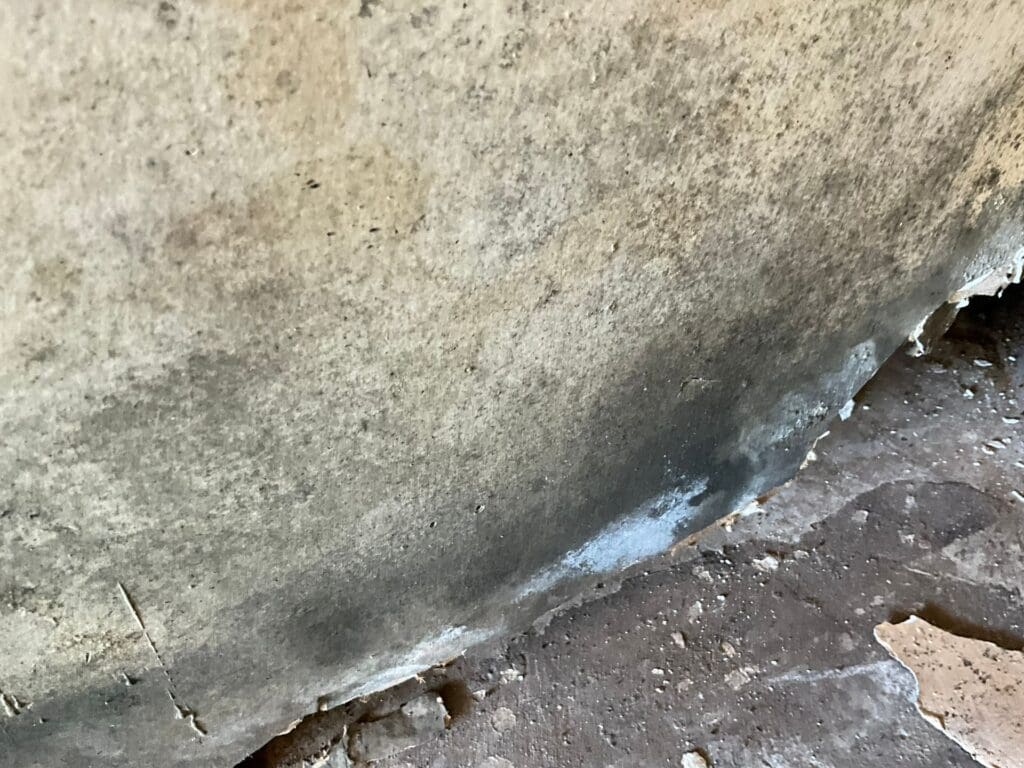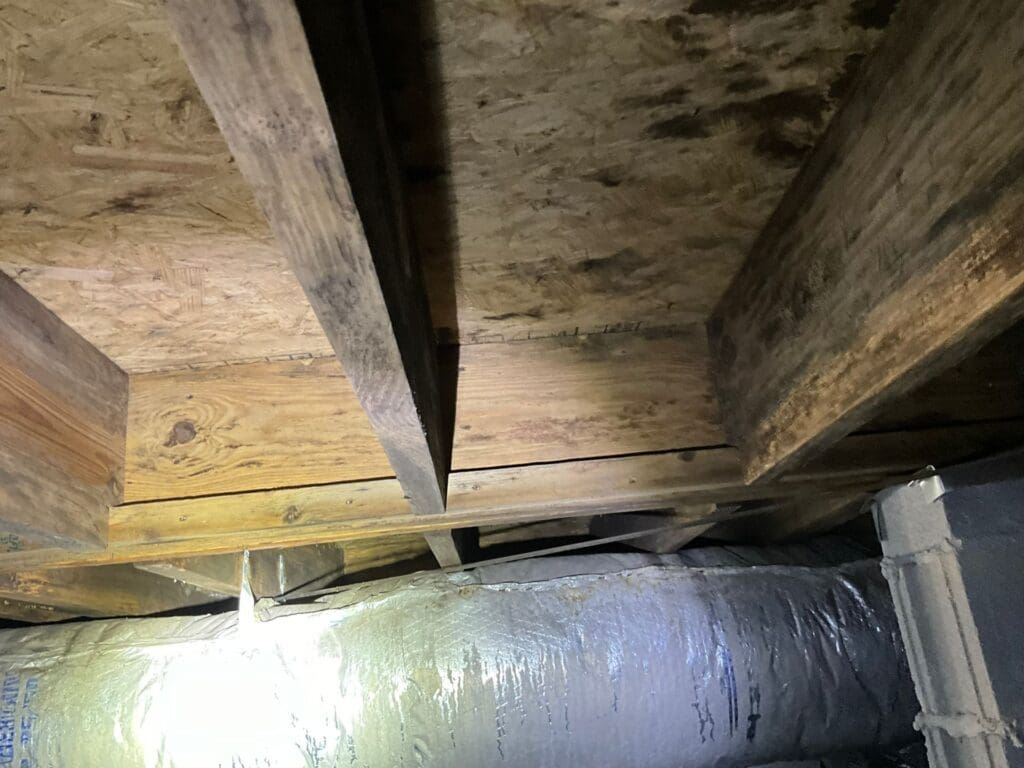
It is out of sight and out of mind until there is a problem.
Your attic may seem dry and inert, but it is one of the most common locations for hidden mold growth in homes across the Augusta and CSRA region. Because most homeowners inspect their attic infrequently, mold colonies often have weeks or months to establish before anyone notices. By the time discoloration is visible on the underside of roof decking or ceiling staining appears in the living space below, the problem is typically well advanced.
Understanding why attics are so susceptible, what warning signs to watch for, and when to call a certified inspector can prevent significant remediation expense and structural repair costs.
Why Attics Are Vulnerable to Mold Growth
Three structural and environmental conditions make attics particularly prone to mold in the CSRA climate:
1. Inadequate Ventilation
Warm, humid air rises naturally and accumulates under the roofline. Properly functioning soffit and ridge vents create a continuous airflow that carries moisture-laden air out of the attic space. When vents are blocked by displaced insulation, painted over during exterior repainting, or absent in older construction, humid air stagnates against the roof decking. Over time, the moisture content in the OSB or plywood sheathing rises to a level that supports mold colonization without any roof leak being present.
2. Exhaust Fans Routed Into the Attic
Bathroom and kitchen exhaust fans are designed to carry moisture to the exterior. When these fans are improperly routed into the attic rather than to an exterior vent, they deposit warm, humid air directly onto roof decking and insulation with every use. This is a common installation error in CSRA homes built before 2000 and one of the most frequent causes of attic mold identified during EnviroPro 360 inspections in Evans and North Augusta.
3. Roof Leaks and Flashing Failures
Small leaks around pipe boots, chimney flashing, or deteriorated ridge cap shingles introduce liquid water directly into insulation and wood framing. Because the attic is rarely inspected between roofing projects, a minor leak can deposit moisture into the same location through dozens of rain events before ceiling staining appears in the living space. Wet insulation provides an ideal mold substrate and retains moisture long after the rain event itself.
How Attic Mold Spreads to the Living Space
Attic mold rarely stays confined to the attic. When an HVAC air handler or supply ductwork runs through the attic space, the system draws air across mold colonies and distributes spores throughout the living area during each heating and cooling cycle. According to the EPA, mold distributed through HVAC systems can elevate indoor air concentrations significantly, making occupant health effects more likely even when no visible mold is present in the rooms below.
According to the CDC, mold exposure is associated with nasal and throat irritation, coughing, wheezing, and worsened asthma symptoms. A pattern worth noting: if occupants notice that respiratory symptoms improve when away from the home but return when the HVAC runs, attic mold distributed through the duct system is a plausible cause worth investigating.
Warning Signs of Attic Mold
- A persistent musty odor on the upper floor of the home, particularly when the HVAC is running
- Dark gray or black staining on the underside of roof decking, visible when looking up inside the attic
- Warped or discolored wood framing members, ridge board, or collar ties
- Peeling or lifting insulation batts that have absorbed moisture from above
- A home inspection report noting elevated moisture readings at the roof line or in the attic
- Increased allergy or respiratory symptoms among home occupants, especially in upper-floor rooms
What a Certified Attic Mold Inspection Involves
Attic mold assessment requires more than a quick visual check from the hatch. EnviroPro 360 conducts a structured inspection that includes:
- Visual inspection of roof decking, framing, and insulation for visible mold growth and water staining patterns that indicate the leak source and direction of moisture travel
- Moisture metering of structural members to identify elevated wood moisture content before visible mold colonies are established
- Thermal imaging to locate roof leaks or condensation zones that are not visible to the naked eye, including areas obscured by insulation
- Air sampling from the attic space and the living area below, compared against an exterior baseline sample, analyzed by an AIHA-accredited laboratory
The inspection report documents current conditions, identifies the probable moisture source driving the growth, and provides the information needed by a licensed remediation contractor to address the problem. EnviroPro 360 is an independent testing company and does not perform mold remediation, ensuring that our findings carry no financial interest in the scope of any cleanup work that follows.
Preventing Attic Mold After Treatment
Once attic mold has been professionally remediated, maintaining dry conditions requires addressing the root causes identified during inspection:
- Verify that all bathroom and kitchen exhaust fans terminate at an exterior vent, not inside the attic space
- Confirm that ridge vents and soffit vents are unobstructed and provide continuous cross-ventilation across the full attic floor area
- Inspect the roof condition annually and after major weather events, checking pipe boot seals, flashing joints, and ridge cap shingle integrity
- Avoid storing cardboard boxes or other organic materials in the attic, which serve as a secondary mold substrate
Schedule an Attic Mold Inspection in Augusta or the CSRA
EnviroPro 360 provides certified mold inspections for attics throughout Augusta, Evans, Grovetown, North Augusta, and the surrounding CSRA region. Whether you are preparing to sell your home, following up on a general home inspection that flagged attic moisture, or investigating unexplained respiratory symptoms, we can assess current conditions and provide documented findings.
Don’t wait for staining to reach the ceiling below. Contact EnviroPro 360 to schedule a certified attic mold inspection before the problem spreads.