One of the most persistent misconceptions about asbestos is that its presence in a building automatically constitutes an emergency. For homeowners in Augusta who live in pre-1980 structures, that misunderstanding causes unnecessary anxiety and sometimes unnecessary expense. The more useful framing is this: asbestos-containing materials in good condition, left undisturbed, present a different risk profile than damaged asbestos-containing materials or asbestos that will be disturbed by planned renovation work.
The regulatory and scientific framework around asbestos uses two terms that do most of the work in distinguishing these situations: friable and non-friable.
What Friable and Non-Friable Mean
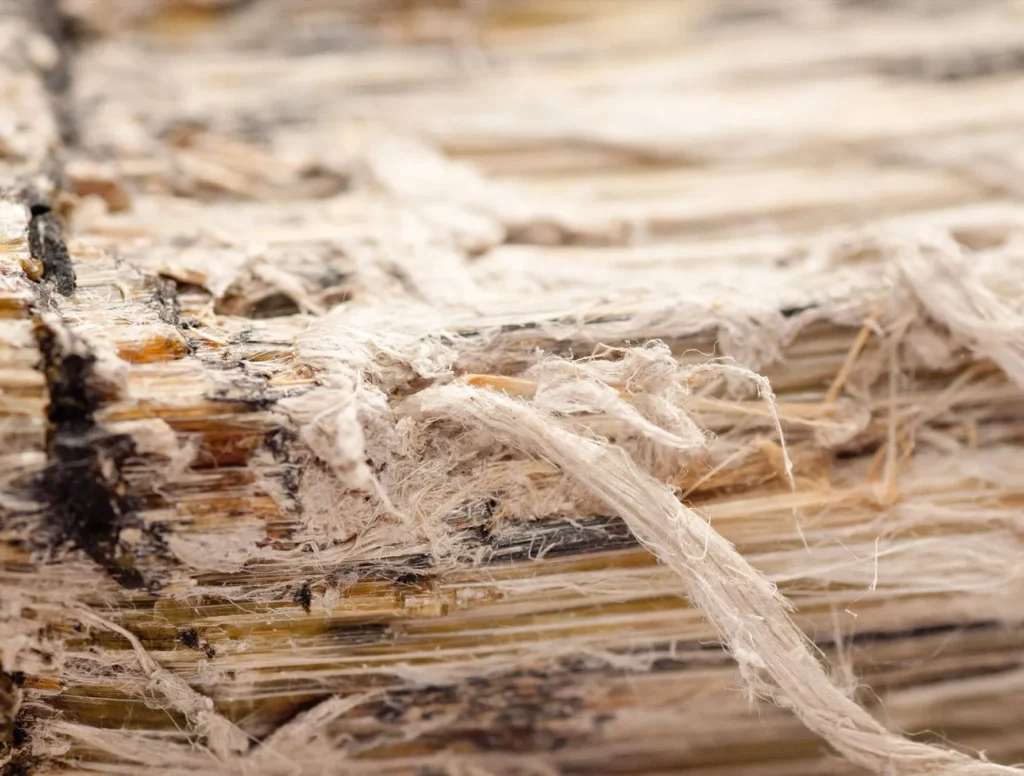
Asbestos-containing material (ACM) is any material that contains more than one percent asbestos by weight. The EPA defines friable ACM as material that, when dry, can be crumbled, pulverized, or reduced to powder by hand pressure. Non-friable ACM is material that cannot be crumbled by hand pressure under normal conditions.
This distinction matters because asbestos is hazardous primarily when it is airborne in respirable fiber form. Intact, non-friable materials hold asbestos fibers in a matrix, such as vinyl, cement, or roofing tar, that prevents them from becoming airborne. Friable materials, or non-friable materials that have been damaged or are being disturbed by cutting, grinding, drilling, or sanding, release fibers into the air where they can be inhaled.
Non-friable ACM in good condition is not required to be removed under most federal and state regulations. Removal is required when the material is friable, significantly damaged, or when renovation or demolition work will disturb it.
Common Non-Friable Asbestos Materials in Older Augusta Homes
Augusta’s housing stock includes a substantial number of homes built between the 1930s and the late 1970s. In those structures, several common building materials may contain asbestos in non-friable form:
Vinyl floor tiles. Nine-inch and twelve-inch vinyl composition floor tiles manufactured through the early 1980s frequently contained chrysotile asbestos as a reinforcing and binding agent. The asbestos is encapsulated in the vinyl matrix. Intact tiles in good condition do not release fibers. Broken, damaged, crumbling, or tiles being mechanically removed through grinding, chipping, or sanding can release fibers.
Vinyl tile adhesive (mastic). The black adhesive used to set floor tiles through the 1980s also frequently contained asbestos. This mastic is often found beneath removed flooring, and it is a common discovery when homeowners pull up old vinyl or wood flooring. Mastic that has hardened and is firmly bonded to the subfloor is generally considered non-friable. Scraping or grinding it as part of floor preparation releases fibers.
Asbestos cement roofing and siding. Products sold under brand names like Transite and various cement shingle products were widely used from the 1920s through the 1970s. These products bound asbestos fibers in a cement matrix. They are extremely durable. Intact cement asbestos panels or shingles present minimal fiber release risk under normal conditions. Deteriorating panels, panels being cut with power tools, or panels being demolished present significant fiber release potential.
Asphalt-based roofing products. Roofing felts, built-up roofing membranes, and some asphalt shingles produced before the late 1970s incorporated asbestos fibers. These products bind asbestos in a bituminous matrix. In place and undisturbed, they present low risk. Tear-off or mechanical removal generates fiber-containing debris.
Caulking and roofing mastics. Putty and caulking compounds used around windows, at roof penetrations, and in expansion joints in older commercial and residential construction may contain asbestos. These products are typically non-friable when intact but may become friable as they age, dry out, and crack.
Friable or Higher-Risk Materials
In contrast, certain asbestos-containing materials are classified as friable and present more immediate risk when deteriorating or disturbed:
Spray-applied fireproofing and insulating materials. Buildings constructed from the 1950s through the early 1970s used sprayed-on insulation and fireproofing on structural steel, concrete decks, and mechanical equipment. These materials are soft, loosely bound, and readily shed fibers when disturbed. They are among the highest-risk ACM in older commercial structures.
Pipe and duct insulation. Corrugated cardboard-like pipe insulation, wrap-type insulation, and duct insulation made from asbestos-containing plaster or cement was standard in mechanical systems through the 1970s. Where intact and undisturbed, risk is limited. Where damaged, cut during renovations, or deteriorating from age and heat cycling, fiber release is significant.
Textured paints and plaster. Some textured wall and ceiling coatings applied before 1978 contained asbestos. These have a variable risk profile depending on whether the coating is intact and adhered or peeling and flaking.
Loose-fill insulation in wall cavities and attics. A small percentage of older structures contain loose asbestos insulation blown into wall cavities or attic spaces. This material is friable and generates fibers under virtually any disturbance.
How to Know What You Have
Visual identification of asbestos-containing materials is not reliable. Asbestos fibers are microscopic. You cannot tell by looking at a floor tile, a pipe wrap, or a roofing panel whether it contains asbestos. The identification requires laboratory analysis of a sample.
A trained asbestos inspector collects samples from suspect materials using techniques designed to minimize fiber release, sends them to an accredited laboratory, and receives results reporting the asbestos content and type. This is a straightforward process for materials in a home, and the cost of testing is substantially less than the cost of either unnecessary removal of non-ACM materials or the liability from disturbing unknown ACM.
The situations where testing is most clearly warranted include:
Before any renovation that will disturb suspect materials. If you are planning to remove old floor tiles, disturb wall or ceiling materials in a pre-1980 home, work on the roof of an older structure, or cut or drill into any material of unknown composition, test before you start.
When materials are visibly deteriorating. Damaged or crumbling pipe insulation, flaking floor tile, or deteriorating ceiling material in an older structure should be sampled and assessed before any remediation work begins.
When purchasing a pre-1980 home. Understanding whether and where asbestos-containing materials are present gives you information relevant to both renovation planning and occupant safety.
When a contractor or inspector identifies suspect material. If someone working in your home flags a material as potentially containing asbestos, testing resolves the question definitively. Assumptions are not a substitute for lab results.
The Decision After Testing
If testing confirms ACM is present, the decision about what to do depends on the material’s condition and what you plan to do with it. Intact, non-friable ACM in a location that will not be disturbed by planned work is often left in place and managed through a documented plan that ensures it remains undisturbed and is reinspected periodically. Removal is appropriate when the material is friable, significantly damaged, or when planned work cannot avoid disturbing it.
Removal of regulated ACM requires a licensed asbestos abatement contractor in Georgia. Disturbance of ACM without proper controls is an OSHA violation and a potential EPA NESHAP violation for qualifying projects, in addition to creating a genuine health risk for whoever is doing the work.
If you have an older home in the Augusta or CSRA area and want to understand what materials may contain asbestos, or want to have specific materials sampled before a renovation, the EnviroPro 360 team is ready to help. Reach out any time.