A facilities director at a CSRA school inherited a binder labeled “asbestos” when the previous director retired. It contained an inspection report from the early 1990s, a hand-drawn floor plan, and nothing dated after 2014. He assumed the building had been cleared at some point, because nobody had raised it in a decade. What he actually had was a lapsed asbestos management plan, a missed reinspection cycle, and a federal recordkeeping obligation that had been running the entire time without anyone tracking it.
This is a common situation, and it is not usually the result of anyone being careless. AHERA compliance is a continuing obligation with intervals measured in months and years, and it outlasts the tenure of the people responsible for it. The requirements are also more specific than most administrators realize.
What AHERA Is
AHERA stands for the Asbestos Hazard Emergency Response Act, passed in 1986. It directed the EPA to write rules requiring schools to inspect for asbestos-containing building material, called ACBM, and to manage what they find.
The premise is worth understanding, because it explains why the rules are shaped the way they are. AHERA does not require schools to remove asbestos. In many cases removal is the wrong answer, because disturbing intact material releases fibers that were not going anywhere while the material sat undisturbed. What AHERA requires is that schools know where the material is, monitor its condition over time, and respond when its condition changes.
That distinction between managing in place and removing is the core of the whole framework. An administrator who thinks the goal is a building with no asbestos in it will read the requirements as a failure. An administrator who understands the goal is a building where the asbestos is known, documented, and stable will read them as a maintenance program.
Who Is Covered, and Who Is Not
The EPA states that the regulations apply to public school districts and non-profit schools, including charter schools and schools affiliated with religious institutions, covering kindergarten through twelfth grade.
The exclusions matter as much as the inclusions:
For-profit private schools are not covered by AHERA. Neither are colleges and universities, standalone daycare centers and preschools not part of a covered school, or commercial and office buildings generally.
Not being covered by AHERA does not mean asbestos is unregulated in those buildings. OSHA’s asbestos standards protect employees in every workplace regardless of building type, and the EPA’s NESHAP rules govern renovation and demolition activity in most commercial and institutional structures. What the exclusion means is narrower and specific: the inspection schedule, the management plan, the designated person, and the notification requirements described below are AHERA obligations, and a for-profit preschool or a private office building does not have them.
Facility managers of older commercial buildings sometimes ask whether they should follow AHERA anyway. It is a reasonable framework to borrow from voluntarily, because knowing where the material is and checking on it periodically is sound building management. It is just not a legal requirement outside the covered categories.
The Actual Requirements
Initial Inspection and Reinspection Every Three Years
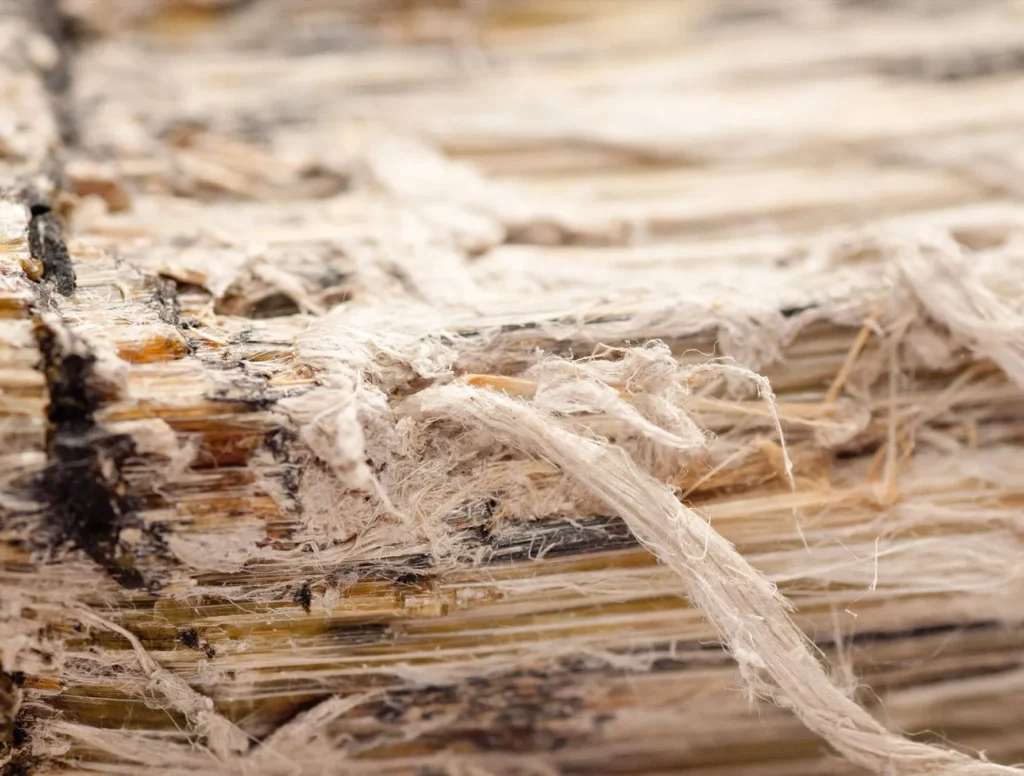
Covered schools must have had an initial inspection to identify both friable and non-friable asbestos-containing material. Friable means the material can be crumbled or reduced to powder by hand pressure, which is what allows fibers to become airborne.
After that, the EPA requires schools to reinspect asbestos-containing material in each school every three years. This is the interval that most commonly lapses, because three years is long enough for staff turnover to erase institutional memory of when the last one happened. An accredited inspector must perform it.
Periodic Surveillance Every Six Months
Between reinspections, the regulation requires more frequent checks. Under 40 CFR 763.92, at least once every 6 months after a management plan is in effect, the local education agency must conduct periodic surveillance of known or suspected asbestos-containing material.
Surveillance is a visual condition check, not a full inspection, and trained in-house staff can perform it. It exists to catch physical changes between the three-year inspection cycles: new water damage on pipe insulation, a scuffed floor tile, a ceiling panel disturbed during a wiring project.
Two visual checks a year, documented, is a low bar operationally. It is also one of the most frequently missed requirements, usually because nobody was told it was their job.
A Management Plan, Kept On Site
Schools must develop, maintain, and update an asbestos management plan documenting where the material is located, what response actions have been taken, and what repairs have been made. A copy has to be kept at the school itself, not only at a district office.
An updated plan is the practical output of everything else. Each surveillance round and each reinspection produces findings that go into it. A plan whose last entry is from a previous decade is evidence that the underlying cycle stopped running.
Training for Custodial and Maintenance Staff
The training requirements are specific in a way that surprises people. Under the same section, all maintenance and custodial staff who may work in a building containing ACBM must receive at least 2 hours of asbestos awareness training. Staff who conduct activities that actually disturb such material must receive that 2 hours plus 14 hours of additional training.
The reason for the split is straightforward. The two-hour requirement exists so that someone drilling an anchor into a wall recognizes what they might be drilling into. The additional fourteen hours exist for the people whose work involves handling the material on purpose.
Custodial and maintenance staff are the population most likely to disturb asbestos in a school building, and they turn over. Training is not a one-time project completed years ago.
Annual Notification
Schools must provide yearly notification to parent, teacher, and employee organizations about the availability of the management plan and any asbestos-related actions taken or planned. The plan must be made available for inspection within five working days of a request.
Why the Cycle Breaks
In practice, AHERA lapses follow a recognizable pattern. A designated person leaves and the role is not formally reassigned. Surveillance was being done informally by a long-tenured custodian who retired. A district consolidated facilities management and the building-level binders did not move. A renovation happened and the resulting changes never got recorded in the plan.
None of these involve anyone deciding to skip a requirement. They involve a continuing obligation with no natural reminder attached to it.
Georgia adds its own layer through the Environmental Protection Division, which administers asbestos notification and licensing requirements for abatement and demolition activity in the state. A school renovation can trigger both AHERA response-action requirements and state notification requirements at the same time, and they are separate filings.
What to Do
-
Find the management plan and check the date of the most recent entry. Not the date of the original inspection. The most recent entry. If it is more than three years old, the reinspection cycle has lapsed and that is the first thing to fix.
-
Confirm in writing who the designated person is. If you cannot name them, the role is vacant, and every recurring requirement above is currently unowned. This costs nothing to fix and is the single change that prevents the cycle from breaking again.
-
Put the six-month surveillance on a calendar, not in someone’s memory. Two documented visual checks a year is the requirement, and a recurring calendar entry with a named owner is what makes it survive staff turnover.
If you are trying to work out where your school or facility stands on asbestos inspection, surveillance, or an out-of-date management plan, the EnviroPro 360 team can help you sort out what is required and what condition your documentation is actually in. Reach out here and we will walk through it with you.