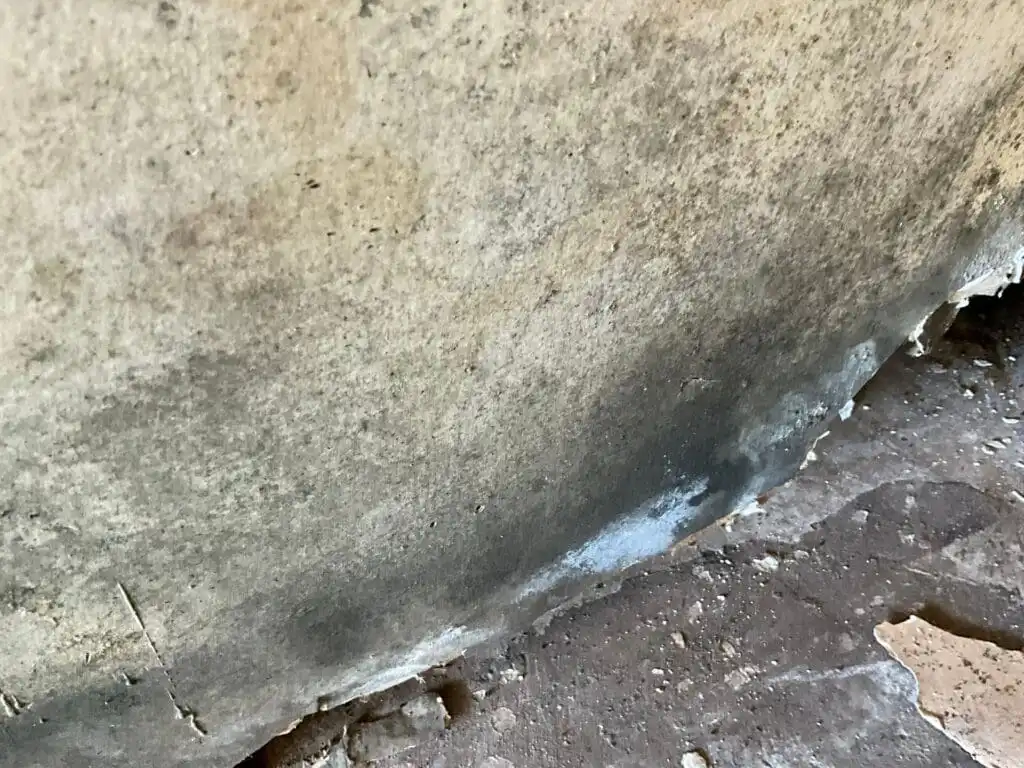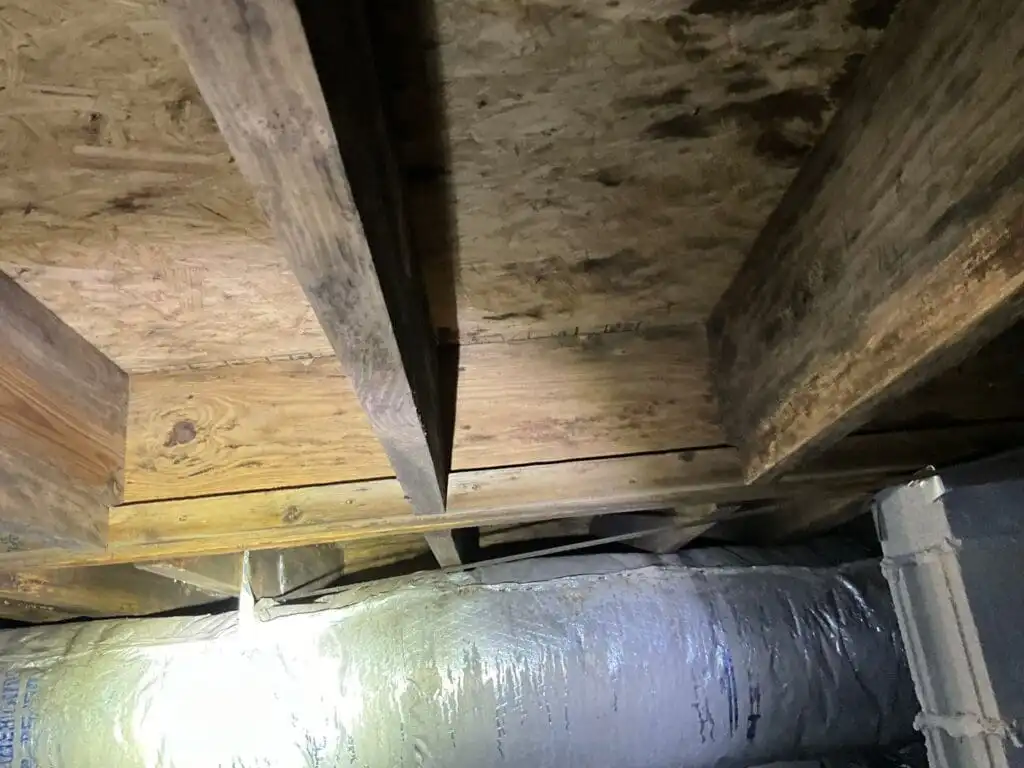
When people think of winter prep, they usually focus on heating systems, pipes, and weather stripping. But there is one area that gets overlooked until it becomes a major and expensive problem: your crawl space.
In Augusta and the greater CSRA region, crawl spaces are standard under homes built from the 1950s through the 1990s, and many have not been meaningfully inspected in years. As temperatures drop and seasonal rains increase, hidden moisture builds up in ways most homeowners never see until the damage is already done.
Why CSRA Crawl Spaces Are Vulnerable in Winter
The Augusta area does not have the dry winters common in northern states. Fall and early winter bring steady rainfall, and overnight temperatures can swing 20 to 30 degrees between afternoon and early morning. That temperature differential is exactly what produces condensation in crawl spaces.
Most crawl spaces in the CSRA still use a vented design, where exterior vents are meant to allow air circulation. In practice during winter, cold outdoor air meets the warmer, moisture-laden air rising from the soil, producing persistent condensation on floor joists, insulation, and ductwork even when it has not rained in days. Older homes frequently have undersized or missing vapor barriers on the crawl space floor, which means ground moisture evaporates directly into the air space under your home throughout the season.
According to both the EPA and the CDC, damp indoor environments promote mold growth and are linked to respiratory problems including asthma and allergic reactions. When up to 50 percent of the air on your first floor comes from the crawl space below, moisture under your home directly affects the air your family breathes.
The Hidden Costs of Ignoring Crawl Space Moisture
Ignoring winter crawl space problems can lead to:
- Mold growth on insulation, beams, and subflooring
- Wood rot and structural weakening of floor joists and support beams
- Higher energy bills from damp insulation that has lost its insulating value
- Pest problems, especially rodents and termites attracted to damp wood
- Poor indoor air quality affecting allergies and asthma throughout the home
Moisture damage compounds over time. A crawl space that holds moisture through winter and into a humid Georgia spring can develop extensive mold growth well before anyone thinks to look. Catching the problem now saves money and prevents structural damage from spreading.
Winter Moisture Warning Signs in Crawl Spaces
Crawl space problems are most active in winter, which makes it a good time to schedule an inspection. Watch for these signs:
- Musty or damp smells coming from floor vents or below the floors
- Soft, sagging, or bouncy flooring above the crawl space area
- Visible moisture or white mineral deposits on foundation walls
- Rusted ductwork, pipe fittings, or metal hangers
- Increased indoor allergy symptoms without another clear cause
- Condensation on ground-floor windows or cold wall surfaces
If you are not sure how to safely access your crawl space, or if it is too low or confined to check yourself, that is exactly the situation where a professional inspection makes sense. By the time flooring feels soft or odors become obvious indoors, mold may have been growing on structural wood for months.
Why Winter Is the Right Time to Act
Many homeowners plan to check their crawl space when the weather warms up. The problem is that by spring, any mold that started growing in fall or winter has had months to establish itself on wood and insulation. Georgia and South Carolina springs also bring humidity levels back up quickly, which accelerates growth further before most homeowners ever look.
Scheduling an inspection in winter, when moisture sources are active, gives inspectors the clearest picture of where water is actually getting in. Condensation and drainage problems are visible in real time rather than leaving only dried evidence for a later inspection.
The Role of Vapor Barriers
A vapor barrier is a plastic or foil sheet installed on the crawl space floor to block ground moisture from entering the air space under your home. In theory, it controls the source of the problem. In practice, many CSRA crawl spaces have barriers that are too thin, improperly overlapped, torn by pest activity, or missing in sections. Even a small gap allows significant moisture transfer over a full winter season.
A professional inspection includes assessing the condition and coverage of any existing vapor barrier. If damage is found, repairs are straightforward and far less expensive than addressing the mold growth that results from a winter of unchecked moisture.
How EnviroPro 360 Can Help
At EnviroPro 360, we specialize in moisture detection, mold testing, and indoor air quality assessment across Augusta, Evans, North Augusta, and the surrounding CSRA communities. Our inspectors use calibrated moisture meters, thermal imaging cameras, and mold air sampling to identify:
- Active moisture intrusion from ground vapor, drainage problems, or leaking pipes
- Condensation patterns on joists, insulation, and ductwork
- Mold colonies on structural wood and HVAC components
- Gaps or deterioration in any existing vapor barrier
You receive a detailed written report that identifies specific problem areas, moisture readings, and recommended next steps. That report can be shared directly with a contractor if repairs are needed. Same-day or 24-hour appointments are available across the CSRA.
Don’t Let Crawl Space Moisture Linger This Winter
Crawl space moisture rarely resolves on its own. If you have noticed any of the warning signs above, or simply have not looked under your home recently, schedule an inspection before the problem grows. Contact EnviroPro 360 to schedule your crawl space moisture inspection today.