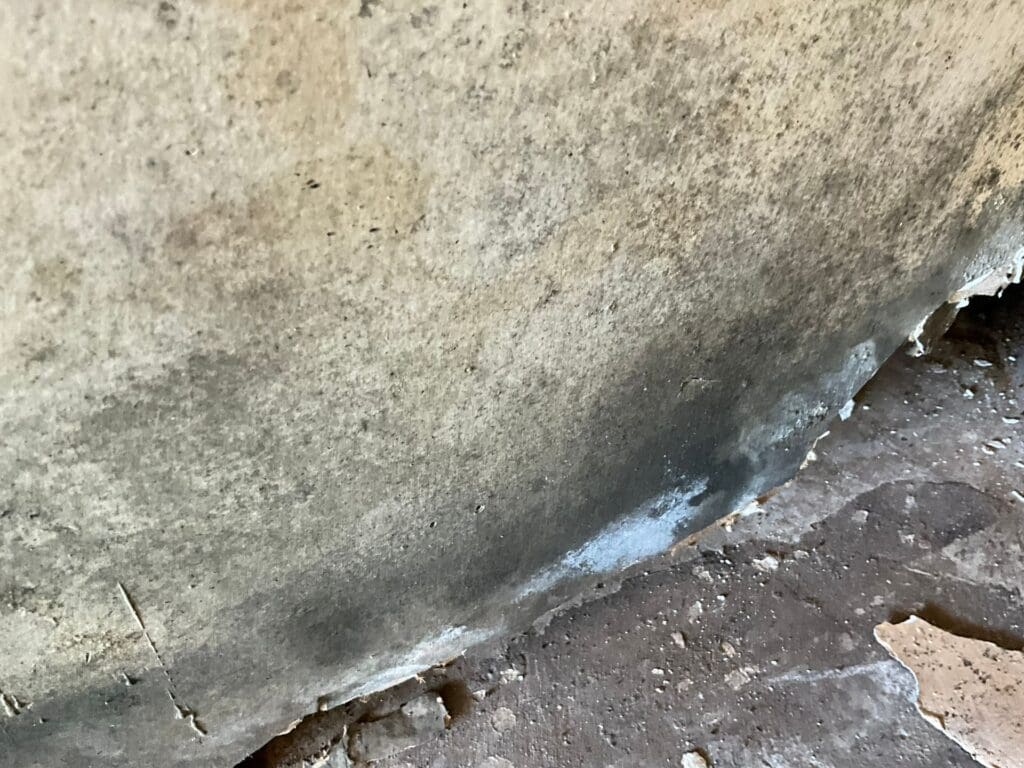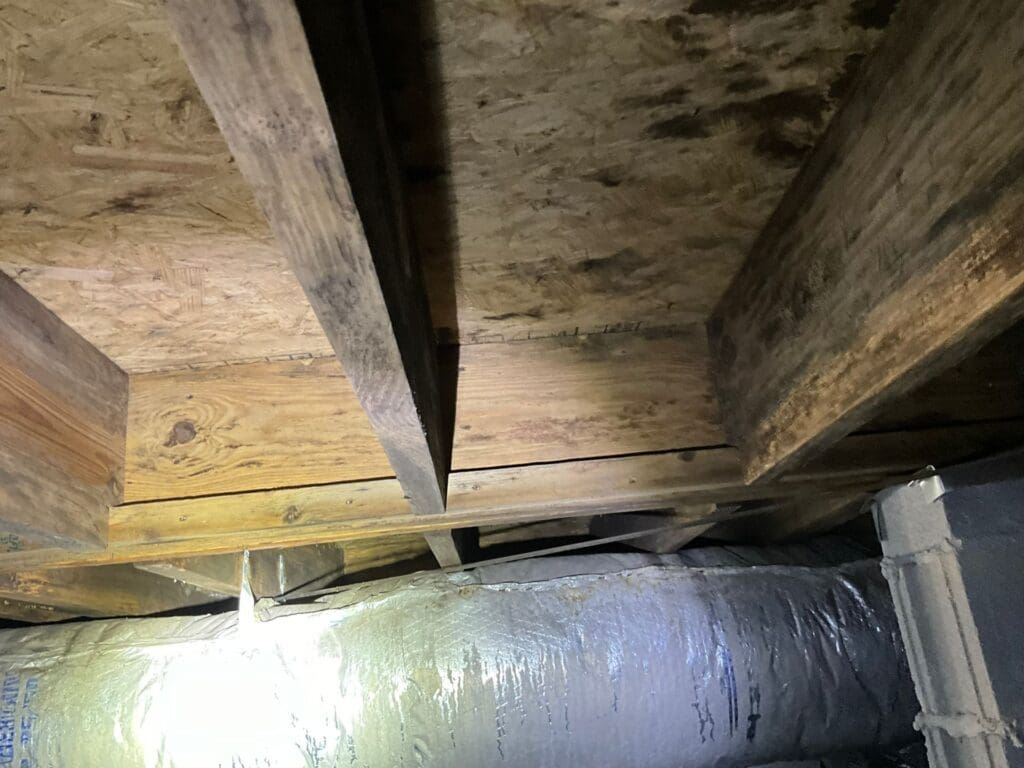
When a homeowner discovers significant mold growth, one of the first calls is usually to the insurance company. The second call is often to a public adjuster or attorney, because the initial conversation with the insurance company did not go the way the homeowner expected.
Mold coverage is one of the most contentious areas of homeowners insurance, and the gap between what policyholders assume they are covered for and what their policy actually covers tends to be significant. Understanding where that gap exists, and why professional testing and documentation affects the outcome of a claim, can change what happens when you need to file one.
The Basic Framework of Mold Coverage
Most standard homeowners insurance policies cover mold only if it results from a covered peril. The covered peril language is the key. A “covered peril” typically means a sudden and accidental event: a burst pipe, an appliance failure that floods a room, storm water that enters through a roof damaged by wind. If mold is the direct result of one of those events, your policy may cover mold remediation as part of the overall claim.
What is generally not covered is mold resulting from:
- Long-term moisture conditions that the insurer characterizes as maintenance failures
- Gradual leaks that developed over time without being repaired
- Condensation from poor ventilation or HVAC problems
- Flooding from outside the home in most standard policies (flood insurance is separate)
- Humidity-related moisture intrusion without a discrete, sudden event
The distinction between “sudden and accidental” water events and “gradual” moisture problems is where most mold claim disputes arise. An insurer looking at extensive mold growth will often argue that the growth represents a chronic moisture condition that the homeowner should have identified and addressed, rather than the result of a single covered event. Whether that argument holds up depends on the facts of the situation and on what documentation exists.
Policy Limits and Sublimits
Even when mold damage is covered as part of a covered peril claim, many policies now include a mold sublimit: a cap on the total the insurer will pay for mold-related remediation, regardless of the overall dwelling coverage limits. Sublimits of $5,000 to $10,000 for mold are common. In cases where significant mold growth has developed through wall cavities, across subfloor materials, or in HVAC systems, remediation costs can exceed these limits substantially.
Some insurance companies offer expanded mold coverage as a rider or endorsement for an additional premium. If you live in a high-humidity climate like Augusta’s, where the baseline mold risk is elevated and moisture management requires active attention, reviewing your policy for mold coverage limits and asking about available endorsements is a reasonable step to take before you have a claim.
Why Documentation Changes the Outcome
In a mold insurance claim, you are presenting the insurer with a narrative about what happened. The claim essentially argues: here is the event that caused this damage, here is when it occurred, here is what the damage is. The insurer’s adjuster evaluates your narrative against the available evidence and the policy language.
Without professional documentation, your narrative has gaps. You have visible mold. You have a repair receipt, maybe, from a plumber or roofer who fixed the underlying water source. But you may not have:
- A professional assessment of the extent of mold growth, including areas not visible during casual inspection
- Laboratory results identifying the mold species and spore concentrations
- A documented timeline connecting the mold growth to a specific moisture event
- A remediation scope developed by a qualified inspector, rather than generated by a remediation contractor whose financial interest is in the scope being as large as possible
Professional mold testing and inspection before and after a water event creates documentation that establishes the timeline, the extent, and the connection between cause and effect. The EPA’s guidance on mold remediation notes that post-remediation verification testing is standard practice for commercial projects; for residential claims, having that verification gives you something to show the insurer that remediation was complete.
The Adjuster’s Perspective
Insurance adjusters are looking for two things in a mold claim: evidence that the mold results from a covered event, and evidence about the extent of damage. Both are areas where documentation from a qualified environmental professional strengthens your position.
On the covered event side, a professional inspection can identify conditions that explain why the mold growth pattern is consistent with a sudden event rather than chronic moisture. Mold that is concentrated in a specific area, at a specific depth in wall materials, and that is a species consistent with rapid water intrusion tells a different story than mold spread diffusely throughout a structure over time.
On the extent of damage, an independent assessment by a qualified inspector gives you a scope of remediation that is not generated by the remediation contractor whose revenue depends on the scope being large. Insurers are accustomed to, and appropriately skeptical of, scopes produced by contractors whose income depends on the estimate. An assessment from a testing professional without a financial interest in the remediation work is more persuasive.
After a Water Event: What to Do
If you have a significant water event in your home, such as a burst pipe, appliance failure, or storm-related water intrusion, the steps you take in the first few days significantly affect both your mold risk and your ability to document a claim.
Document the event immediately. Photographs and video of the water source, the water intrusion, and the affected areas, taken before cleanup begins, establish the baseline. Your phone’s camera creates files with timestamps that support your timeline.
Report to your insurer promptly. Most policies require timely notification of a loss. Waiting weeks to report can give the insurer grounds to argue that your delay contributed to the extent of the mold damage.
Address the water source first. Stop the leak or intrusion before anything else. Mold cannot be remediated effectively while the moisture source is still active.
Get professional drying documentation. If a water damage restoration company dries the structure, they should provide moisture readings showing the structure was dried to appropriate levels. Incomplete drying is the most common cause of mold growth after a water event that was initially addressed.
Consider independent mold testing before remediation begins. If there is any likelihood of a coverage dispute, having an independent mold assessment completed before remediation begins gives you documentation of conditions that the remediation will erase.
The Common Mistake
The most common mistake homeowners make in mold insurance situations is relying entirely on the remediation contractor to assess the extent of the problem and produce the documentation for the claim. Remediation contractors are skilled at their work, but their business is performing remediation. They are not independent inspectors, and their documentation reflects that.
The more defensible approach is to separate the assessment and testing function from the remediation function. An environmental testing professional identifies what is there and documents it. A remediation contractor addresses it. A post-remediation test confirms the work is complete. This structure gives you documentation that is generated by parties with different financial interests, which makes the documentation more credible to both the insurer and to you.
If you have experienced water damage in your Augusta home and want to understand what mold testing can tell you before you proceed with remediation or a claim, the EnviroPro 360 team is glad to help. Reach out any time.