If you are searching for certified mold testing in Augusta, you are probably looking for something specific: a result you can trust. Not a quick look, not a guess, and not a vague answer that leaves you unsure what to do next.
“Certified mold testing” should mean the inspection follows recognized best practices, uses proper sampling methods when appropriate, and produces lab-backed results that are understandable and usable for homeowners, landlords, property managers, and businesses.
Here is what certified mold testing standards typically involve, what to watch out for, and why it matters.
Certified mold testing starts with moisture, not just mold
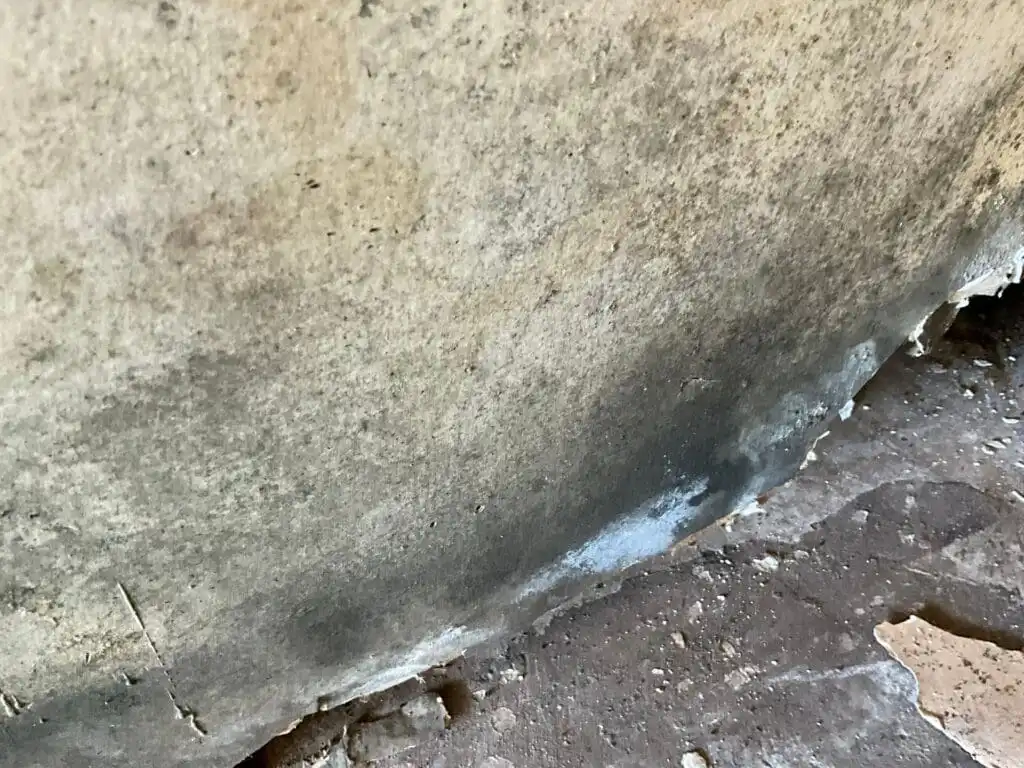
A common mistake is focusing only on the visible spot. Mold is usually a symptom of moisture, so a proper inspection should prioritize identifying moisture sources first.
A core standard in mold work is that moisture control is the key to mold control, and water-damaged areas should be dried promptly. The EPA notes it is important to dry water-damaged areas and items within 24 to 48 hours to prevent mold growth.
That is why certified inspections typically include moisture detection tools such as moisture meters and sometimes thermal imaging to locate hidden dampness.
Indoor humidity targets are part of “standard” mold prevention
A professional mold evaluation often includes humidity readings because humidity helps determine whether conditions are supporting growth.
The EPA recommends keeping indoor humidity below 60%, ideally between 30% and 50%.
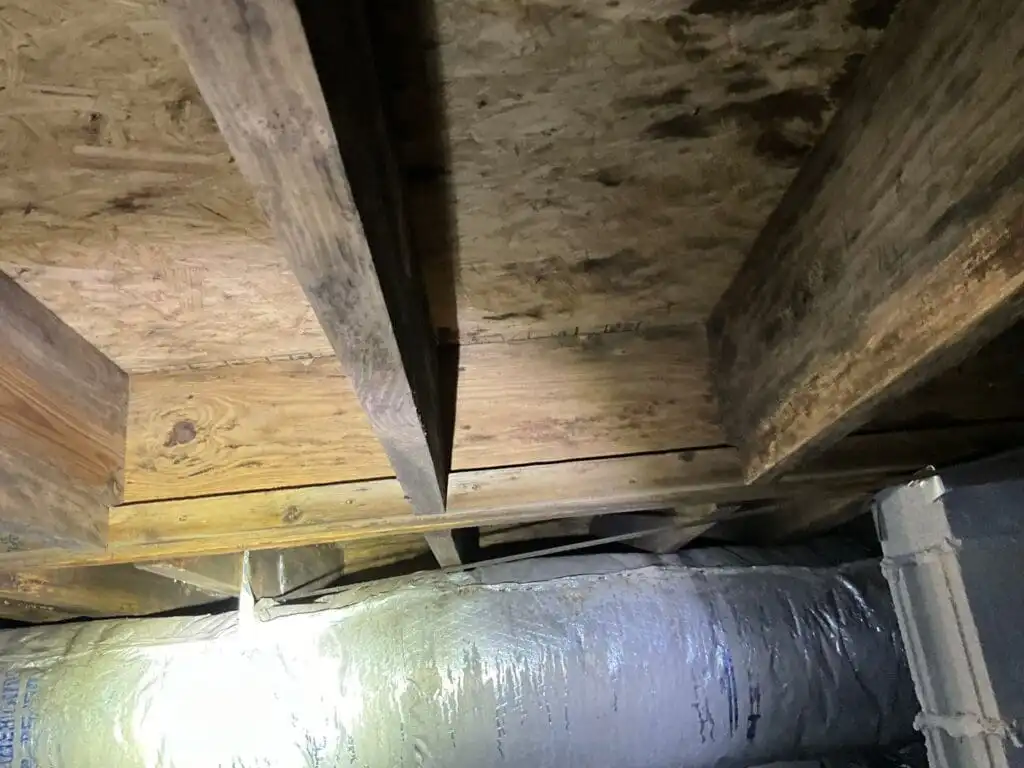
If a property routinely measures above that range, it increases the likelihood of mold growth in common hidden areas like closets on exterior walls, crawl spaces, attics, and behind furniture.
What “standard” mold testing actually looks like
Certified mold testing usually includes:
- Interview and history review (leaks, odors, health complaints, prior repairs)
- Visual inspection of high-risk areas (bathrooms, kitchens, HVAC, attic, crawl space)
- Moisture mapping (moisture readings in building materials)
- Targeted sampling when needed, typically:
- Air sampling in key rooms
- Surface sampling of suspicious growth
- Lab analysis from a qualified lab and a written report with clear findings
A recognized professional framework for mold remediation is the ANSI/IICRC S520 standard, which describes procedures and precautions for mold remediation work, and is widely referenced across the industry.
Even when your immediate need is testing, it matters because proper testing supports proper remediation planning and post-remediation verification.
Why standards matter for health concerns
This is not medical advice, but mold is often linked to indoor dampness conditions that can affect respiratory health.
A widely cited public health finding estimates that 21% of current asthma cases in the U.S. may be attributable to dampness and mold exposure in homes.
That is one reason certified inspection methods matter. They help identify whether moisture and mold conditions exist, and whether further action is justified.
Why Augusta’s climate raises the stakes for certified testing
Augusta and the CSRA sit in a climate zone that creates near-ideal conditions for mold: hot summers, persistent humidity, and homes built with crawl spaces that pull in ground moisture year-round. Low-lying neighborhoods in Martinez, Hephzibah, and along the Savannah River corridor hold moisture in building materials longer than drier climates allow.
That means testing in Augusta carries more weight than a quick visual walk-through. A certified inspector here should account for crawl space vapor intrusion, attic condensation from poor ventilation, and HVAC systems that run most of the year and can distribute spores throughout a property when contamination is present at the air handler or return vents.
How EnviroPro 360 approaches certified mold testing in Augusta
EnviroPro 360 focuses on lab-backed environmental testing and clear reporting, including:
- Mold inspections and testing
- Moisture detection and source identification
- Indoor air quality assessments
- Post-remediation verification testing
If you are in Augusta, Evans, Martinez, Grovetown, North Augusta, or nearby CSRA areas, a certified inspection should leave you with a clear answer and a clear next step.
To schedule a certified mold inspection in Augusta, Evans, Martinez, Grovetown, North Augusta, Aiken, or anywhere in the CSRA, contact EnviroPro 360. We provide lab-backed results and clear reporting so you know exactly what you are dealing with and what to do next.