Every Thanksgiving, a family in Evans opens up the guest bedroom for the first time since spring. The room has been closed off, vents partially shut to save on heating costs. Within an hour of the first overnight guest settling in, the sneezing starts. By morning, someone has taken allergy medication and is wondering whether they caught a cold on the drive down.
This pattern repeats across Augusta and the CSRA during every major holiday season. The guest room, not the kitchen or the living room, is often where indoor air quality problems become impossible to ignore. Understanding why helps you address it before the holidays rather than during them.
Why Guest Rooms Concentrate Mold and Allergen Problems
Rooms that sit unused for months develop conditions that regularly occupied, well-ventilated spaces do not. Several factors converge specifically in guest rooms:
Reduced airflow. When homeowners close vents or doors in spare rooms to save on heating and cooling costs, they eliminate the air circulation that removes moisture. Stagnant air allows relative humidity to rise in a localized zone even when the rest of the house is within normal range. According to the EPA, controlling moisture is the key to controlling mold, and rooms with restricted airflow cannot do that effectively.
Accumulated allergens. Rooms cleaned less frequently accumulate settled dust, dander from pets that have visited the space, insect fragments, and cellulose from books, cardboard, or stored materials. These particles settle into carpeting, upholstered furniture, and fabric headboards where they sit undisturbed until the mattress is sat on or the pillows are rearranged for guests.
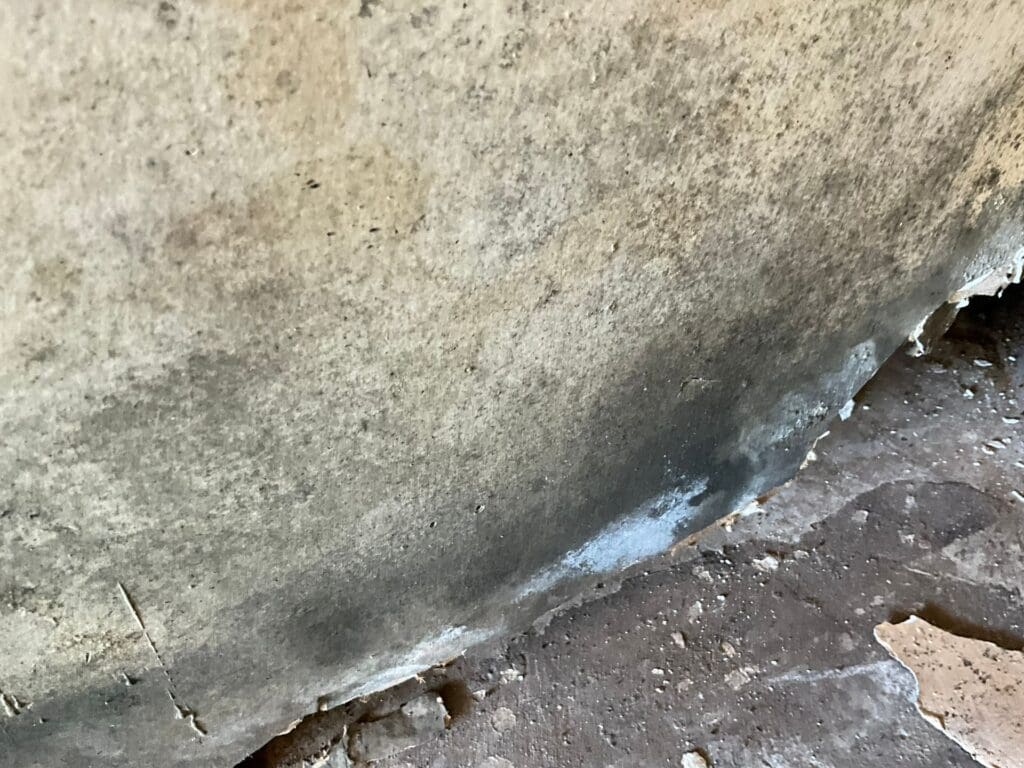
Microclimates near exterior walls. Guest rooms are often located at corners of the house where two exterior walls meet. In Georgia’s climate, exterior walls during fall and winter can be significantly cooler than interior surfaces. Warm, humid indoor air meeting those cooler walls creates the condensation conditions that allow mold to establish on drywall backing, baseboards, and the backs of furniture pushed against the wall.
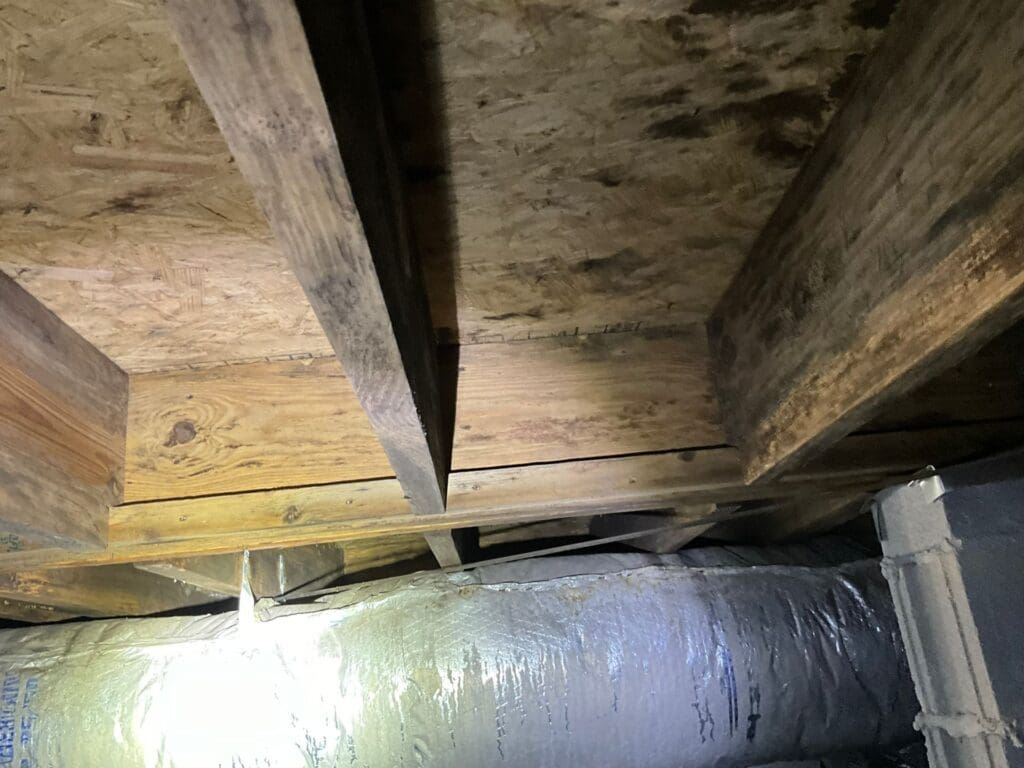
HVAC system disturbance. When the heat or air conditioning runs in a room that has been sealed for months, it circulates whatever has settled in the ductwork and the vent covers. Mold spores and allergen particles that were sitting undisturbed become airborne and concentrated in a small space where someone will spend eight hours breathing deeply.
Who Is Most Affected
The CDC identifies children, elderly individuals, people with asthma or existing allergies, and anyone with a weakened immune system as more sensitive to indoor mold exposure. Holiday gatherings often bring exactly these guests into the home at once. A child who is fine all day in the living room may have a miserable night in the guest room because their respiratory system reacts more strongly to airborne mold spores or allergens than an adult who tolerates the same conditions.
Pets sometimes signal the problem first. A dog or cat that normally sleeps anywhere in the house may avoid a room with elevated mold or allergen concentrations.
Where to Look in the Guest Room
Before visitors arrive, a focused check of these areas can identify problems that basic cleaning misses:
- HVAC vents and return air grilles for visible dust buildup or dark discoloration around the edges
- Baseboards and trim along exterior walls, particularly in corners, for dark spots or staining
- The wall area behind and under furniture pushed against exterior walls
- Window sills and the surrounding wall area for condensation staining
- Closet walls and ceiling for musty odors, particularly if the closet shares a wall with a bathroom
- Ceiling corners where two exterior walls meet
Steps to Take Before Guests Arrive
Two to three weeks before a major holiday visit is enough lead time to address most guest room air quality issues:
- Restore normal airflow by reopening vents and keeping the door open for at least several days before the visit
- Run the HVAC system with the room open so ductwork can flush out before guests sleep there
- Wash all bedding, curtains, and any soft furnishings that have been sitting undisturbed
- Vacuum the mattress surface, the carpet, and any upholstered furniture, using a HEPA filter vacuum if available
- Check for musty odors after airing out — if the smell persists, address the source rather than masking it with sprays or candles
If a musty odor remains after the room has been aired out for several days, or if there are visible stains on walls or ceilings, surface cleaning will not solve the problem. The moisture source needs to be identified.
When to Schedule a Professional Assessment
If a guest room consistently triggers symptoms in visitors, or if the same guests who sleep fine elsewhere wake up congested or symptomatic in your home, professional testing provides answers that cleaning cannot. EnviroPro 360 offers mold inspections and indoor air quality testing for specific rooms as well as whole-home assessments, including air sampling, surface sampling, and allergen identification.
We serve homeowners across Augusta, Evans, Martinez, Grovetown, North Augusta, and Aiken. If a guest room problem has repeated for more than one holiday season, the pattern is the problem, not the season. Contact us to schedule an inspection before your next set of visitors arrives.