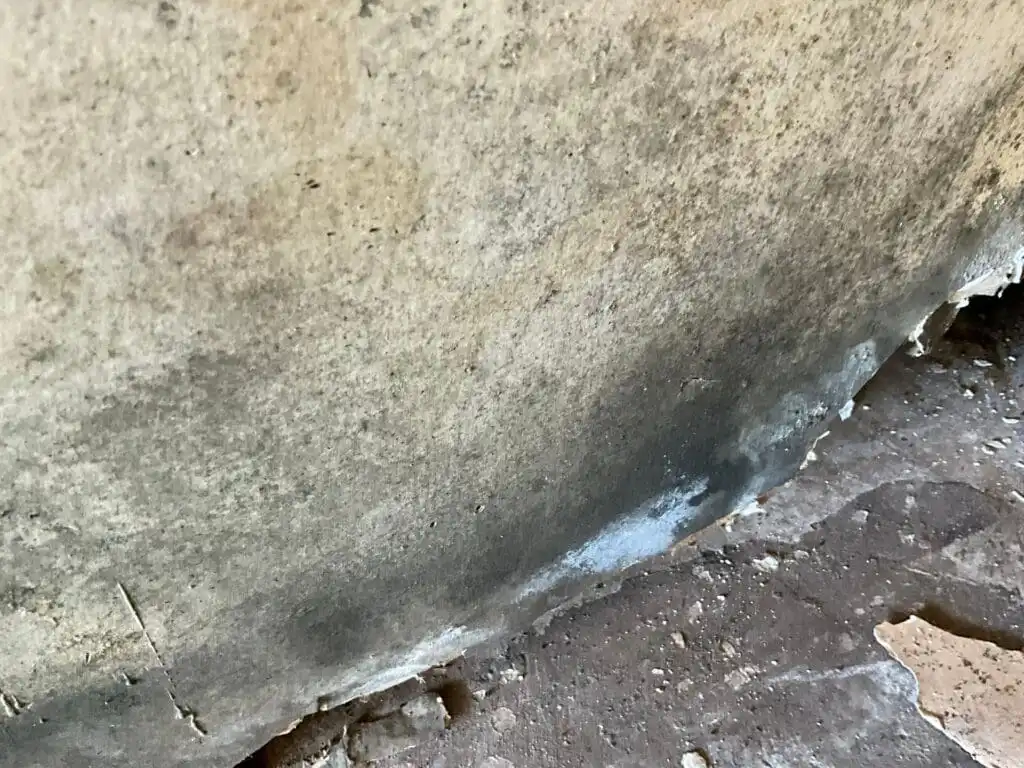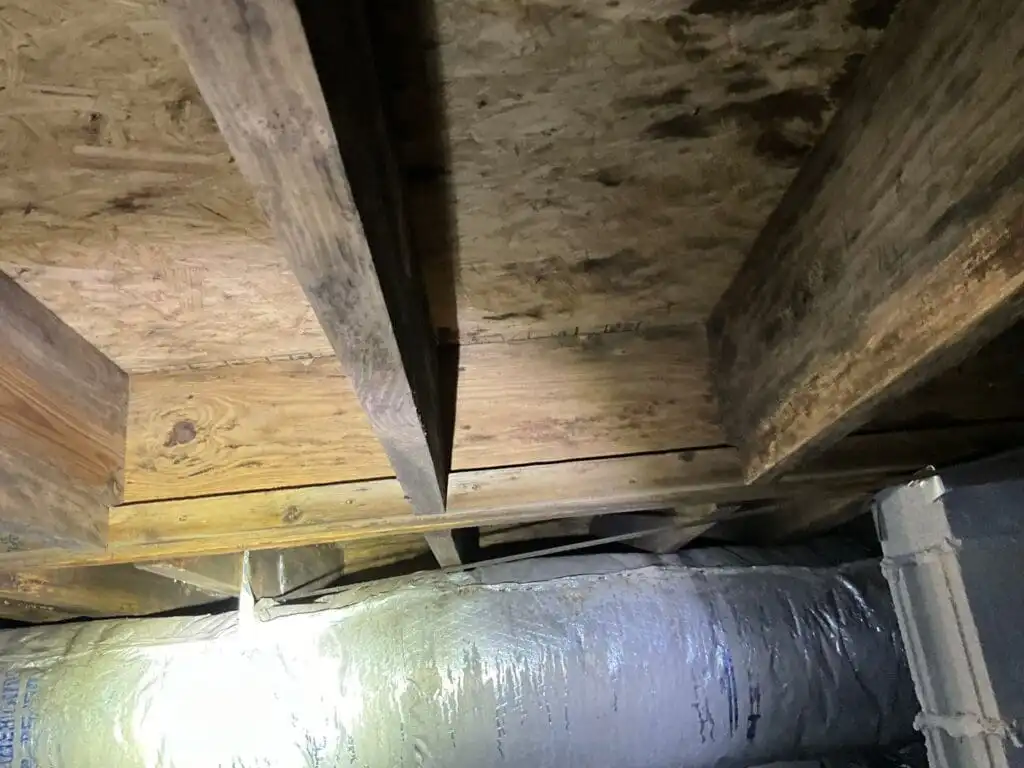
Real estate transactions in Augusta and the CSRA move quickly, and the issues that derail them at the last minute are often environmental. Mold is one of the most common.
In a hot, humid climate, mold establishes in crawl spaces, wall cavities, attic spaces, and HVAC components across homes of every age and price range. When it surfaces during a general home inspection, buyers and sellers are left with an incomplete picture: the inspector can note visible discoloration or elevated moisture readings, but cannot classify the mold species, quantify airborne spore concentrations, or provide documentation sufficient for lender review or renegotiation.
Realtors who incorporate certified mold testing into their standard workflow reduce the risk of last-minute surprises, protect their clients from post-sale liability, and differentiate themselves as professionals who anticipate problems rather than react to them.
What General Home Inspectors Cannot Provide
A licensed home inspector is trained to identify visible signs of water intrusion and note areas of potential concern. What a general inspection cannot provide:
- Species identification of mold colonies present on surfaces or in air samples
- Airborne spore concentration data from AIHA-accredited laboratory analysis
- Moisture mapping of concealed areas behind walls or beneath flooring
- Documentation that meets lender, insurance carrier, or legal standards
A certified mold assessment fills that gap. It provides lab-verified data with chain-of-custody documentation, the standard that lenders, attorneys, and insurance adjusters require when a property has a disclosed or suspected mold condition.
How Mold Testing Protects Buyer Clients
Consider a buyer purchasing a 1990s-era home in Evans, Georgia. The general inspection notes evidence of prior moisture in the crawl space but cannot confirm whether active mold growth is present. Without a certified assessment, the buyer faces two options: accept the uncertainty or walk away. Neither outcome serves the transaction or the client.
A pre-closing mold inspection from a certified third-party assessor gives the buyer:
- Air and surface sample results that confirm whether mold is present and at what concentration
- Identification of the affected areas and the probable moisture source
- Documentation that supports a request for repair credit or purchase price adjustment
- A baseline condition report they can reference if issues arise after closing
According to the EPA, mold can grow on virtually any building material given sufficient moisture, and many growth sites remain hidden behind finished surfaces. Buyers who receive a clear report from an independent assessor have objective information to work from during negotiation, not guesswork or emotional pressure.
How Pre-Listing Testing Protects Seller Clients
For seller agents, a pre-listing mold inspection is a proactive disclosure tool. A seller who tests before going to market can:
- Identify and address existing mold conditions before buyer due diligence begins
- Disclose any prior remediation with supporting documentation from an independent assessor
- Market the property with a clean inspection report as a competitive differentiator
- Reduce the likelihood of contract contingencies or renegotiations tied to environmental concerns
In Georgia, sellers are required to disclose known material defects. A documented pre-listing assessment demonstrates due diligence and reduces exposure to post-sale disputes. A seller who discovers a minor crawl space mold issue before listing can have it remediated and obtain post-remediation clearance testing, entering the market with a complete condition record rather than an unresolved question mark.
The Cost of Mold Discovered Late in the Transaction
When mold surfaces during buyer due diligence rather than before listing, the impact on the transaction compounds quickly. Common outcomes include renegotiated purchase price, delayed closing timelines, financing complications when lenders require remediation before funding, and in some cases, contract cancellation during the inspection period.
According to the CDC, indoor mold is a recognized health concern that affects a wide range of occupants, including those with no prior respiratory history. Buyers who become aware of a potential mold condition late in the process often respond with caution even when the actual condition is minor. A pre-existing independent assessment gives both parties factual data to work from, which typically produces faster and more rational resolution.
What EnviroPro 360 Provides to Real Estate Professionals
EnviroPro 360 is an independent mold testing and inspection company serving Augusta, Evans, Grovetown, North Augusta, and the broader CSRA region. We do not perform mold remediation. Our role is assessment and documentation, which means our reports are objective and carry no conflict of interest with any remediation work that may follow.
Our services for real estate transactions include:
- Air and surface sampling with AIHA-accredited laboratory analysis and written findings
- Moisture mapping and thermal imaging to identify concealed conditions
- Pre-listing inspection reports formatted for seller disclosure packages
- Post-remediation clearance testing with before-and-after documentation
- Scheduling that fits due diligence periods and inspection contingency timelines
We coordinate directly with remediation contractors when needed to ensure that clearance testing is performed independently after work is complete. This protects both the seller’s representation and the buyer’s acceptance of the finished condition.
Building a Referral-Worthy Reputation
Clients in the Augusta market remember how their transaction felt. An agent who identified a potential issue early, connected them with a certified inspector, and guided them through objective data rather than uncertainty is one they recommend to friends and family.
Environmental due diligence is increasingly expected by buyers, not a value-add. Realtors who incorporate certified mold assessment into their standard buyer and seller checklist position themselves as professionals who protect their clients’ investments, not just facilitate their transactions.
To discuss how EnviroPro 360 can support your clients before, during, or after a real estate transaction, contact us or call 803-866-4704. We work within real estate timelines and provide documentation your clients can act on.