EnviroPro 360 Blog

Explore the EnviroPro 360 Blog for expert insights on environmental testing in Georgia and South Carolina, from mold to radon and beyond.

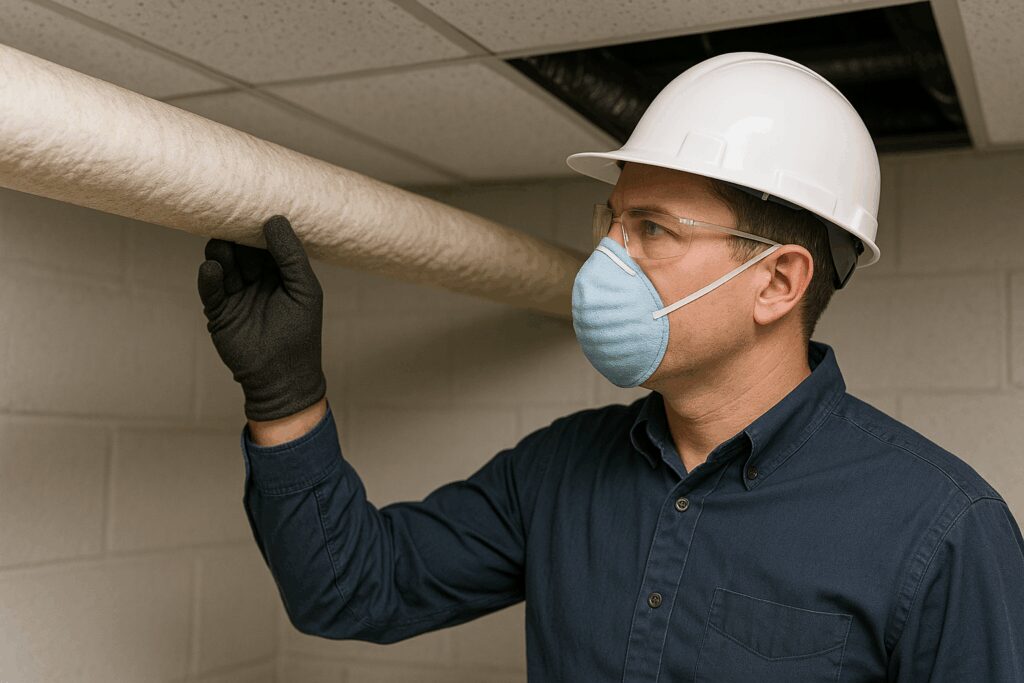
If your property was built before 1980, that “old insulation” could be asbestos. Learn how to recognize the warning signs and protect your building from hidden health risks.

The Hidden Health Risks of Old Insulation

Most asbestos exposure in commercial buildings doesn’t happen during formal demolition projects. It happens during routine maintenance — a plumber cutting into insulated pipe, an HVAC technician repositioning ductwork, a contractor removing a ceiling tile. The asbestos was already there, often in plain sight, and no one thought to question it. If you manage or

The Hidden Health Risks of Old Insulation Read More »
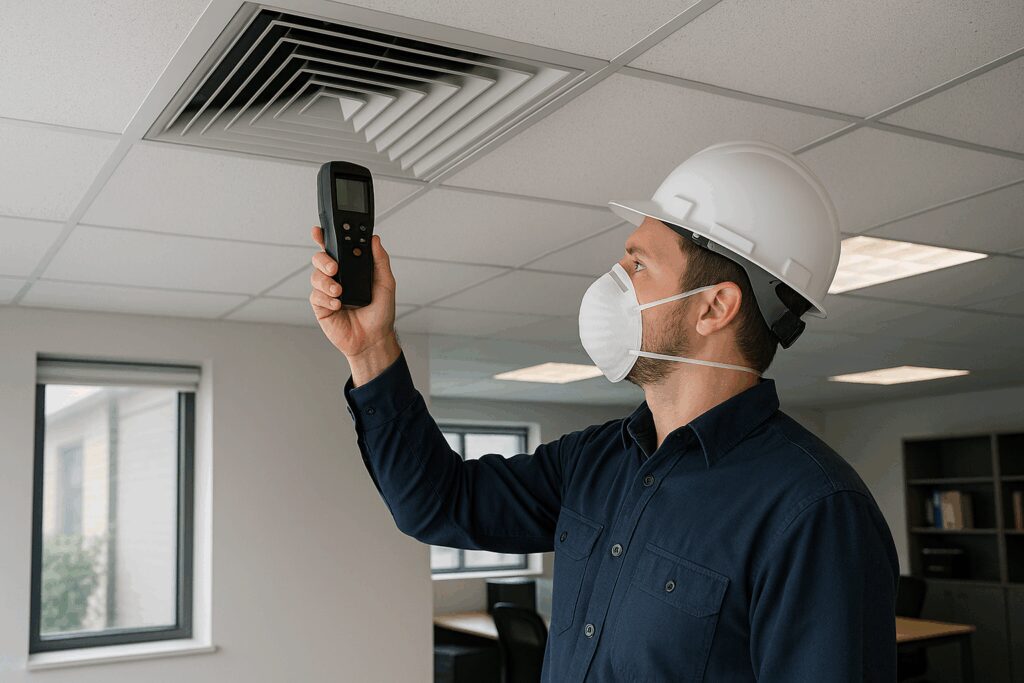
Musty smell at the office? It might not be “just the carpet.” Learn how to spot early signs of workplace mold before it impacts employee health or productivity.

How to Tell If Your Workplace Has a Mold Problem Before Employees …

Commercial buildings develop mold problems through the same mechanisms as residential properties — moisture intrusion, inadequate ventilation, and HVAC failures — but on a larger scale and with more complex consequences. In Augusta and the CSRA, where older commercial building stock intersects with a climate that delivers significant humidity and rainfall, mold in workplaces is

How to Tell If Your Workplace Has a Mold Problem Before Employees … Read More »

Holiday rainstorms can sneak water into your attic, walls, and crawl space. Use this post-rain checklist to catch leaks early and prevent mold growth before it starts.

Don’t Let Holiday Leaks Turn Into Mold: Post-Rain Inspection Ch …

Georgia and South Carolina get weather in November and December that homeowners outside the Southeast often underestimate. The CSRA does not have the hard freezes that protect northern homes from rain-related moisture intrusion, but it gets significant rainfall, occasional remnant tropical systems well into fall, and rapid temperature swings that drive condensation onto building materials.

Don’t Let Holiday Leaks Turn Into Mold: Post-Rain Inspection Ch … Read More »

Think your property’s safe? You might be breaking environmental laws without realizing it. Here’s what Georgia and South Carolina require for asbestos and mold testing.

Is Your Building Breaking the Law? Asbestos and Mold Regulations …

A building that looks clean and functional can still contain materials that put your employees at risk and your business in legal jeopardy. In Georgia and South Carolina, the regulations governing asbestos and indoor air quality are specific, enforceable, and apply whether or not you have ever had a complaint. Property owners who manage commercial

Is Your Building Breaking the Law? Asbestos and Mold Regulations … Read More »

Your crawl space could be trapping moisture this winter. Learn why the colder months are prime time for hidden mold, rot, and air quality issues in Augusta homes.

Is Your Crawl Space Ready for Winter? Moisture Problems That Go U …

When people think of winter prep, they usually focus on heating systems, pipes, and weather stripping. But there is one area that gets overlooked until it becomes a major and expensive problem: your crawl space. In Augusta and the greater CSRA region, crawl spaces are standard under homes built from the 1950s through the 1990s,

Is Your Crawl Space Ready for Winter? Moisture Problems That Go U … Read More »

Worried about hidden radon in your home? Trust EnviroPro 360 to deliver fast, accurate testing and peace of mind. Schedule your inspection today!

Do Air Purifiers Really Help with Radon—Or Is That Just Hype?

Air purifiers have become a fixture in the home wellness market. Models equipped with HEPA filters, activated carbon, and ionization technology are sold in hardware stores and big-box retailers as a way to improve indoor air quality. For anyone who has recently learned about radon gas, it is natural to wonder whether one of these

Do Air Purifiers Really Help with Radon—Or Is That Just Hype? Read More »

Don’t Let a Simple Test Be the One You Skip.” Radon exposure can happen anywhere—even in your brand new home. Get peace of mind with expert testing from EnviroPro 360.

Your Upstairs Apartment Isn’t Safe from Radon—Here’s Why

A common assumption among apartment renters is that radon is a ground-floor problem. If a unit is on the second, third, or fourth floor of a building, many tenants assume radon risk is minimal or nonexistent. That assumption is understandable but incorrect. Radon can accumulate in upper-floor units under conditions that are more common than

Your Upstairs Apartment Isn’t Safe from Radon—Here’s Why Read More »

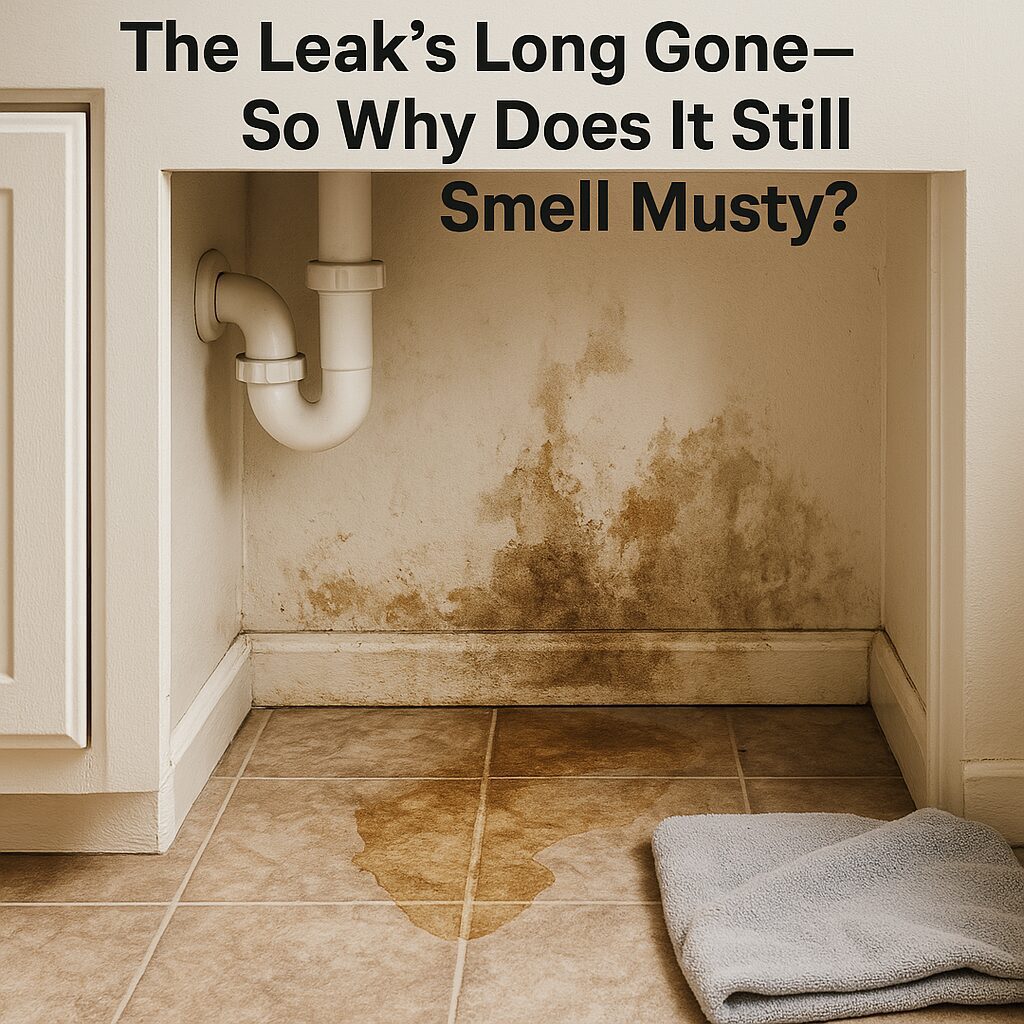
That Drip Could Be a Danger Zone." Leaks today, mold tomorrow. Don’t wait—EnviroPro 360 inspects rentals for hidden water damage and mold before it gets worse.

The Leak’s Long Gone—So Why Does It Still Smell Musty?

It’s Been Weeks Since the Leak… So What’s That Smell? Maybe your ceiling finally stopped dripping. The landlord patched the drywall. The bucket is gone. Crisis over, right? Not exactly. Just because the visible leak is gone doesn’t mean the danger is. Water has a sneaky habit of sticking around—in walls, behind baseboards, under floors—and

The Leak’s Long Gone—So Why Does It Still Smell Musty? Read More »

Scroll to Top