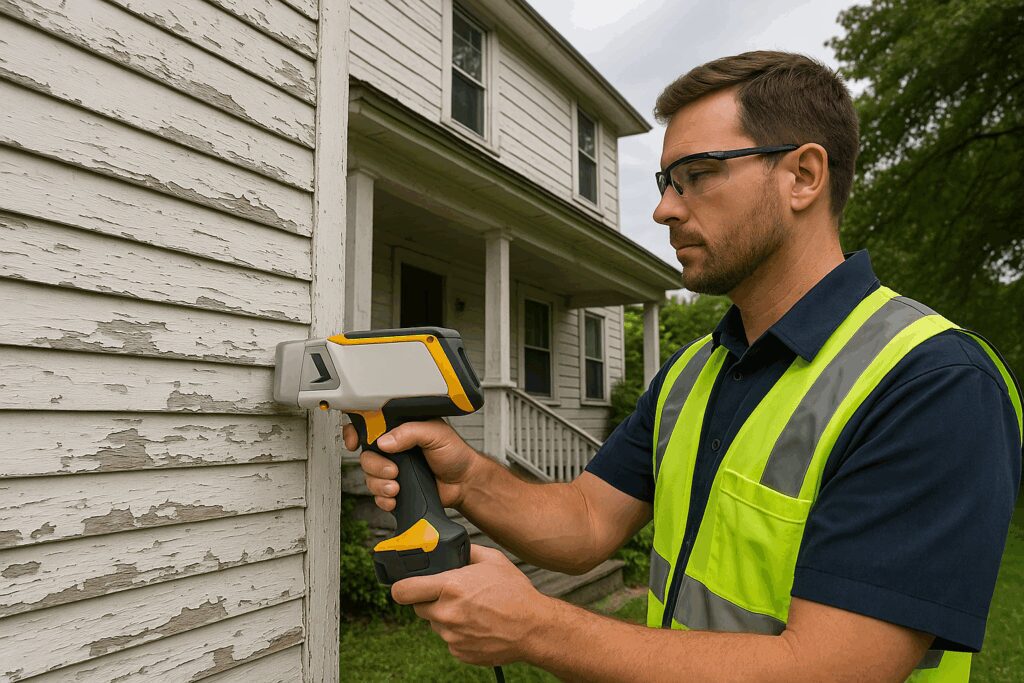
A buyer closes on an older home in Augusta, excited to start renovations. The house has charm, original trim, and the kind of historic character that is hard to find in newer construction.
Then the first project begins.
Paint starts peeling around a window frame. A contractor notices deteriorating paint near the porch. Someone asks the question no one asked before closing:
Was this home ever tested for lead-based paint?
For homes built before 1978, that question matters. Lead-based paint was commonly used in older residential properties, and federal law requires certain disclosures before a sale or lease. But here is where many buyers and sellers get confused:
A lead paint disclosure is not the same thing as a lead paint test.
If you are buying, selling, renovating, or representing a pre-1978 home in Augusta or the CSRA, here is what you need to know before closing.
Why 1978 Matters for Lead Paint
Lead-based paint was banned for residential consumer use in 1978. That means homes built before 1978 may contain lead-based paint, especially on windows, doors, trim, porches, stairs, railings, and other painted surfaces with years of wear.
The risk becomes more serious when paint is:
- Peeling
- Chipping
- Cracking
- Deteriorating
- Sanded, scraped, or disturbed during renovation
Lead hazards can also exist in dust and soil, not just painted surfaces. That is why older homes should be handled carefully, especially before remodeling, repair work, or other environmental testing services are needed.
What Federal Lead Paint Disclosure Law Requires
Federal law requires sellers, landlords, real estate agents, and property managers to provide specific information about known lead-based paint and lead-based paint hazards before buyers or renters sign a contract or lease for most housing built before 1978.
According to the EPA, buyers and renters must receive information about known lead and lead hazards before becoming obligated to buy or rent. This requirement comes from Section 1018 of Title X, the Residential Lead-Based Paint Hazard Reduction Act of 1992.
For home sales, that generally means sellers must:
- Provide the buyer with the EPA-approved lead hazard information pamphlet
- Disclose known lead-based paint or lead-based paint hazards
- Provide available records and reports
- Include required lead warning language in the contract
- Give buyers an opportunity to conduct a lead-based paint inspection or risk assessment, usually within a 10-day period unless another timeline is negotiated
Helpful official resources include the EPA’s page on real estate disclosures about potential lead hazards and HUD’s information on healthy homes and lead safety.
What the Disclosure Form Covers
A lead-based paint disclosure form is designed to document what the seller knows and what records are available.
It may include:
- Whether the seller has knowledge of lead-based paint
- Whether the seller has knowledge of lead-based paint hazards
- Whether prior reports or inspections exist
- Whether the buyer received the required pamphlet
- Whether the buyer received copies of available records
- Whether the buyer waived or accepted the opportunity for an inspection
This form matters because it creates a paper trail before the sale. It helps buyers understand known risks, and it helps sellers and agents show they followed the disclosure process.
What the Disclosure Form Does Not Do
Here is the part many people miss:
A disclosure form does not prove the home is lead-safe.
It only discloses known information. If the seller has no records, no prior testing, and no personal knowledge of lead paint, the disclosure may simply state that no known information is available.
That does not mean lead paint is not present.
It means no one has confirmed it.
This is why buyers should not treat a clean-looking disclosure form as the same thing as a lead paint test, especially when purchasing an older home with deteriorating paint or planned renovations.
Why Disclosure Is Not the Same as Testing
A disclosure answers:
What does the seller know?
Testing answers:
What is actually present?
Those are very different questions.
If a pre-1978 home has original painted surfaces, peeling paint, old windows, painted porches, or upcoming renovation plans, buyers may want independent testing before closing.
This is especially important when:
- Children may live in or visit the home
- A buyer plans to renovate right away
- Paint is visibly deteriorating
- There are old windows, doors, trim, or exterior painted surfaces
- The seller has no records of prior lead testing
If you need help evaluating older home risks before closing, EnviroPro 360’s additional environmental testing services can help identify concerns before they become expensive surprises.
What Lead Paint Testing Looks Like
Lead testing can involve different methods depending on the property, the surfaces, and the reason for testing.
Paint Chip Sampling
A small paint sample may be collected from a suspect surface and sent to a laboratory for analysis. This can help determine whether that specific paint layer contains lead.
Dust Wipe Sampling
Lead dust can be a major concern, especially around windows, floors, porches, and areas where painted surfaces create friction. Dust wipe sampling helps evaluate whether lead-contaminated dust is present on surfaces.
XRF Testing
XRF, or X-ray fluorescence, is a non-destructive method that can screen painted surfaces for lead without removing paint. It is often used by trained professionals for broader property assessments.
The right method depends on the situation. A buyer concerned about one deteriorating window may need a different testing approach than a contractor preparing for a major renovation.
Why This Matters in Augusta and the CSRA
Augusta has many older homes with character, especially in established neighborhoods and historic areas. Neighborhoods such as Summerville and Harrisburg include older housing stock where pre-1978 construction is common.
That does not mean every older home has dangerous lead hazards. It does mean buyers and sellers should approach these homes with realistic caution.
Lead paint may be intact and manageable in some cases. But once paint starts deteriorating, or once renovation work begins, the risk can change quickly.
A home that looks charming during a showing can become a safety concern during sanding, scraping, demolition, or window replacement.
What Georgia Buyers Should Ask Before Closing
If you are buying a pre-1978 home in Augusta or the CSRA, ask these questions:
- Was the home built before 1978?
- Has any lead-based paint testing ever been performed?
- Are there any records or reports available?
- Are there areas of peeling, chipping, or deteriorating paint?
- Are original windows, doors, stairs, railings, or porches still present?
- Has the seller completed the required lead-based paint disclosure?
- Do I have time to order an independent lead inspection before closing?
Do not wait until after closing if you already know renovations are planned.
When Buyers Should Slow Down or Walk Away
Not every lead concern should kill a deal. Many older homes can be safely managed when buyers understand the risk and plan correctly.
However, buyers should slow down and get expert guidance if:
- The seller cannot provide required disclosure documents
- There is extensive peeling or deteriorating paint
- Young children will live in the home
- Major renovations are planned immediately after closing
- A contractor has already warned that suspect materials may be present
- The seller refuses access for reasonable testing during due diligence
The goal is not panic. The goal is informed decision-making before the purchase becomes final.
What Sellers and Agents Should Remember
For sellers and agents, the safest approach is transparency.
If the home was built before 1978, lead disclosure is not optional for most residential sales. Sellers should gather any available records, complete the required disclosure, and avoid making claims they cannot support.
Agents should also understand that disclosure is not testing. If a buyer requests independent lead testing during due diligence, that request may be a reasonable part of evaluating an older property.
Clear documentation helps keep transactions moving and reduces the chance of conflict later.
Action Steps Before Closing
If lead paint is a concern, use this simple process:
- Request the required disclosure form
Make sure the seller provides the proper lead-based paint disclosure for pre-1978 housing. - Review all available records
Ask for prior inspections, reports, renovation documentation, or abatement records. - Order independent testing if needed
If the home has deteriorating paint, unknown history, or planned renovations, testing can provide clarity before closing. - Review the results before signing
Do not wait until after closing to understand whether lead hazards may affect your budget, renovation plans, or safety. - Plan renovations safely
If lead is present, work with qualified professionals who understand safe handling, containment, and cleanup requirements.
Get Answers Before You Close or Renovate
Older homes in Augusta and the CSRA can be beautiful, valuable, and full of character. They can also come with environmental concerns that are easy to miss during a fast-moving transaction.
A disclosure form tells you what is known. Testing helps reveal what is actually there.
If you are buying, selling, or preparing to renovate a pre-1978 home, EnviroPro 360 can help you take a safer, smarter next step with lead paint testing and other environmental testing services.
Before closing or starting renovations, contact EnviroPro 360 to schedule testing and get clear answers you can trust.
Safe Environment Begins with us.