If your home was built before 1978 and you are planning a renovation, lead paint is a legal and health consideration you cannot skip. The federal government banned lead-based paint for residential use in 1978, but an estimated 29 million U.S. housing units still contain it. In Augusta and the surrounding CSRA, where a large portion of the housing stock dates from the 1940s through the 1970s, lead paint in renovation projects is a routine reality — not an edge case.
Most homeowners understand that lead paint is a hazard when it is deteriorating. Fewer understand that a renovation project in a pre-1978 home can create a lead hazard even in surfaces that were previously intact and stable. The act of cutting, sanding, scraping, or demolishing painted surfaces is what generates the dust exposure that makes lead dangerous.
What the RRP Rule Requires of Contractors
The EPA’s Renovation, Repair and Painting (RRP) Rule sets mandatory requirements for contractors who perform renovation work in pre-1978 homes where a child under six or a pregnant woman resides. The rule also applies to pre-1978 child-occupied facilities. Under the RRP Rule:
- Contractors must be certified by the EPA as Renovation Firms, and the individual performing or directing the work must be a certified renovator
- Any renovation that disturbs more than 6 square feet of interior painted surface, or more than 20 square feet of exterior painted surface, triggers the rule
- Contractors must either test suspect painted components before disturbing them, or assume they contain lead and follow lead-safe work practices throughout the project
- At project completion, dust wipe clearance testing is required to confirm that lead dust levels are below EPA hazard thresholds before the area is returned to occupants
These thresholds are lower than most homeowners expect. Six square feet is roughly the size of a standard interior door on one side. Replacing one window, repairing a section of trim, or cutting into a wall for plumbing work can exceed the threshold. Contractors who violate the RRP Rule face civil penalties of up to $37,500 per violation per day.
What Surfaces Are Most Likely to Contain Lead
Lead paint was used on virtually every painted surface in pre-1978 homes, but certain surfaces carry higher risk during renovation because of where they are and how much paint accumulates on them over decades of repainting:
- Window frames, sills, and wells — high-friction surfaces that generate paint dust through use even before renovation begins
- Door frames, door stops, and jambs — similarly subject to friction wear
- Baseboards, trim, and built-in cabinetry — multiple layers of paint on intricate surfaces
- Exterior siding and trim — weathering accelerates deterioration and generates chips and dust in soil
- Plaster walls and ceilings — particularly in homes from before 1950
Any of these surfaces disturbed during renovation in a pre-1978 home should be treated as potentially lead-containing unless sampling has confirmed otherwise.
Testing Before Renovation: What It Accomplishes
Testing before a renovation project serves two distinct purposes. First, it identifies which specific surfaces contain lead-based paint, which allows you and your contractor to scope the work accurately. If only certain components test positive, non-affected areas can be worked on without RRP-level precautions, which reduces project cost and complexity.
Second, testing creates a documented record. For real estate transactions, insurance claims, or any future dispute over lead exposure, a certified inspection report from before work began is the clearest possible evidence that proper steps were taken. A verbal assurance that “we tested” is not the same as an accredited lab report.
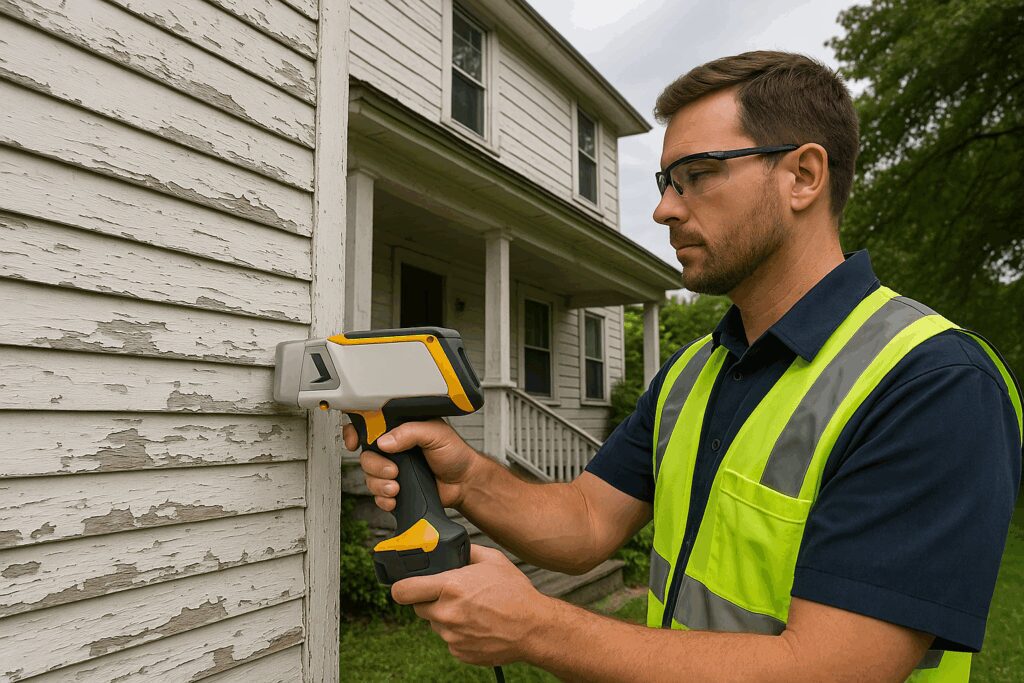
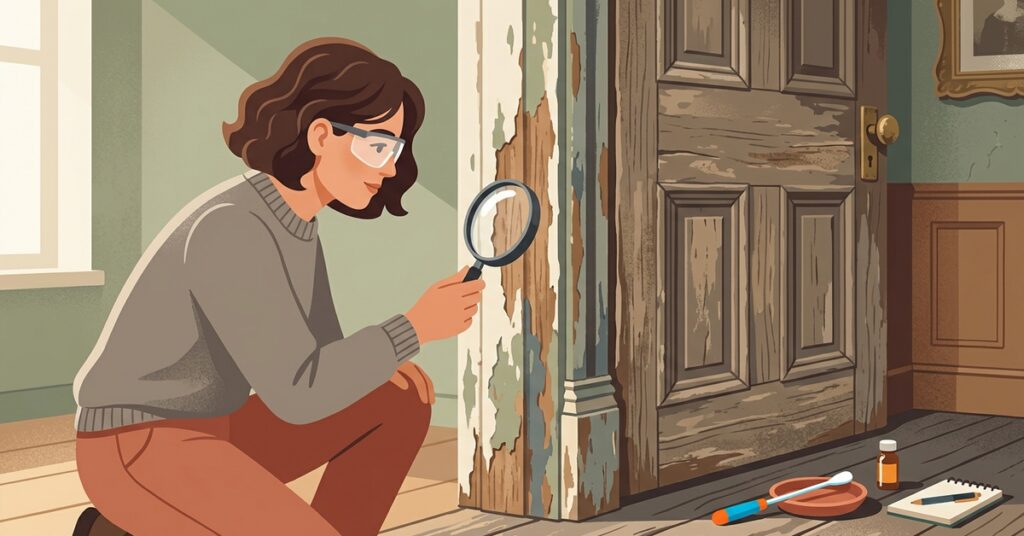
The EPA recognizes two testing approaches for pre-renovation purposes: XRF analysis by a certified inspector, which tests painted surfaces without disturbing them and delivers immediate results; and paint chip sampling, which involves collecting a small paint sample for laboratory analysis. Both methods produce results that meet federal documentation standards. Consumer swab kits do not.
What DIYers Need to Know
Homeowners are not subject to the RRP Rule when working on their own primary residence. If you are doing the renovation work yourself, there is no federal requirement to test or hire a certified contractor. But that exemption does not change the underlying exposure risk. If you sand or scrape lead paint without containment, HEPA filtration, and proper cleanup, you expose yourself and your family to lead dust — including any children or pregnant women in the home.
The CDC identifies renovation in pre-1978 homes as one of the leading causes of acute lead poisoning in children in the United States. Cases typically involve a DIY renovation where proper precautions were not taken. The exposure event happened on a Saturday afternoon; the blood lead result came back weeks later.
If you have children under six or a pregnant woman in the home, the practical distinction between “required” and “strongly recommended” is not meaningful. Lead-safe practices are the standard whether or not you are legally obligated to follow them.
Lead-Safe Work Practices: The Basics
Whether you are a homeowner or hiring a contractor, lead-safe practices during renovation in a pre-1978 home follow the same core principles:
- Seal off the work area with plastic sheeting to contain dust — close HVAC vents in the work area during the project
- Wet surfaces before sanding or scraping to suppress dust generation
- Use a HEPA-filter vacuum for cleanup — standard shop vacuums exhaust fine particles back into the air
- Mop hard floors wet rather than sweeping, which disperses dust
- Bag and dispose of debris according to local requirements — lead-containing renovation waste is regulated in Georgia and South Carolina
- Wash hands and change clothes before leaving the work area — lead dust tracks easily through a home on shoes and clothing
Schedule Testing Before Work Begins
EnviroPro 360 provides certified lead paint testing for homeowners, landlords, and contractors throughout Augusta, North Augusta, Aiken, and the surrounding CSRA. We identify which surfaces contain lead-based paint using XRF analysis and accredited laboratory sampling, and deliver reports that meet EPA and HUD documentation standards for renovation projects, real estate transactions, and compliance purposes.
Testing before your renovation starts is the step that gives you and your contractor accurate information and a documented record. Contact EnviroPro 360 to schedule lead paint testing before your project begins.