Augusta has a lot of old homes. The Hill, Summerville, Harrisburg, Laney-Walker, and Bethlehem neighborhoods all have significant concentrations of pre-1940 housing stock, and much of the city’s residential fabric was built between the 1940s and the 1970s. That history has cultural and architectural value. It also means that a substantial portion of Augusta homes contain lead-based paint.
The federal government banned lead-based paint for residential use in 1978. Before that, lead was a standard ingredient in interior and exterior paint, added because it improved durability, reduced drying time, and enhanced adhesion. A home built in 1965 may have multiple layers of lead paint under subsequent repaintings. A home built in 1945 may have it on virtually every painted surface.
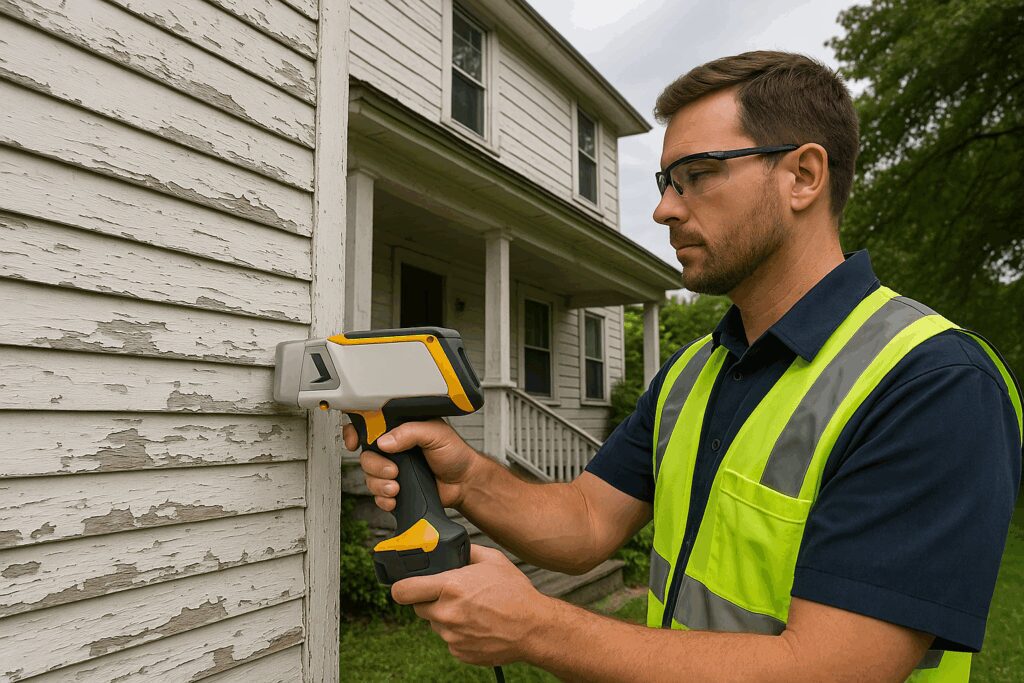
The presence of lead paint in a home is not automatically dangerous. Lead paint that is intact, well-adhered, and not disturbed presents limited ongoing risk. The danger comes from deterioration: peeling, chalking, flaking, or paint that is disturbed by sanding, scraping, or renovation. At that point, lead dust and paint chips become an exposure pathway, particularly for young children.
How Lead Exposure Actually Happens
Lead enters the body primarily through ingestion and inhalation. Children under six are the highest-risk group because their developing nervous systems are particularly sensitive to lead’s neurotoxic effects, and because their normal behavior, hand-to-mouth activity, crawling on floors, and chewing on objects, puts them in direct contact with surfaces where lead dust accumulates.
The CDC has established that no level of lead exposure is safe for children. Even low-level exposure, at blood lead concentrations previously considered acceptable, is now associated with reductions in IQ, attention and behavioral problems, and impaired academic performance. The effects are permanent and cannot be reversed once they occur.
Common exposure pathways in older homes include:
Lead dust from deteriorating paint. As lead paint ages, chalks, or flakes, it deposits lead particles on floors, windowsills, and horizontal surfaces. Normal household activity, including walking across floors and opening and closing windows, redistributes this dust. Children crawling on floors or putting hands in mouths after touching contaminated surfaces ingest lead without anyone being aware of it.
Friction surfaces. Windows and doors in older homes have painted surfaces that rub together when operated. This friction continuously generates lead-containing dust at windowsills and door frames. These are among the highest-concentration lead dust areas in older homes.
Deteriorating exterior paint. Lead paint on exterior surfaces weathers and chalks over time. The resulting soil around the perimeter of older homes is often lead-contaminated. Children playing near the foundation, and especially in bare soil in areas where exterior paint has deteriorated, are at risk.
Renovation-generated dust. Dry sanding, dry scraping, or using heat guns on lead-painted surfaces generates significant amounts of lead dust and fumes. Renovation activities are among the highest-intensity exposure events in older homes.
The Augusta Context
Augusta’s housing age distribution means a significant percentage of families with young children are living in homes that have lead-based paint somewhere on the structure. The question is not usually whether lead paint is present; in a pre-1978 home, the working assumption should be that it is. The relevant questions are whether it is deteriorating, whether renovation activities are planned, and whether the family has children under six.
The HUD Lead Disclosure Rule requires sellers and landlords of pre-1978 housing to disclose any known information about lead-based paint and hazards, and to provide buyers or renters with an EPA-approved information pamphlet. Sellers must also give buyers a ten-day opportunity to test for lead-based paint before finalizing the purchase.
This disclosure requirement gives buyers information about what the seller knows, which is often very little. Most sellers of older homes do not have documentation of lead paint testing, and the disclosure tells you only what is known, not what is actually present.
What Lead Testing Tells You
Professional lead testing uses several methods, each suited to different purposes:
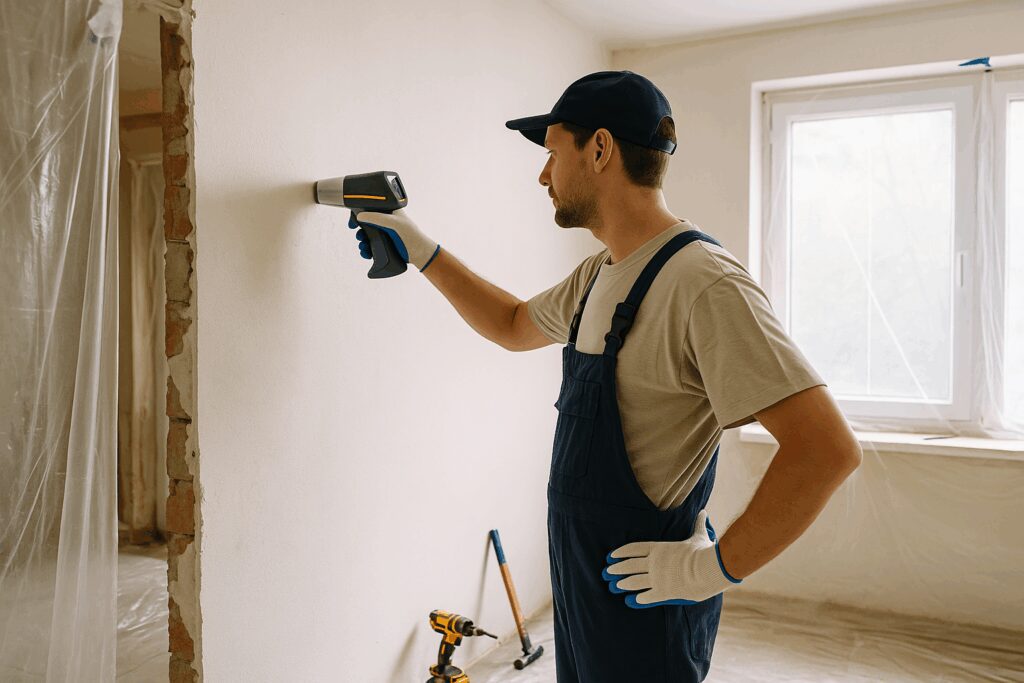
XRF (X-ray fluorescence) testing uses a handheld device to measure lead in paint without disturbing the surface. It gives immediate results and can test a large number of surfaces efficiently. This is the most practical method for a comprehensive survey of a home’s painted surfaces.
Dust wipe sampling collects settled dust from floors, windowsills, and other horizontal surfaces. The samples are sent to a laboratory for analysis. Dust wipe results tell you whether hazardous lead concentrations are present in living areas regardless of the paint condition. High dust levels indicate that either deteriorating paint or previous renovation activity has deposited lead in the environment.
Paint chip sampling involves removing a small sample of paint from a surface and sending it to a laboratory. This is a low-cost method but is destructive, limited in scope, and not appropriate as a comprehensive survey tool.
Soil sampling collects samples from bare soil around the perimeter of the home and any areas where children play. Contaminated soil around older homes is common and often overlooked.
The EPA’s lead hazard standards define specific levels at which remediation is required. Floors with settled dust above 10 micrograms per square foot, windowsills above 100 micrograms per square foot, and bare soil in play areas above 400 parts per million are all considered hazardous under the EPA’s lead hazard rule.
When to Test
There are a few situations where lead testing in an older Augusta home moves from “reasonable to consider” to “you should really do this”:
You have children under six living in or regularly visiting the home. The combination of a pre-1978 home and small children is the highest-risk scenario. Testing gives you information that directly protects their health.
You are planning renovation work. Any renovation that disturbs painted surfaces in a pre-1978 home should be preceded by lead testing. If lead-containing materials will be disturbed, EPA’s Renovation, Repair, and Painting (RRP) Rule requires that the contractor be certified in lead-safe work practices.
You have visible paint deterioration. Peeling or flaking paint in a pre-1978 home should prompt testing to determine whether the deteriorating paint contains lead, particularly if it is in areas children access.
You are purchasing a pre-1978 home with children. Use your inspection period to test. The seller is not required to fix lead problems in most transactions, but knowing what is present lets you make an informed decision and plan remediation if needed.
If Testing Reveals a Problem
If lead testing identifies hazardous concentrations in your home, remediation options range from encapsulation, covering or sealing lead paint so it cannot release dust, to abatement, complete removal of lead paint by a licensed contractor. Interim controls, such as repairing deteriorating surfaces and cleaning dust hazards, can reduce exposure while permanent remediation is planned.
The response should be proportionate to the findings and to who lives in the home. A family with young children in a home with elevated dust wipe results and deteriorating paint on friction surfaces faces a different priority level than an adult occupant in a home where paint is intact and no disturbance is planned.
If you want to understand whether your older Augusta home poses a lead exposure risk to your family, the EnviroPro 360 team can help you assess the situation. Reach out any time.