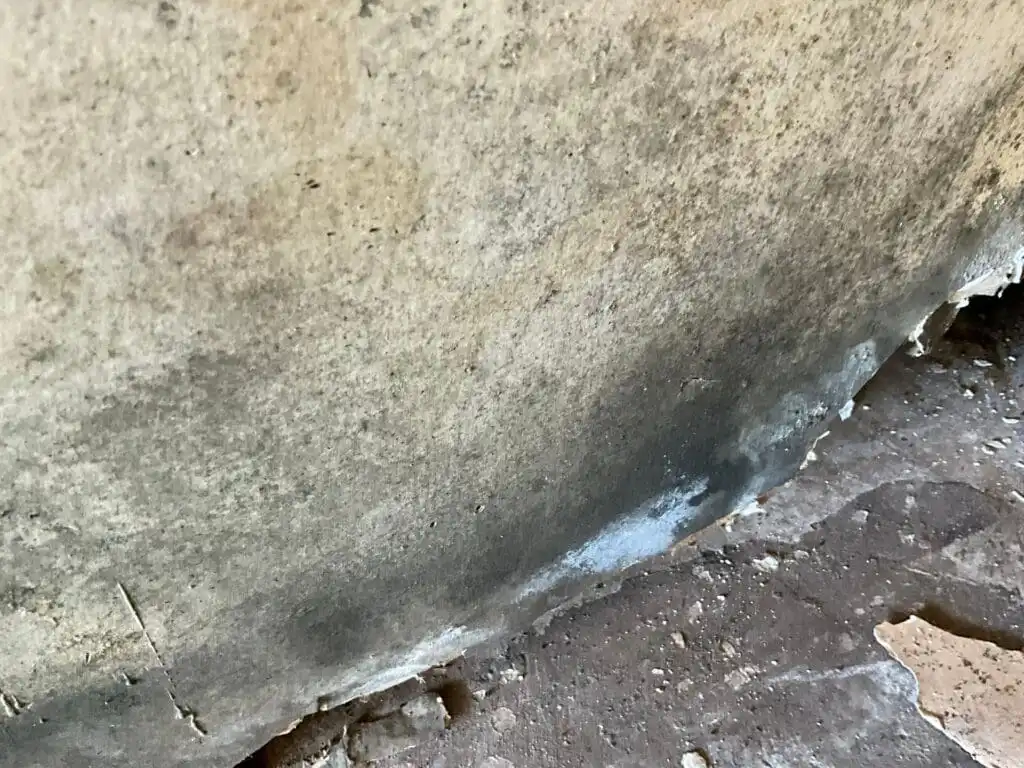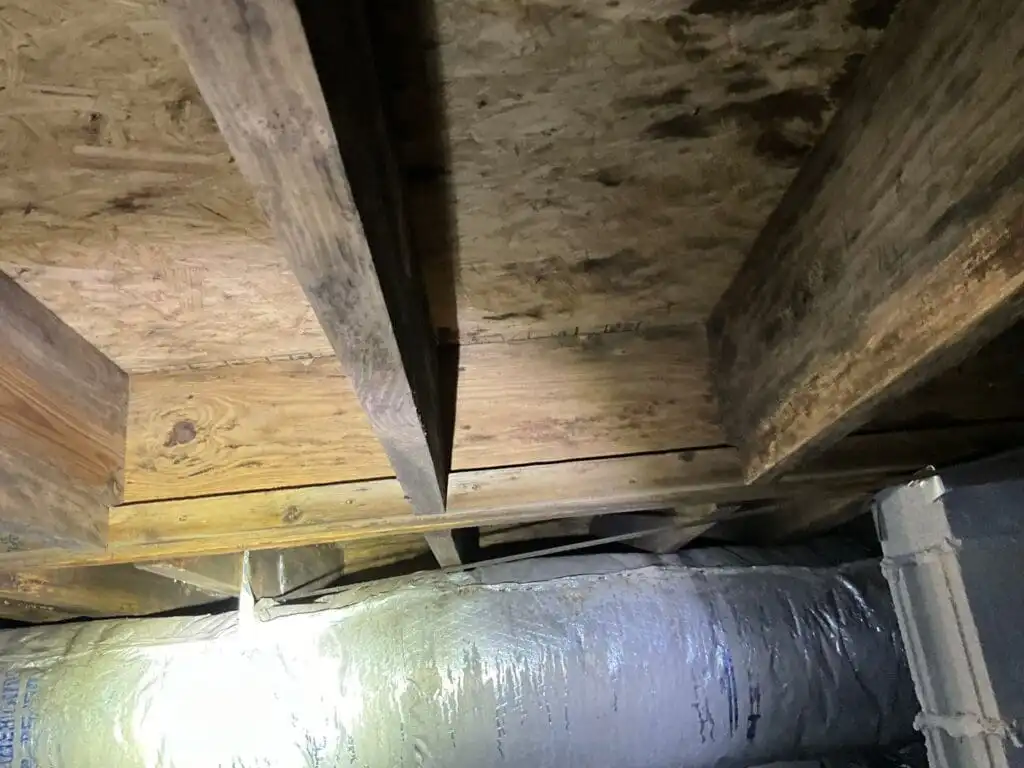
DIY mold test kits are widely available and inexpensive, and they serve a legitimate purpose as an initial screening tool. Understanding what they can and cannot tell you helps homeowners make an informed decision about when a kit is a reasonable first step and when professional testing is the more appropriate choice from the start.
What Mold Is and Why It Matters
Mold is a fungus that produces airborne spores. Spores are present in all indoor and outdoor environments at baseline levels. The concern is not the presence of spores but whether an active mold colony has established inside the home, releasing spores at concentrations elevated above outdoor baseline. The CDC notes that elevated indoor mold exposure can cause respiratory symptoms, eye and throat irritation, and worsened asthma, with more severe effects in people with preexisting conditions or weakened immune systems.
In Augusta, Aiken, and the broader CSRA, the combination of high seasonal humidity, frequent summer storms, and common residential features like crawl spaces and attic-routed HVAC ductwork creates conditions where mold problems develop more readily than in drier climates.
Types of DIY Mold Test Kits
Two types are commonly sold:
- Surface sampling kits use a swab or adhesive tape pressed against a suspected mold area. The collected sample is mailed to a lab or exposed to a growth medium included in the kit. Results indicate whether mold is present on that specific surface.
- Air sampling kits expose a petri dish or cassette to indoor air for a set period, capturing airborne spores that settle or are drawn through the collector. Results indicate what spore types were present in the air during the collection window.
Some kits include both methods. Kits marketed specifically as “black mold test kits” typically instruct the lab to look for Stachybotrys chartarum in particular, though a standard lab analysis identifies all species present.
How to Use a DIY Kit
The basic procedure for most kits:
- Select sampling locations. For surface kits, target visible discoloration. For air kits, choose the room or area you are most concerned about, close windows and doors, and turn off the HVAC for the collection period.
- Collect the sample. Follow the manufacturer’s instructions for contact time, collection technique, and labeling. Note the date, exact location, and any relevant conditions (recent water event, persistent odor, etc.) on the lab form.
- Ship promptly. Delays between collection and shipping can affect results. Most labs ask that samples arrive within a few days of collection.
- Review lab results. Results typically arrive within one to two weeks. Surface kits report whether mold was found and, if a lab is involved, what species. Air kits report spore types and approximate concentrations.
What DIY Kits Cannot Tell You
The limitations are significant and determine when professional testing is the right call:
- No baseline comparison. A positive result showing mold spores in the air does not by itself indicate a problem — mold spores are present in all indoor air. Determining whether a finding is elevated requires comparing indoor counts to an outdoor control sample collected at the same time. DIY kits generally do not include outdoor sampling.
- Limited coverage. A kit tests one or two locations. Mold commonly grows inside wall cavities, under flooring, in attic framing, and inside HVAC components — none of which is accessible to a swab or a single open petri dish.
- No moisture source identification. A kit can confirm mold is present; it cannot tell you where the moisture is coming from. Without identifying and fixing the moisture source, mold returns after any cleanup.
- No professional interpretation. Knowing the spore type and approximate count does not answer the questions that matter most: Is this elevated for this region? Is the source a small surface colony or a larger hidden growth? What remediation is actually required?
- Timing sensitivity. Spore concentrations fluctuate with humidity, HVAC operation, and disturbance of surfaces. A single air sample taken on a low-humidity day may miss a problem that is present during higher-humidity conditions.
When Professional Testing Is the Right Starting Point
The EPA recommends professional assessment when hidden mold is suspected, since mold growing inside walls, in HVAC systems, or under flooring is not accessible to DIY testing methods. Professional inspection is appropriate when:
- A musty odor is present but no visible mold can be found
- Visible mold has been found but you need to understand its extent before deciding on remediation scope
- A water event occurred and materials were not professionally dried within 24 to 48 hours
- Household members have location-specific respiratory symptoms (worse at home, better away)
- A home is being bought or sold and documented air quality results are needed for lenders or insurers
Professional inspectors use moisture meters to test building materials without opening walls, thermal imaging cameras to identify wet cavities, and calibrated air sampling pumps to collect spore counts at multiple locations simultaneously. Lab results are interpreted against an outdoor baseline sample collected the same day — which is the only way to determine whether indoor levels are actually elevated.
DIY Kit as a Starting Point
A DIY kit is a reasonable screening step when you have a small visible spot and want to confirm it is mold before calling a professional, or when budget constraints mean you need to make a case for professional testing based on a positive result. The limitations become consequential when the kit result is negative but symptoms or odors persist — a negative result from one air sample in one room does not rule out a mold source in the crawl space, attic, or wall cavity.
Schedule a Professional Mold Inspection
EnviroPro 360 provides certified mold inspection and air sampling across Augusta, Aiken, and the CSRA, with results from an AIHA-accredited laboratory and written reports suitable for use in real estate transactions, insurance documentation, and remediation planning. Contact EnviroPro 360 to schedule an inspection.