Mold is present in every home to some degree — spores are a normal part of indoor and outdoor air. The question is not whether mold spores exist in your home but whether an active mold colony has established somewhere, releasing spores at concentrations elevated above what enters naturally from outside. Identifying this requires knowing what to look for, where to look, and when the signs you are seeing warrant professional testing rather than a DIY fix.
The Physical Signs of Mold Growth
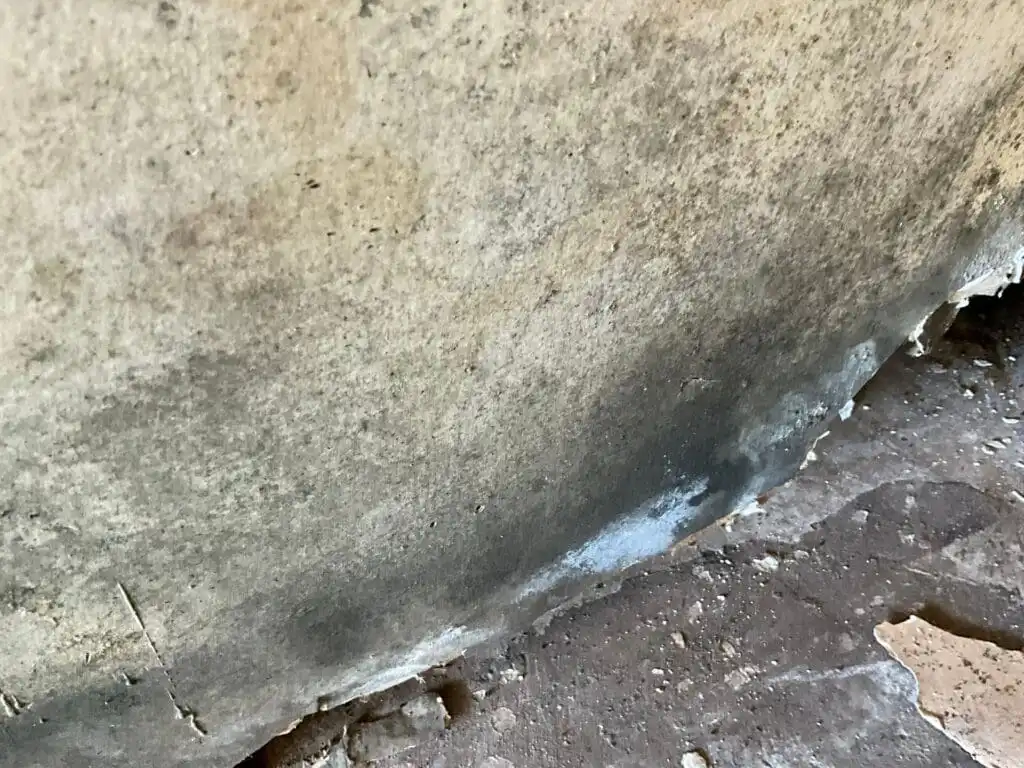
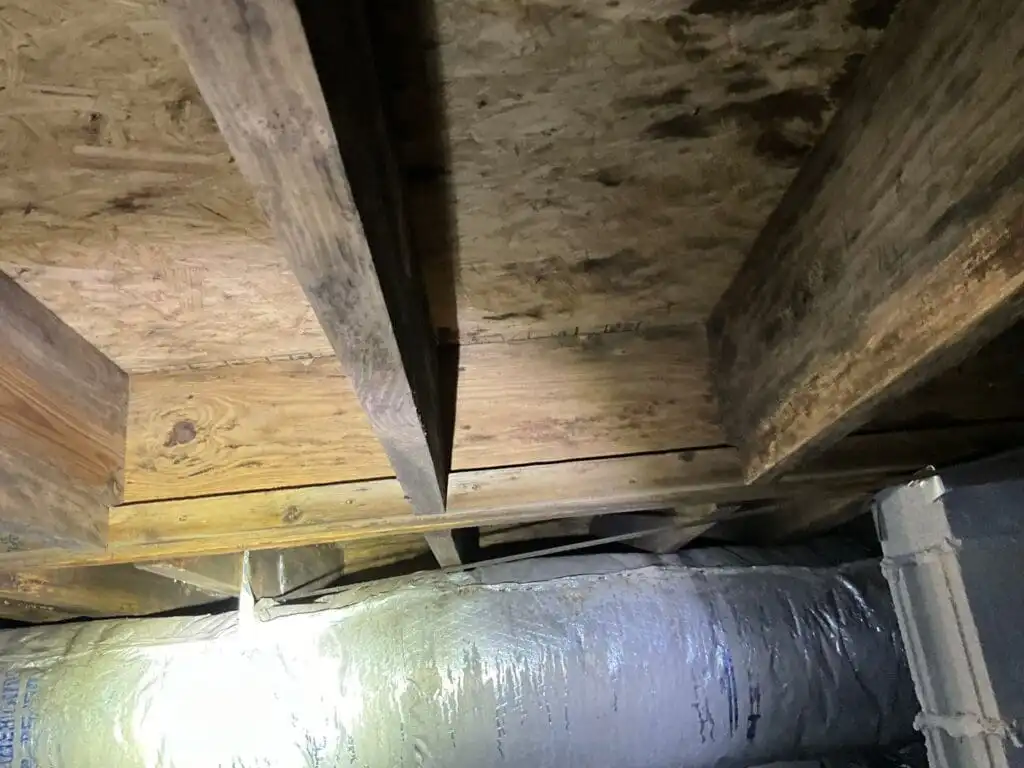
Visible mold is the most straightforward indicator, but it is often not the first sign and sometimes not visible at all until growth is extensive. Mold appears as discoloration on surfaces — black spots, green or gray fuzz, white powdery growth, or orange-brown streaking depending on the species and substrate. The locations most likely to produce visible mold in Augusta-area homes are bathroom grout and caulking, the underside of sink cabinets, ceiling corners in rooms with poor ventilation, and around window frames where condensation collects.
Stains that reappear after cleaning, or that spread slowly over weeks, indicate ongoing moisture and active growth rather than old dried mold. This pattern is more significant than a static stain that has not changed.
Musty odor is frequently the earliest indicator of mold growth. The smell is produced by microbial volatile organic compounds (MVOCs) — gases released by active mold colonies — and can be detectable before visible growth appears, particularly when the growth is inside wall cavities, under flooring, or in the crawl space. A musty smell that is stronger in specific rooms, in closets on exterior walls, or in the morning after the house has been closed overnight points toward a hidden mold source in that area.
Structural Indicators
Changes in building materials often signal moisture conditions that support mold growth:
- Bubbling, peeling, or blistering paint on walls or ceilings indicates moisture behind the surface, either from a plumbing leak or from condensation inside a wall cavity
- Warped or cupped flooring near exterior walls or under bathroom fixtures suggests water is reaching the subfloor
- Soft spots in drywall that feel slightly spongy when pressed indicate moisture saturation
- Efflorescence on basement or crawl space walls — white mineral deposits left behind when water evaporates through masonry — indicates ongoing moisture migration through the foundation
- Ceiling stains that grow or darken over time, rather than staying static, indicate an active leak above
Health-Related Indicators
The CDC documents that mold exposure can cause nasal congestion, coughing, throat irritation, and eye irritation, with more severe effects in people with asthma or compromised immune systems. The health pattern most strongly associated with an indoor mold source is location-dependence: symptoms that are consistently worse at home and improve when away.
This pattern — worse indoors, better away — is distinct from seasonal allergies (which follow pollen seasons) and from respiratory infections (which progress over days regardless of location). If multiple people in the household experience the same pattern, that strengthens the case for an indoor air quality problem.
Other indicators: symptoms that worsen when the HVAC system runs (suggesting a mold source in the ductwork or air handler), symptoms that appeared after a water event and have not resolved, or symptoms that have been attributed to allergies for months without a clear pollen trigger.
Where Mold Hides in CSRA Homes
In Augusta, North Augusta, Aiken, and surrounding areas, several locations produce hidden mold problems that are not visible during a normal walk-through:
- Crawl spaces — the most common hidden mold source in this region, where ground moisture contacts floor joists and subfloor sheathing year-round
- Attics — particularly near bathroom exhaust fan terminations, roof penetrations, or any area with inadequate ventilation where humid air stagnates
- Inside wall cavities near plumbing supply lines, which can develop slow leaks that go undetected for months
- HVAC air handlers and ductwork — drain pan overflows and condensation inside attic-routed ducts are common mold sources that distribute spores throughout the house
- Behind tile and under bathroom flooring — failed caulking and grout allow water to reach the framing beneath over years of use
When Visual Inspection Is Not Enough
The EPA notes that mold growth is not always visible and that professional inspection is warranted when hidden mold is suspected. Air sampling by a certified inspector measures indoor spore concentrations and compares them to an outdoor baseline. Elevated indoor levels confirm an active source is present, even when no visible mold has been found. Moisture meters and thermal imaging identify wet building materials that are candidates for mold growth before the mold becomes visible.
Professional testing is the right next step when: you smell mold but cannot find visible growth; you or family members have location-dependent symptoms; you had a water event in the past year and materials were not professionally dried; or you are buying or selling a home and want documented indoor air quality results.
Schedule a Mold Inspection
If you have signs of mold or unexplained symptoms in your Augusta-area home, EnviroPro 360 provides professional mold inspection and air sampling to confirm what is present and where. Contact EnviroPro 360 to schedule an inspection.