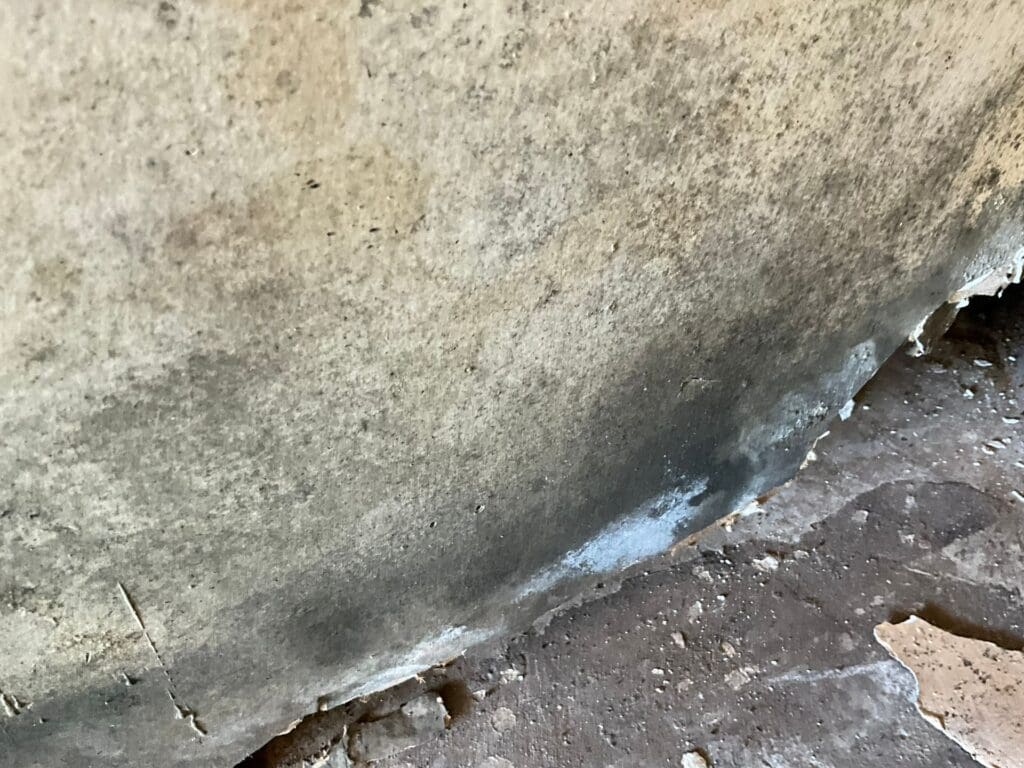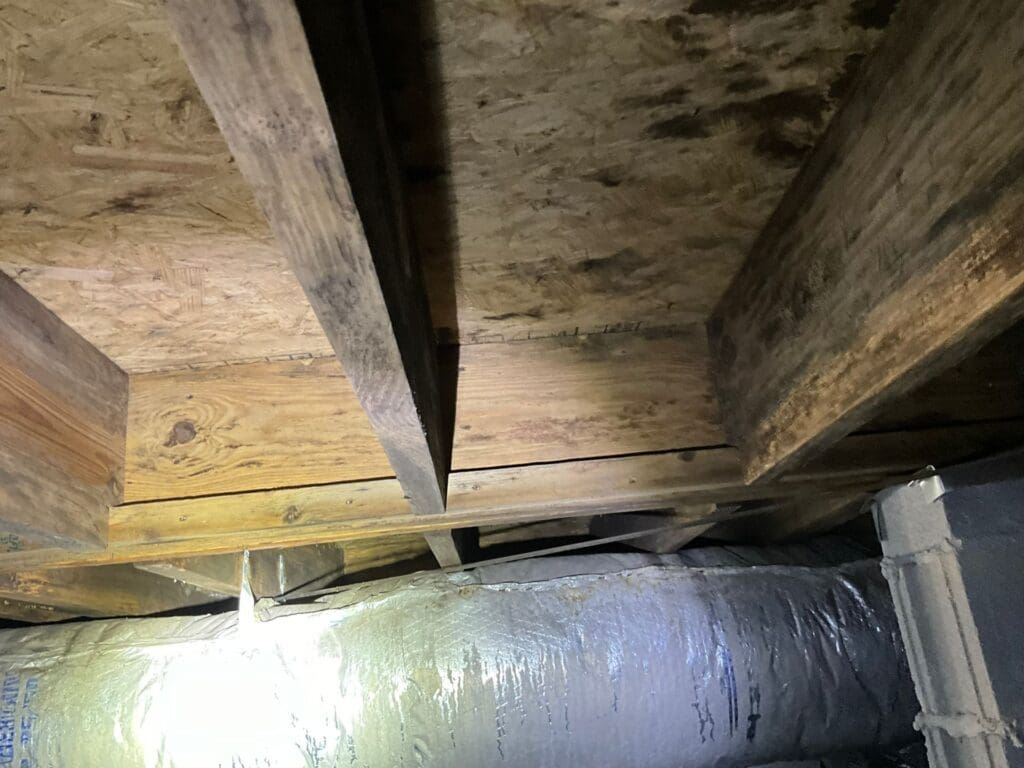
If you have noticed a musty smell in your home, discovered a stain that will not go away, or been told by a doctor to investigate your indoor environment, you have probably encountered the terms “mold inspection,” “mold testing,” and “mold assessment” used interchangeably. They are not all the same, and the distinction matters when the goal is accurate, lab-backed documentation rather than a quick visual walk-through.
Mold Assessment vs. Mold Inspection: What Is the Difference?
A mold inspection is primarily visual. An inspector walks the property and looks for signs of mold growth: discoloration, water staining, musty odors, or areas with visible growth. It is a useful starting point but does not produce laboratory data or a written findings report.
A mold assessment is a more comprehensive process performed by a licensed mold assessor that combines visual inspection with measurement tools and laboratory analysis. A full assessment typically includes:
- Moisture mapping using professional meters to measure water content in building materials without cutting into surfaces
- Thermal imaging to locate temperature differentials indicating hidden moisture behind walls or above ceilings
- Air sampling to measure airborne mold spore concentrations in multiple rooms compared against an outdoor baseline
- Surface sampling via swab or tape lift to identify specific mold species on visible or suspected growth
- Humidity readings to assess whether indoor conditions are supporting ongoing mold growth
- Laboratory analysis through an AIHA-accredited lab with documented chain of custody
- A detailed written report with findings, risk areas, and specific recommendations
The distinction in plain terms: an inspection tells you whether mold might be present. An assessment documents what is present, where it is, at what concentrations, and what species it is.
Why Lab-Backed Documentation Matters
A visual check produces an opinion. Lab results produce data. That difference matters when a mold assessment report will be used for any of the following:
- Real estate transactions where a buyer or seller needs documented evidence about the property condition before closing
- Insurance claims requiring professional documentation of indoor air quality or mold presence
- Landlord-tenant disputes where a tenant is reporting health concerns and needs documented evidence
- Post-remediation verification to confirm that mold remediation was completed successfully before walls are closed back up
- Healthcare or physician referrals where a doctor suspects an environmental trigger for a patient’s respiratory symptoms
According to the EPA, moisture control is the key to mold control, and identifying moisture sources is the first step in any effective remediation. A written report that maps moisture pathways and documents mold species concentrations gives property owners, contractors, and attorneys a usable foundation, not just a verbal summary.
When to Schedule a Mold Assessment
A full assessment is warranted in situations where a visual check is not sufficient to answer the questions at hand:
- The property has had water damage, flooding, or a plumbing leak that was not professionally dried
- You or family members are experiencing respiratory symptoms, congestion, or headaches that improve when away from the property
- There is a persistent musty odor with no identified visible source
- You are preparing to buy or sell a home, particularly one built before 1990 or with a history of moisture issues
- Mold remediation has been completed and you need independent verification of the results
- You manage a commercial property, rental units, or a building with multiple occupants who have reported air quality concerns
In Augusta and the CSRA, regional climate adds urgency to these situations. Long, humid summers, vented crawl spaces, and HVAC systems that run for most of the year create conditions where mold can establish and spread in building materials without surface signs until the problem is extensive. The CDC notes that people with asthma, allergies, or weakened immune systems face elevated health risks from indoor mold exposure, making early documentation especially important for households with vulnerable occupants.
What EnviroPro 360 Delivers in a Mold Assessment
EnviroPro 360 is an environmental testing company serving Augusta, Evans, Martinez, Grovetown, North Augusta, Aiken, and surrounding CSRA communities. Our mold assessments are performed by IICRC-certified inspectors with IAC2 indoor air quality consultant credentials.
Every assessment includes:
- Pre-assessment consultation to understand the history of the property and any known moisture events or prior repairs
- Full visual inspection of high-risk areas including bathrooms, crawl spaces, attics, HVAC components, and any areas of reported concern
- Moisture mapping and thermal imaging where indicated by the property history or visual findings
- Air sampling with indoor-to-outdoor spore count comparison processed through an AIHA-accredited laboratory
- Surface sampling on visible or suspected mold growth as warranted
- Written report with findings, lab data, moisture readings, and specific recommendations formatted for use by contractors, real estate professionals, attorneys, insurance adjusters, and healthcare providers
If you have questions about your home or building and want documented answers rather than a quick look, a professional mold assessment is the appropriate next step. Contact EnviroPro 360 to schedule an assessment in Augusta or anywhere in the CSRA.