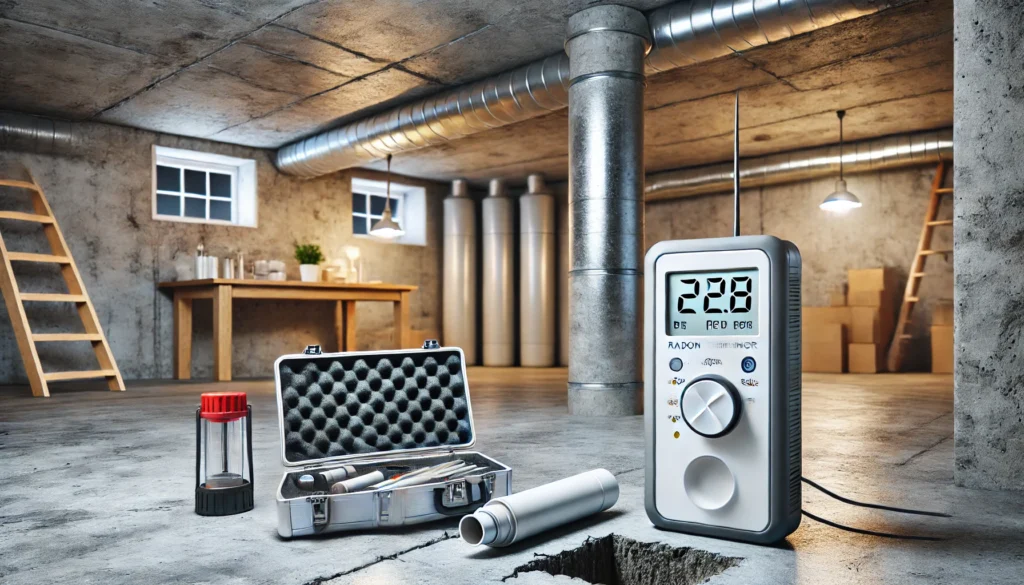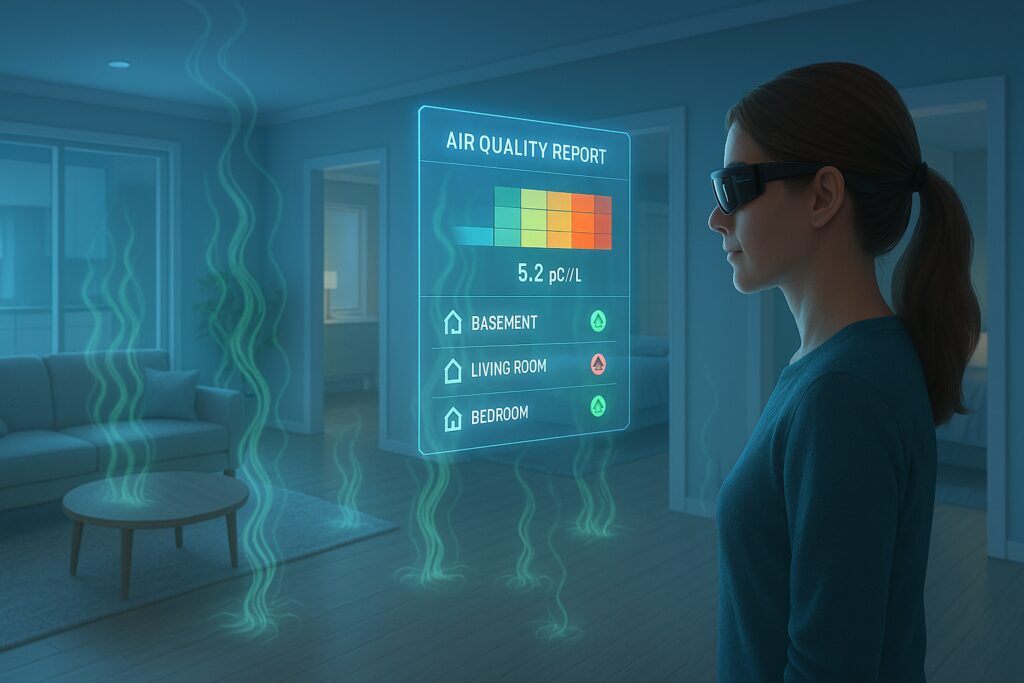
If you have visited a hardware store or browsed online recently, you have probably seen them: radon test kits you can buy and use yourself. They are small, affordable, and designed to measure whether your home has elevated radon levels.
But if you are wondering whether you can actually trust one of these kits, the answer depends on how they are used.
Here is a breakdown of what these test kits measure, how reliable they are, and when professional testing is the better option.
What Store-Bought Radon Test Kits Actually Do
Most home radon test kits are designed as short-term tests used over two to seven days. They typically contain charcoal or a similar material that absorbs radon from the air while the kit sits in your home.
When the test period ends, you send it to a lab for analysis. That process is straightforward, but accuracy depends heavily on correct placement and handling.
Yes, These Kits Can Work — But There Is a Catch
Store-bought radon kits can be accurate, but only if:
- You set them up correctly
- You leave them undisturbed
- You follow all instructions
- You mail them quickly
- You choose a high-quality, lab-certified brand
That is where results often become unreliable.
Small mistakes, such as placing the kit near a vent, leaving a window open, or delaying the mail-in submission, can throw off results. Some kits are also poorly made or past their shelf life, which affects accuracy.
Common Mistakes That Can Affect Your Test
Here are a few things that can compromise the results of a store-bought test:
- Placing the kit too close to a window or fan (fresh air can change the reading)
- Testing in the wrong room (such as the kitchen or attic instead of the lowest living level)
- Leaving it out too long or not long enough
- Waiting too long to mail it to the lab
- Buying a low-quality or expired kit
The kits are not inherently unreliable, but errors are easy to make without training in radon testing protocols.
What to Look For If You Buy a DIY Kit
If you choose to use a store-bought test kit, here are the key factors to get right:
✅ Look for EPA-approved or NRPP-certified kits
✅ Follow the instructions exactly
✅ Use it in the lowest livable area of your home
✅ Avoid drafty areas like doors, windows, or HVAC vents
✅ Send it to the lab immediately after testing
Short-term test results represent a snapshot in time. Radon levels can vary by season, weather conditions, and ventilation patterns in the home.
When to Choose Professional Testing Instead
DIY kits can be useful for a quick initial check, but they are not always the best option. Professional testing is the more reliable choice in situations such as:
- You are buying or selling a home
- You need official documentation
- You want to verify suspicious results with a certified reading
- You want to avoid the risk of placement or handling errors
- You want certified documentation and verified results
EnviroPro 360 uses professional radon detection equipment that is certified and highly accurate, with no mail-in delays. Our inspectors handle the entire process from placement to interpretation, reducing the risk of errors that affect DIY results.
Results are explained clearly, and if radon levels are elevated, we can advise on appropriate next steps.
Final Thought: Trust the Kit or Trust the Pros?
Store-bought radon test kits can be useful, but they carry a real risk of user error. If you are serious about accurate results or are in the middle of a real estate transaction, professional testing removes the guesswork.
The Centers for Disease Control and Prevention recommends testing all homes for radon, regardless of location or building type. A certified test provides the documentation needed to act with confidence if levels are elevated.
Need professional radon testing done right the first time? Contact EnviroPro 360 for certified radon testing across Georgia and South Carolina.