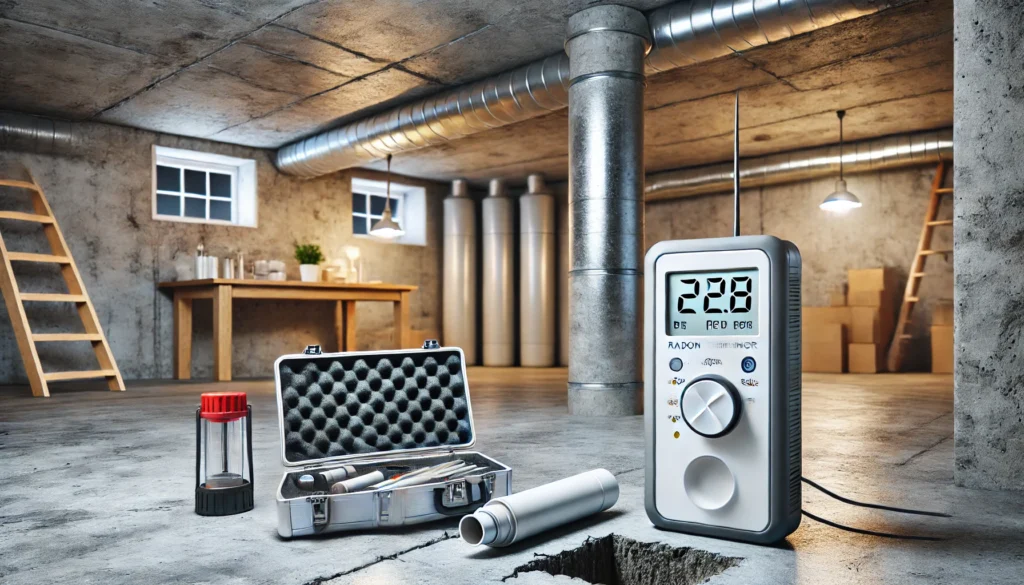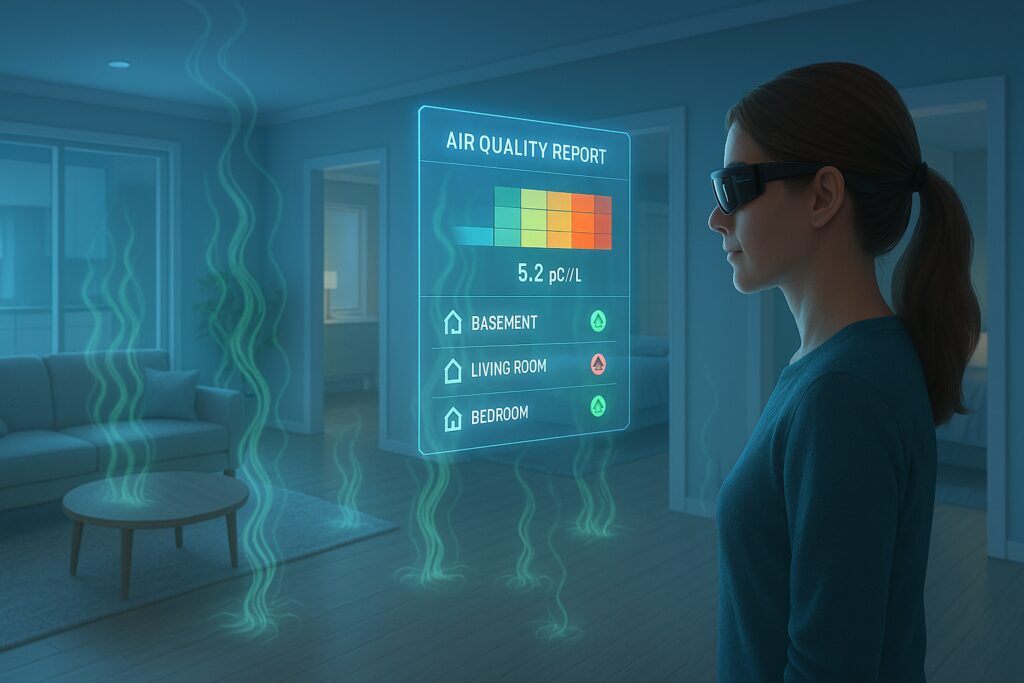
When you are searching for a rental in Augusta, Evans, Aiken, or anywhere in the CSRA, radon testing history is not typically part of the showing conversation. It should be. Asking a landlord or property manager whether the unit has been tested for radon is a reasonable question, and the answer — or the absence of one — tells you something useful before you sign a lease.
Why Radon Matters for Rental Properties
Radon is a naturally occurring radioactive gas produced by uranium decay in soil. It enters buildings through foundation cracks, sump pits, crawl space gaps, and utility penetrations, and accumulates in indoor air without any visible or detectable sign. According to the EPA, radon is the second leading cause of lung cancer in the United States after smoking. The CDC estimates that radon causes approximately 21,000 lung cancer deaths annually.
Ground-floor and basement units carry the highest exposure risk because radon concentrates in the lowest levels of a structure. If the property you are considering has a basement unit, a garden-level apartment, or a first-floor unit built on a slab or crawl space, radon is a relevant consideration regardless of the building’s age or neighborhood.
What Georgia and South Carolina Law Does and Does Not Require
Neither Georgia nor South Carolina requires landlords to test for radon or disclose results to prospective tenants. Most private residential rentals are not subject to any radon-specific requirement. This means that if no one has asked, many properties in the CSRA have simply never been tested.
Asking before you rent is the most effective way to get this information. Once you have signed a lease and moved in, your options for addressing a radon problem are more limited and more complicated.
How to Ask and What to Look For
A direct, neutral question works well: “Has this unit or building ever been tested for radon? Do you have documentation of the results?”
A landlord who has tested and maintained records can provide them. A recent test showing levels below 4.0 pCi/L is a useful data point. A test that is more than two years old is less reliable, because radon levels can shift over time as buildings settle and ventilation patterns change. A landlord who has not tested and cannot produce documentation leaves you without information you need to assess your risk.
If the property has not been tested and the landlord is open to it, offer to coordinate with a certified testing provider. Professional testing typically takes two to seven days, produces certified documentation, and costs $150 to $250. Many landlords will agree to testing if the tenant handles the coordination and the cost is modest. Some may split the cost or cover it entirely as a reasonable accommodation.
If the Landlord Declines or Cannot Answer
If a landlord declines to test or has no testing history to share, you can test independently after moving in. Short-term test kits are available at hardware stores for under $30. Professional testing provides more accurate results and certified documentation. If results show elevated levels, you will have documented evidence to support a mitigation request.
You can also factor the absence of testing history into your rental decision. A landlord who takes building health seriously will generally have records of prior testing or be willing to arrange it. One who is dismissive about the question may be equally dismissive about maintenance requests.
What to Do If Testing Shows Elevated Levels
The EPA action level for radon is 4.0 pCi/L. At or above that concentration, the EPA recommends mitigation. Radon mitigation systems can reduce indoor levels by more than 90 percent and involve installation by a licensed contractor with no ongoing obligation on the tenant. The system addresses the source rather than trying to filter the air after the gas has already accumulated.
If you discover elevated radon after moving in, presenting the landlord with certified test results is the starting point. Documented evidence is more persuasive than a verbal concern, and it creates a record that matters if the issue needs to be escalated.
EnviroPro 360 provides certified radon testing throughout Augusta, Evans, Martinez, Grovetown, North Augusta, Aiken, and surrounding communities in Georgia and South Carolina. If you want to test a prospective or current rental unit, contact us to schedule testing and get documented results you can use.