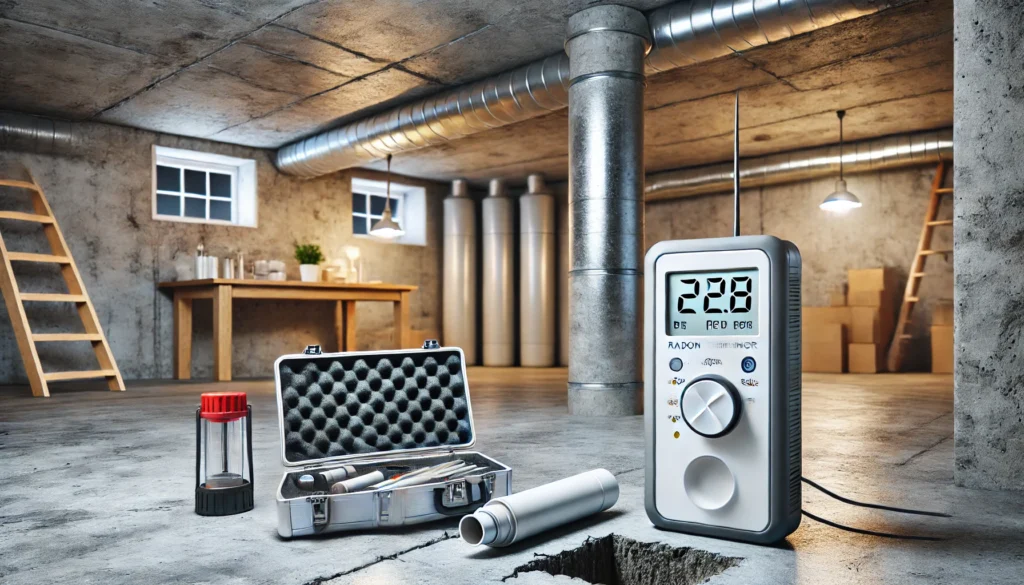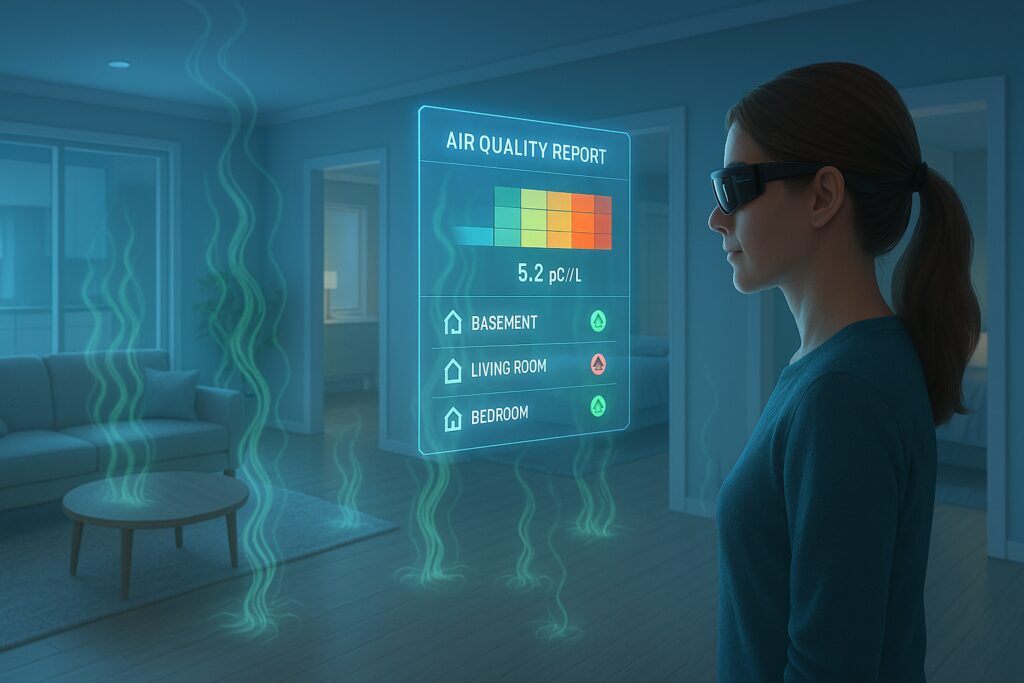
If you have decided to test your home for radon, the next question is straightforward: where do you get a test, and will it give you results you can rely on? The market includes hardware store kits, online-only devices, and professional testing services. They are not equivalent, and which one makes sense depends on your situation.
What Makes a Radon Test Reliable
Before discussing where to buy, it helps to understand what separates a reliable test from an unreliable one. The Environmental Protection Agency recommends using radon test devices that are listed by an EPA-recognized program or certified by the National Radon Proficiency Program (NRPP) or the National Environmental Health Association (NEHA). These programs establish standards for calibration, measurement accuracy, and quality assurance that the testing device or service must meet.
A test that lacks this certification may still produce a number, but that number has no independent verification behind it. For a risk as significant as radon — the CDC identifies it as the second leading cause of lung cancer, responsible for approximately 21,000 deaths annually — the accuracy of the result matters.
Short-Term Charcoal Canister Kits
Short-term charcoal canister kits are the most widely available consumer radon tests. They are sold at hardware stores including Home Depot and Lowe’s, at some grocery and pharmacy chains, and through online retailers. Prices typically range from $15 to $35, which usually includes the lab analysis fee.
These kits are passive devices. You place the canister in the lowest livable level of your home, keep windows and exterior doors closed throughout the test period (48 hours minimum), then seal and mail the device to the included laboratory. Results come back in one to two weeks via mail or email.
When shopping for a charcoal canister kit, look for the following on the packaging:
- NRPP or NEHA certification, or EPA-listed laboratory
- Minimum 48-hour test duration
- Accredited lab analysis included in the price
- Clear instructions for closed-building conditions
Charcoal canister kits work well for initial screening and real estate transactions where time is limited. Their limitations are also well-documented: a single short-term result reflects conditions during a specific window and may not represent your home’s annual average radon concentration. Seasonal and weather variation can cause short-term results to be meaningfully higher or lower than the true average.
Long-Term Alpha Track Detectors
Alpha track detectors are the standard device for long-term radon testing. They run for 90 days to one year, recording radon exposure across multiple seasons and weather conditions. The result represents an annual average concentration rather than a snapshot, which is more relevant to long-term health risk assessment.
Alpha track detectors are available through the same hardware retail channels as charcoal kits, and also through state radon programs and certified testing companies. If you are not under time pressure from a real estate transaction, a long-term test is the more reliable way to understand your home’s actual radon environment.
Consumer Digital Radon Monitors
Electronic radon monitors are sold online and at some retailers. They provide continuous real-time readings and display rolling averages. Some homeowners use them as a long-term monitoring tool after a confirmed low result or after mitigation.
The concern with consumer digital monitors is calibration. Devices sold at accessible consumer price points often do not undergo the calibration verification required of professional measurement equipment. A device that reads consistently but inaccurately — either high or low — gives you false confidence. Before relying on a consumer digital monitor for a significant decision, verify that it is NRPP-certified and has been calibrated to an established standard.
When Professional Testing Makes More Sense
For several situations, purchasing a kit and conducting the test yourself is not the optimal approach:
- Real estate transactions: Buyers and their agents typically want a result from a certified professional, not a self-administered kit. Professional testing provides documentation that both parties can rely on.
- When a previous result was borderline: A result between 3.0 and 5.0 pCi/L deserves confirmation from a professionally administered test with proper placement and calibrated equipment.
- When making a mitigation decision: Before investing in a mitigation system, a professionally documented result ensures the decision is based on reliable data.
- Post-mitigation confirmation: After a mitigation system is installed, the follow-up test should be conducted by a professional to provide independent documentation that the system is working.
Professional Radon Testing in Augusta and the CSRA
EnviroPro 360 provides professional radon testing for homeowners throughout Augusta, Evans, Martinez, Grovetown, North Augusta, Aiken, and the broader CSRA. Testing follows EPA measurement protocols with calibrated equipment placed to accurately reflect occupant exposure. Results are provided with a plain-language explanation and documentation suitable for real estate transactions, mitigation planning, or post-mitigation verification.
Contact EnviroPro 360 to schedule professional radon testing and get a result you can rely on.