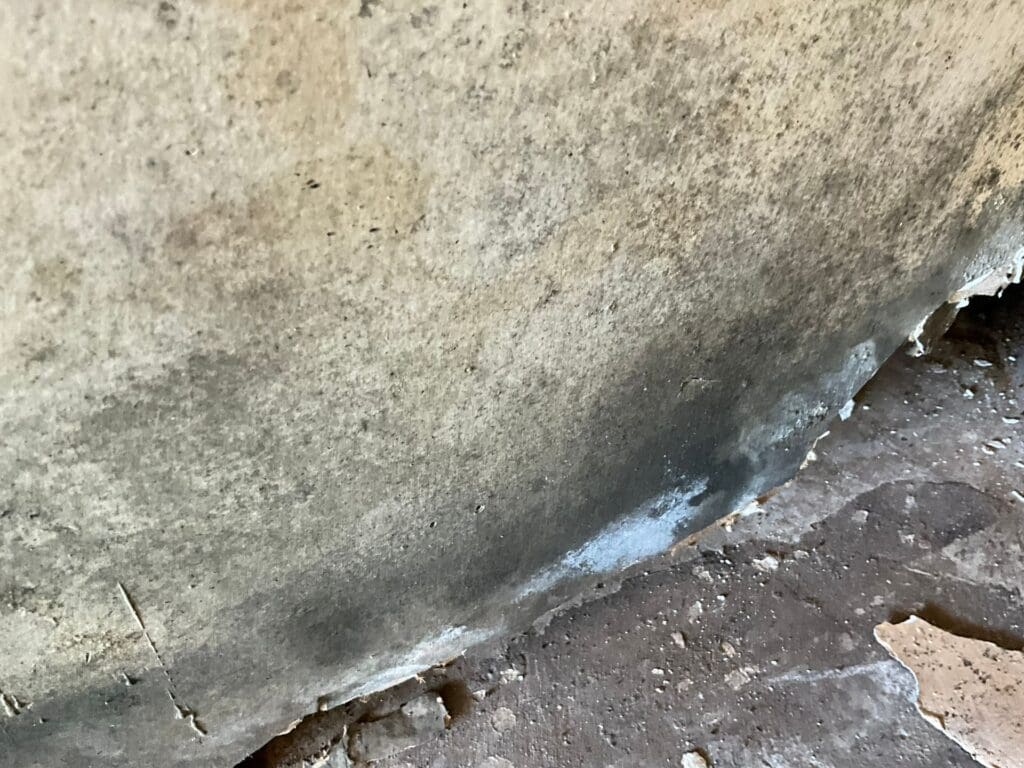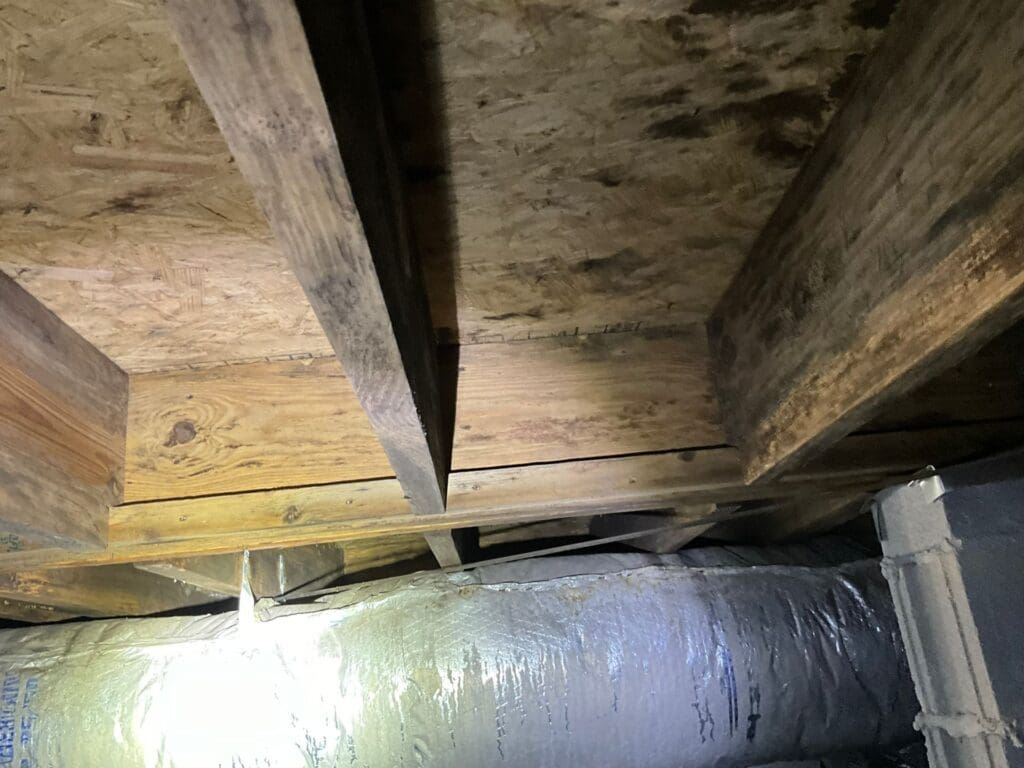
Georgia does not require mold remediation contractors to hold a state license. Anyone can print business cards, buy a truck, and call themselves a mold specialist. That makes asking the right questions before hiring not just smart, but necessary for protecting your home and your family in Augusta and the CSRA.
The mold remediation industry does have established voluntary certification programs that set meaningful standards. Knowing which ones matter, what they actually require, and how to verify them before you sign anything will help you avoid the costly mistakes that come from hiring an unqualified contractor.
Why No Georgia State License Doesn’t Mean No Standards
Several states require mold remediation contractors to be licensed at the state level. Georgia is not one of them as of 2025. South Carolina similarly has no standalone mold remediation license requirement. This means the only quality safeguards in this market are the certifications contractors voluntarily pursue and the questions you ask before hiring.
The EPA notes that while federal standards for mold remediation do not exist, industry guidelines from organizations like the IICRC set the practical benchmark for professional work. A contractor who cannot name the standards they follow is one to avoid.
Certifications That Carry Real Weight
The two most widely recognized certification bodies for mold-related work are:
IICRC (Institute of Inspection, Cleaning and Restoration Certification) — The IICRC S520 Standard for Professional Mold Remediation is the industry benchmark for containment, air filtration, removal, and post-remediation verification. IICRC-certified remediators have passed coursework and testing in these protocols. Ask for the certificate number and verify it directly at iicrc.org.
NORMI (National Organization of Remediators and Mold Inspectors) — NORMI offers certifications specifically for mold assessment and remediation. They distinguish between assessment (testing, sampling, reporting) and remediation (physical removal). A NORMI-certified mold consultant follows a structured methodology for both.
Other credentials worth asking about: IAQA (Indoor Air Quality Association) membership indicates engagement with the broader IAQ professional community. OSHA 10 or 30 general industry safety training is a baseline expectation for any contractor doing containment and demolition work in occupied buildings.
The Key Question Most Homeowners Forget
The most important single question to ask before hiring anyone for mold work is this: Are you doing the testing, the remediation, or both?
A contractor who both tests for mold and remediates mold has a financial conflict of interest. If they find mold, they get the job. If they remediate, they can self-certify that it worked. Independent verification by a separate testing company eliminates this conflict entirely.
At EnviroPro 360, we provide mold inspection and testing. We do not perform remediation. That separation means our findings are never influenced by a potential remediation contract. When we test after remediation is complete, we are verifying work done by someone else using objective air sampling and lab analysis.
Questions to Ask Before Hiring Any Mold Contractor
Whether you are hiring an inspector, a remediator, or someone claiming to do both, these questions establish whether they meet a professional standard:
- What certifications do you hold and who issued them?
- Can I verify your certification directly with the issuing organization?
- Do you follow IICRC S520 standards for remediation?
- Are you licensed and insured in Georgia or South Carolina?
- Do you provide post-remediation verification testing, and who performs it?
- Will you provide a written scope of work before starting?
- Do you use containment and negative air pressure during remediation?
A qualified contractor answers every one of these directly and without hesitation. Vague answers, defensive responses, or pressure to skip verification testing are red flags.
What Uncertified Work Actually Costs
Hiring an unqualified contractor for mold work does not just risk a substandard job. It can actively make the problem worse. Common outcomes from unqualified remediation include:
- Mold spores spread to previously unaffected areas due to missing or improper containment
- Visible surface mold removed while the underlying moisture source is never addressed, causing the mold to return within weeks
- Harsh biocides applied improperly, leaving chemical residue in living spaces
- No post-remediation verification, so there is no documented proof the work succeeded
The CDC recommends that mold remediation in homes follow established professional guidelines, particularly in cases involving large areas or hidden mold growth. When remediation does not follow these guidelines, the health risks that drove the original concern may remain even after the work is done.
Schedule an Independent Mold Inspection
If you are dealing with mold in your Augusta-area home or need post-remediation verification after a contractor has done work, EnviroPro 360 provides independent mold inspection and air sampling with lab-verified results. Our testing is not connected to any remediation service, which means our results reflect actual conditions, not a contractor’s interests. Contact EnviroPro 360 to schedule an inspection.