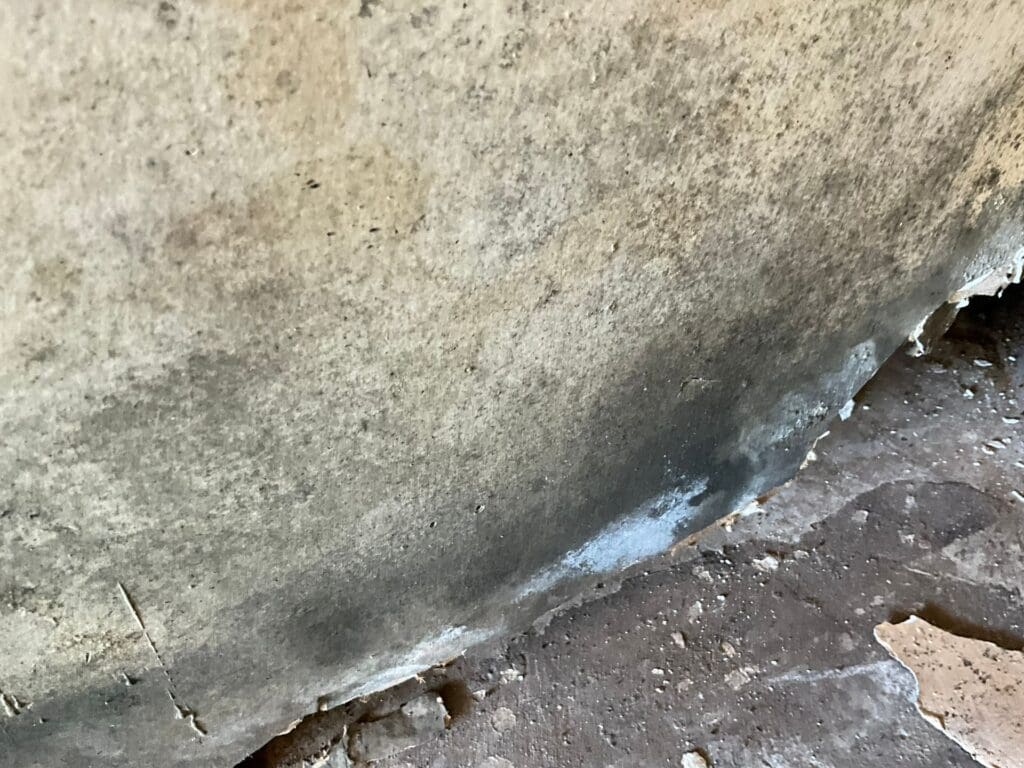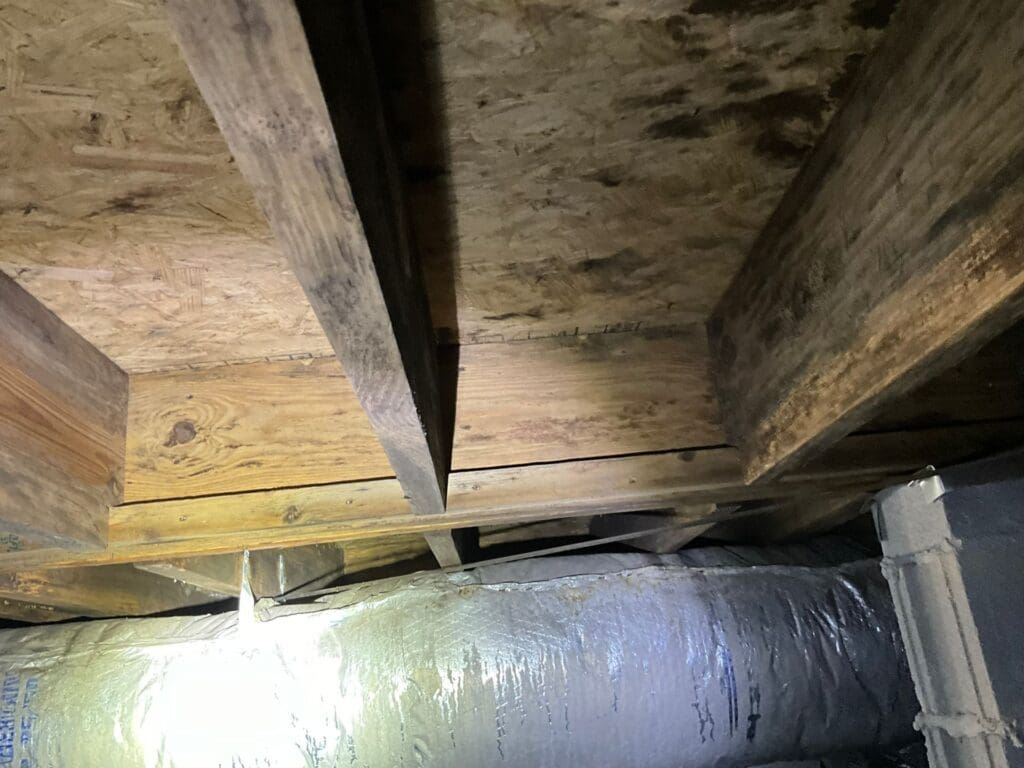
A homeowner in Evans, Georgia, noticed a musty smell in their master bathroom. A remediation company they found online came out, did a quick visual walk-through, and told them the mold had spread behind the walls and into the subfloor. Total scope: gut the bathroom, replace the drywall, treat the subfloor. Cost: $7,400. No pre-remediation testing. No documented baseline. Just “trust us.”
Eight weeks later, the smell was back.
This is not an unusual story in Augusta, Aiken, and the surrounding CSRA. High humidity, crawl spaces, and older construction create real mold conditions here. But that same environment also creates opportunity for contractors who inflate scope without documentation. The protection against this is independent testing, before remediation begins and after it ends.
Why Scope Documentation Matters Before Anyone Touches Your Walls
A legitimate mold inspection before remediation does two critical things: it documents what is actually present, and it defines the scope of work with lab-backed data rather than a contractor’s visual estimate.
EPA guidance on mold emphasizes that remediation scope should be based on the size of the affected area and the type of materials involved. Air sampling and surface testing can identify mold species, estimate spore concentrations, and pinpoint whether the problem is contained to one surface or has spread into the air system.
Without that baseline, you have no way to verify that the contractor’s proposed scope matches the actual problem, and no leverage if they overreach.
The Conflict of Interest No One Talks About
A remediation company earns more when the scope is larger. That is not an accusation against every contractor, as many are ethical and thorough. But it is a structural conflict of interest that documentation protects against.
When a third-party inspector tests your home before remediation starts, they have nothing to gain from inflating findings. Their job is to measure accurately, not sell work. That report becomes your baseline: here is what was found, where it was found, and at what concentrations.
If a contractor proposes scope that goes well beyond what the inspection documented, you now have grounds to ask why, and to get a second opinion before agreeing.
Clearance Testing: Verifying the Work Was Actually Done
Post-remediation verification (PRV) is the step most homeowners skip, and the step that would have prevented the Evans scenario above.
After remediation is complete, an independent inspector returns to the property, conducts air sampling and surface testing in the affected areas, and compares results against both the pre-remediation baseline and established clearance thresholds. The CDC and industry standards such as ANSI/IICRC S520 both support post-remediation testing as a standard step in confirming successful work.
If the remediation was done correctly, the numbers will show it. If it was not, you find out before the walls are closed back up, not eight weeks later when the smell returns.
What to Ask Any Mold Remediation Company Before Hiring Them
- Will you provide a written scope of work listing the specific materials and areas to be treated?
- Are you open to a third-party post-remediation test to verify clearance?
- Do you use containment and negative air pressure during the project?
- Can you document your certifications and the remediation protocol you follow?
- Is your company performing all the work directly, or subcontracting it?
A contractor who pushes back on third-party verification or refuses to provide written scope before starting work is a warning sign worth taking seriously.
Red Flags That Should Prompt Independent Testing
- Scope proposal that seems far larger than the visible problem
- Pressure to approve work immediately without time to review
- No mention of pre-remediation testing or baseline documentation
- Refusal to allow third-party clearance testing after completion
- Estimates delivered verbally rather than in writing
How EnviroPro 360 Fits Into This Process
EnviroPro 360 is an environmental mold testing company, not a remediation contractor. That distinction matters. We do not perform demolition, containment, or antimicrobial treatment. What we provide is the independent documentation that frames and verifies those activities.
For homeowners in Grovetown, Martinez, North Augusta, and across the CSRA, that means:
- Pre-remediation inspection and testing to establish a documented baseline and define realistic scope
- Air quality sampling to identify what species are present and at what concentrations
- Post-remediation clearance testing to confirm the work was completed successfully before walls are closed
- Written, lab-backed reports usable by contractors, attorneys, insurance adjusters, and real estate professionals
If you are currently working with a remediation company, or considering hiring one, an independent pre-remediation inspection is the single most protective step you can take.
Schedule an inspection with EnviroPro 360 before work begins, or contact us for clearance testing after remediation is complete. You deserve documentation, not just a contractor’s word that the job is done.