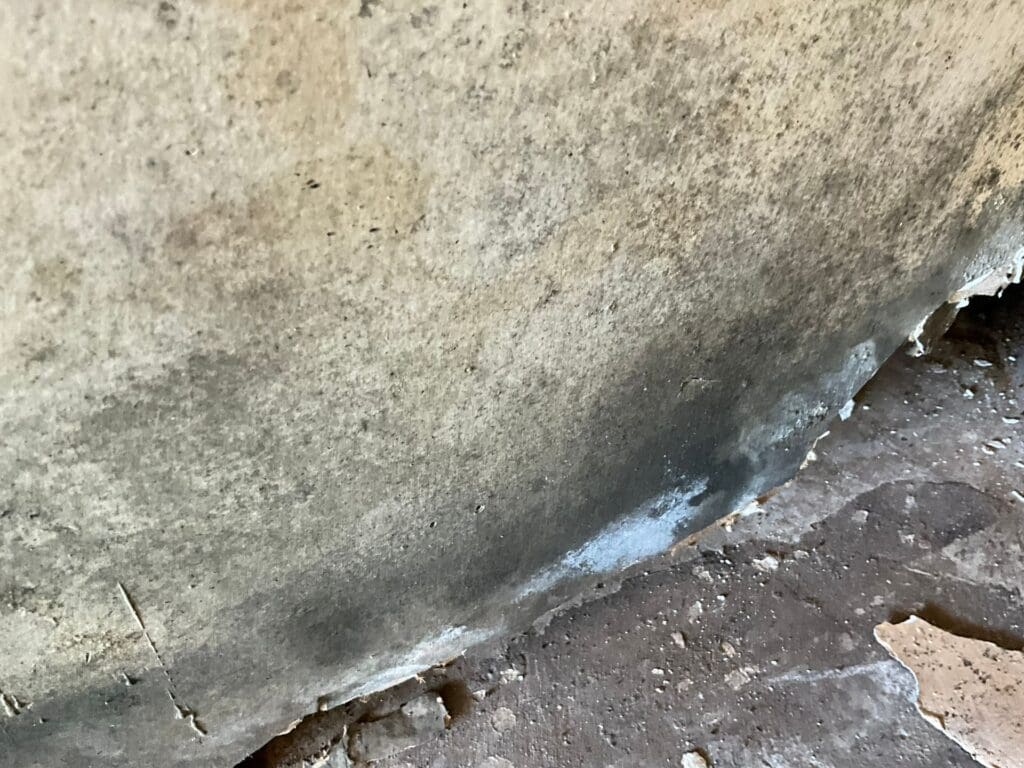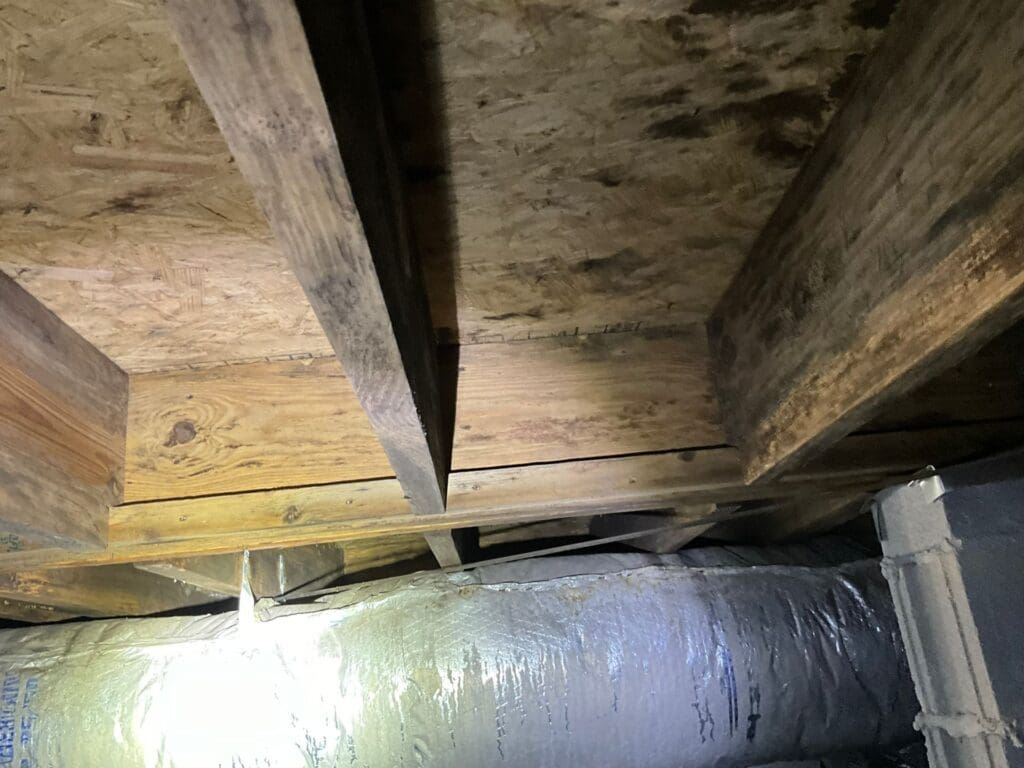
Stachybotrys chartarum — the organism behind most “black mold” headlines — has been discussed with a level of alarm that often exceeds what the science supports, and sometimes with a casualness that understates real risk. The accurate position is somewhere between those extremes, and understanding it helps homeowners make informed decisions rather than panic or ignore a genuine problem.
Where the Fear Came From
Public awareness of black mold as a specific health threat increased sharply in the late 1990s, following several high-profile cases that received significant media coverage. The coverage described Stachybotrys as a uniquely deadly “toxic mold” responsible for severe health outcomes. Follow-up investigations by public health agencies found the causation in the most extreme reported cases was less certain than early reporting suggested — other environmental factors, pre-existing conditions, and inconsistent testing methodology complicated the picture.
What the research established more clearly was that mold exposure of any kind, including but not limited to Stachybotrys, is associated with respiratory symptoms in many people and more severe effects in those with asthma, allergies, or compromised immune systems.
What the Science Actually Shows
The CDC states that exposure to damp and moldy environments can cause nasal congestion, coughing, throat irritation, eye irritation, and worsened asthma, with more severe effects in people with mold sensitivities or weakened immune systems. The CDC does not rank Stachybotrys as uniquely dangerous compared to other mold genera in terms of the health effects that most people will experience from typical indoor exposure levels.
The health risk from Stachybotrys specifically relates to its mycotoxin production under certain growth conditions. Not all Stachybotrys colonies produce mycotoxins at levels that present acute health risks, and the relationship between exposure and specific outcomes varies considerably by individual. The more consistent finding is that any active mold colony in a home is a problem worth addressing — the species matters less than whether mold is present and actively growing.
You Cannot Identify the Species Visually
Many mold species appear black or very dark green. Cladosporium, Aspergillus, and several other common indoor molds can look identical to Stachybotrys from across a room or even in a close-up photo. Species identification requires laboratory analysis of a collected sample. Any mold that looks black should be treated as a mold problem requiring professional evaluation — not because it is necessarily Stachybotrys, but because there is no way to know without testing, and the appropriate response (professional assessment, source identification, remediation) is the same regardless.
The Bleach Myth
Household bleach is not an effective treatment for mold on porous surfaces. On non-porous surfaces like ceramic tile or glass, bleach can kill surface mold. On porous materials like drywall, wood framing, and grout, the bleach solution does not penetrate deeply enough to reach the full depth of mold growth. The surface appears clean, but the underlying hyphae remain and the mold regrows when moisture conditions return. Bleach treatment of porous mold also does not address the moisture source driving the growth.
Structural Damage
Mold digests organic materials as it grows. On wood framing, this means the structural integrity of the material is gradually compromised. In attics and crawl spaces where mold grows on joists and sheathing for extended periods, the damage can reach a point where replacement rather than remediation is required. The same process applies to drywall, insulation facing, and subflooring. The structural cost of mold left untreated for a year or two is typically far greater than the cost of professional testing and prompt remediation.
When to Call for Professional Testing
Professional mold testing is appropriate when:
- A musty odor is present that cannot be traced to a visible source
- Visible mold of any color has appeared, particularly if it recurs after surface cleaning
- Household members have location-specific respiratory or allergy symptoms that are consistently worse at home
- A water event occurred — flood, roof leak, plumbing failure — and materials were not professionally dried
- A home is being bought or sold and documented air quality results are needed
Species identification through professional testing tells you specifically what you are dealing with, confirms whether Stachybotrys is present, and establishes a baseline for verifying that remediation was successful.
Schedule a Mold Inspection
EnviroPro 360 provides certified mold inspection and air sampling across Augusta, Aiken, and the CSRA, with laboratory analysis that identifies mold species and quantifies spore concentrations. Contact EnviroPro 360 to schedule an inspection.