Whether you own a home or rent a basement apartment, radon gas does not distinguish between the two. It seeps through foundation cracks, sump pits, and utility penetrations from the soil below, and it accumulates in indoor air based on geology and building physics, not the terms of your lease or mortgage.
This matters because the conversation about radon in Georgia and South Carolina tends to be framed around homeowners. But renters in the CSRA face the same exposure risk and have fewer automatic protections in place.
What Radon Is and Why It Matters
Radon is a naturally occurring radioactive gas produced by the decay of uranium in soil and rock. It is colorless, odorless, and impossible to detect without testing. According to the EPA, radon is the second leading cause of lung cancer in the United States after smoking, responsible for approximately 21,000 deaths each year. The CDC notes that there is no known safe level of radon exposure — risk accumulates with concentration and duration.
Georgia and South Carolina are not states people typically associate with radon risk, but the EPA zone map flags numerous counties in both states as moderate to elevated risk. In the greater Augusta area, Richmond, Columbia, and Aiken counties have all recorded residential radon levels above the EPA action level of 4.0 pCi/L in testing programs. The only way to know whether a specific property has elevated levels is to test it.
Why Renters Face Specific Risks
Renters face several compounding factors that make radon risk harder to manage. First, older rental properties are common in the CSRA, and older buildings have had more time for foundation cracks to develop. Ground-level and basement units sit closest to the soil and have the highest radon exposure potential. Multi-unit buildings often go untested because no single tenant has obvious authority to demand it and no landlord is legally required to provide it.
Georgia and South Carolina do not have statewide laws requiring landlords to test rental properties for radon or to disclose results to tenants. In most private residential rentals, radon testing happens only if someone asks for it. If you are renting and have never asked, the property may never have been tested.
What Owners Need to Know
Homeowners have more control over testing and mitigation decisions, but that does not mean they are better protected by default. Many homeowners in the CSRA purchased their homes without radon testing, either because they were not informed or because they assumed the area did not have significant radon risk. A home built on radon-producing soil will accumulate radon whether the owner knows about it or not.
Radon levels also change over time. Foundation cracks widen as homes settle. HVAC systems get replaced. New weatherproofing seals the building envelope more tightly and reduces dilution. A test result from five years ago may not reflect current conditions. The EPA recommends retesting every two years or after any major renovation or HVAC change.
What Anyone Can Do
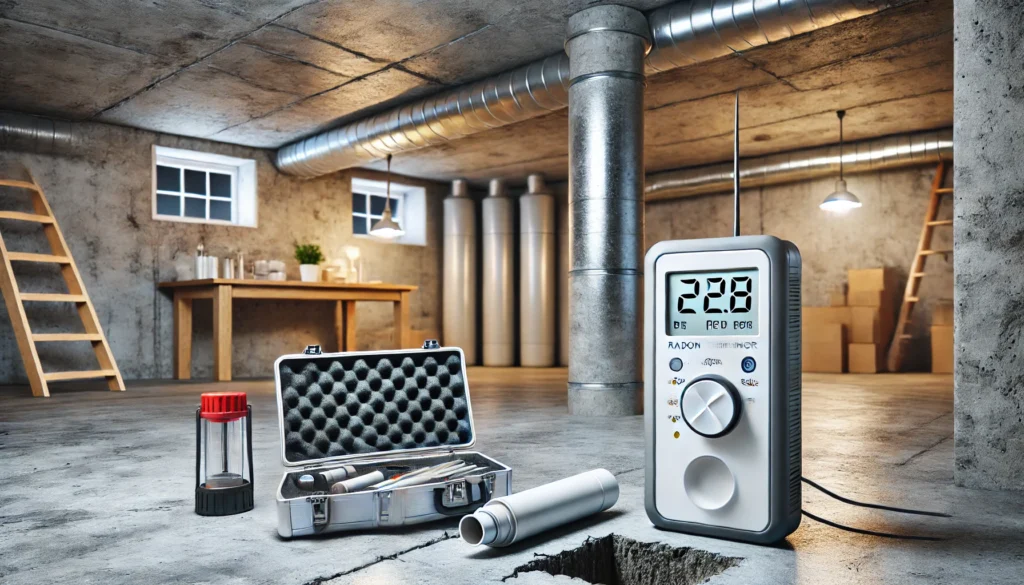
Testing is the first step regardless of whether you own or rent. Short-term test kits are available at hardware stores for under $30 and provide results in two to seven days. Professional testing from a certified provider produces more accurate results and generates documentation that is useful for landlord conversations, real estate transactions, or your own records.
For renters, presenting a landlord with certified data showing elevated radon levels creates a documented record that is difficult to dismiss. For owners, testing before listing a property avoids surprises during inspection and eliminates a potential negotiating obstacle at closing.
EnviroPro 360 provides certified radon testing throughout Augusta, Evans, Martinez, Grovetown, North Augusta, Aiken, and surrounding communities in Georgia and South Carolina. Whether you own or rent, if you have not tested recently, contact us to schedule a test and find out what your actual radon level is.