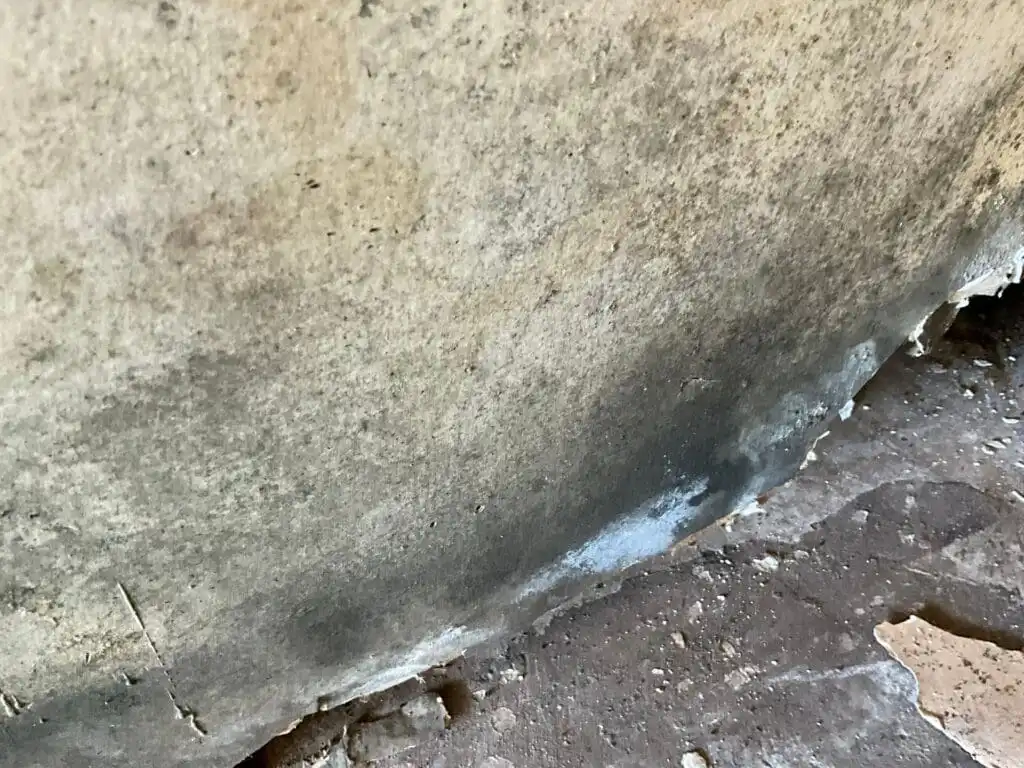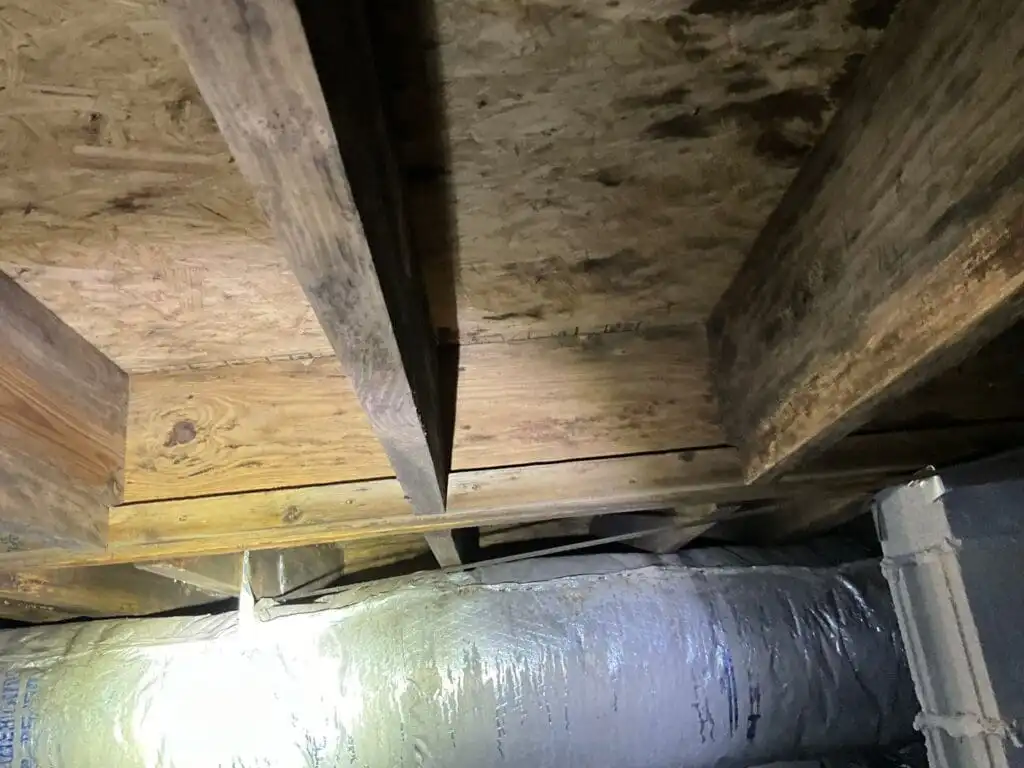
Commercial buildings develop mold problems through the same mechanisms as residential properties — moisture intrusion, inadequate ventilation, and HVAC failures — but on a larger scale and with more complex consequences. In Augusta and the CSRA, where older commercial building stock intersects with a climate that delivers significant humidity and rainfall, mold in workplaces is not an unusual finding. The difference between a manageable situation and a serious liability is usually how quickly the problem is identified.
Why Commercial Buildings Are Mold-Prone
Commercial buildings have more potential moisture sources than most residences: larger HVAC systems with longer duct runs and more condensate drain points, flat or low-slope roofs that retain water longer than pitched residential roofs, plumbing systems that serve many units with more connection points, and large footprints that include storage rooms, server rooms, and mechanical spaces that are low-traffic and infrequently inspected.
In buildings with multiple tenants, a leak in one unit’s ceiling can go unreported for days because the occupant above it does not see it and the occupant below assumes someone else has already called it in. By the time it is reported, drywall and insulation may have been wet for long enough for mold to establish.
Five Early Warning Signs
1. Persistent Musty Odor
A musty or earthy smell that intensifies when the HVAC system turns on, or that is strongest near restrooms, storage areas, or mechanical rooms, is one of the most consistent early indicators of active mold growth. The odor is produced by gases released by growing colonies, and is often detectable before visible growth appears.
2. Location-Specific Employee Symptoms
The CDC documents that mold exposure can cause coughing, nasal congestion, eye irritation, and worsened asthma, with more severe effects in sensitive individuals. In a workplace context, the key pattern to look for is employees whose symptoms are consistently present during work hours and improve on weekends or during time away from the building. Multiple employees in the same area reporting similar symptoms strengthens the case for an indoor air quality problem.
3. Water Stains on Ceilings or Walls
Brown or yellow staining that has not been attributed to a repaired and verified-dry leak warrants investigation. Active or ongoing stains that grow or deepen after rain events indicate a leak source that has not been resolved. Staining on the interior of an exterior wall corner often indicates a building envelope failure.
4. Recent Water Events
The EPA states that mold can begin growing within 24 to 48 hours of a moisture event. Roof leaks, plumbing failures, HVAC condensate overflows, and flood events from storms all create conditions for rapid mold establishment if materials are not professionally dried within that window. A water event that was addressed by mopping and airing out — without professional drying and moisture verification — should be treated as a potential mold source until confirmed otherwise.
5. Condensation or Humidity Above 60 Percent
Indoor humidity sustained above 60 percent provides the conditions mold needs to grow even without a discrete leak. HVAC systems that are undersized for the building, that have failing humidity controls, or that are not maintained on schedule will allow humidity to climb in specific zones. Condensation on windows, pipes, or metal surfaces is a visible sign of a humidity problem.
Why Surface Cleaning Is Not Enough
Cleaning or painting over visible mold without testing addresses only the symptom. The moisture source that is feeding the growth remains active, and the mold returns. In commercial buildings, mold frequently grows inside wall cavities, inside HVAC ductwork, and under flooring — locations that are not accessible for cleaning without opening the building assembly. Professional testing identifies the extent of the problem and whether the growth is behind surfaces that appear clean.
Legal and Compliance Context
Under the OSHA General Duty Clause, employers are required to maintain workplaces free from recognized hazards likely to cause death or serious physical harm. While OSHA does not have a specific mold standard, the General Duty Clause has been applied to mold complaints in commercial settings. In Georgia and South Carolina, employers who receive documented complaints from employees about indoor air quality and fail to investigate and respond create a record that can be used in workers’ compensation claims or regulatory complaints.
Documentation of a professional inspection and a subsequent remediation response is the employer’s evidence of a good-faith compliance effort. A documented negative result — showing the inspection found no elevated mold — is also valuable if a complaint is later filed.
How Professional Testing Works
Certified mold inspectors use moisture meters to identify wet building materials without opening walls, thermal imaging cameras to detect temperature anomalies that indicate water migration, and air sampling pumps that collect spore concentrations at specific locations for laboratory analysis. Results are compared to an outdoor control sample to determine whether indoor levels are elevated above baseline.
Post-remediation verification testing confirms that cleanup work reduced spore concentrations to acceptable levels before employees return to the affected area.
Schedule a Commercial Mold Inspection
EnviroPro 360 provides commercial mold inspection, air sampling, and post-remediation verification across Augusta, Aiken, Evans, North Augusta, and the CSRA. Contact EnviroPro 360 to schedule an inspection or to request documentation for compliance purposes.