If you rent or own a unit on the third floor or higher, you may have heard that radon is primarily a basement and ground-floor concern. The EPA recommendation that all living areas below the third floor be tested reinforces this impression. But that guidance describes a general priority, not a safety guarantee.
According to the CDC, radon is the second leading cause of lung cancer in the United States. Multi-unit building testing data has confirmed elevated radon levels on the third floor and above in buildings where ground-floor concentrations are high and ventilation is inadequate.
What Is Radon and Where Does It Come From?
Radon is a colorless, odorless radioactive gas produced by the natural decay of uranium in soil and rock. It seeps upward from the ground and enters buildings through foundation cracks, gaps around pipes and utility penetrations, sump pits, and crawl spaces. Once inside, radon accumulates wherever air circulation is limited.
Basement and first-floor units carry the highest risk because they are closest to the soil source. Radon concentration typically decreases with building height, but the rate of decrease depends heavily on how the building is constructed and ventilated.
What the EPA Actually Says About Upper Floors
The EPA recommends that all living areas below the third floor be tested. This threshold reflects the observed tendency for radon concentrations to drop significantly by the third floor in most building types. It does not mean that third-floor units and above are certified safe.
The EPA acknowledges that multi-unit buildings with high basement or ground-floor radon levels sometimes have measurable concentrations on upper floors. In buildings with shared mechanical systems or poor air sealing, the third-floor threshold provides much less protection than it implies.
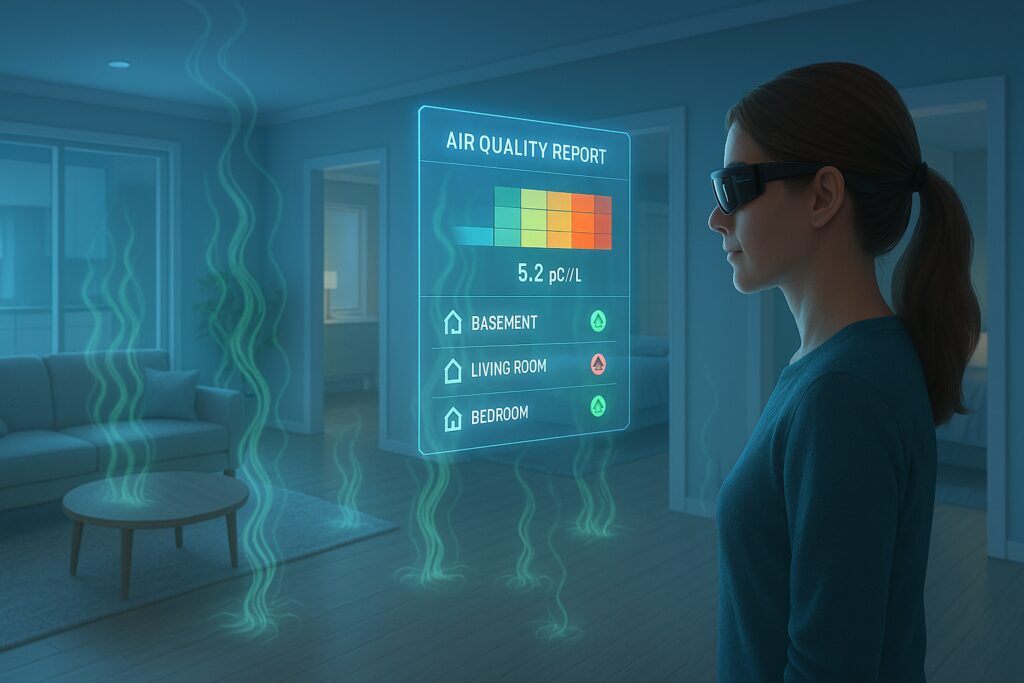
How Radon Moves Upward in Apartment Buildings
The Stack Effect
All buildings experience the stack effect: warm interior air rises and exits from the top, creating negative pressure at lower levels that draws air upward from below. In energy-efficient or tightly sealed buildings, this effect is more pronounced. Radon drawn into the base of the building can follow this upward air movement and reach upper floors.
Shared Ventilation Systems
Many multi-unit buildings use centralized air handling or interconnected ductwork. If radon accumulates in mechanical rooms, basement units, or the building’s plenum space, the HVAC system can distribute radon-laden air throughout the building regardless of floor level. A unit on the fourth or fifth floor with shared ventilation can show elevated radon if the building’s mechanical system draws from a radon-affected zone.
Building Materials
Certain concrete mixes and masonry materials used in construction contain trace amounts of uranium and thorium, which decay and release radon. In buildings with these materials throughout the structure, upper floors may have a low-level radon source independent of what enters from the soil below.
Georgia and South Carolina Radon Context
Georgia and South Carolina include areas with elevated radon potential, particularly in the Piedmont region. The Augusta metro area, including North Augusta and Aiken County, sits on granite-containing geology that produces higher natural radon concentrations in soil. Buildings in these areas face higher baseline radon pressure, which increases the likelihood that radon will reach upper floors through the mechanisms described above.
EnviroPro 360 has conducted radon testing in multi-unit residential buildings throughout the CSRA region. Buildings with older, less airtight construction and shared mechanical systems have produced elevated readings on floors above the second.
No Floor Is Automatically Safe Without Testing
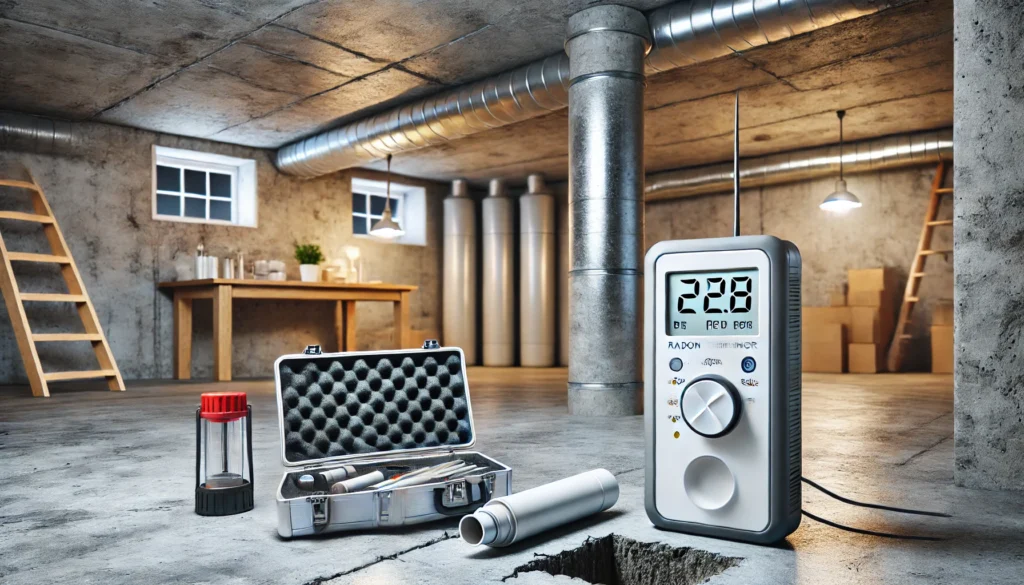
The only reliable way to know whether your unit has elevated radon is to test it directly. A short-term charcoal canister test can produce results in 2 to 7 days. A long-term alpha track detector, left in place for 90 days or more, provides a more accurate average that accounts for seasonal and weather-driven fluctuations in radon levels.
Neither the floor number nor the building age is a reliable predictor of radon levels. Testing the unit you occupy is the only method that provides a definitive answer.
What Residents on Upper Floors Can Do
- Ask your property manager whether the building has been tested for radon, and on which floors
- Request a short-term professional test of your specific unit if no building-level data exists
- If a ground-floor or basement unit in your building has tested high, treat your unit as an elevated-risk case warranting its own test
- Do not assume that a newer, energy-efficient building is lower risk. Tight construction can intensify the stack effect and trap radon more effectively than older buildings with more natural air leakage
If elevated radon is found in an upper-floor unit, remediation is a building-level responsibility. Georgia and South Carolina landlords are generally required to address documented health hazards in rental units. A certified radon test report from an independent company gives tenants formal documentation to support a remediation request.
Protect Your Health Regardless of Floor Level
EnviroPro 360 provides certified radon testing for apartment tenants, condo owners, and property managers throughout Augusta, the CSRA region, and across Georgia and South Carolina. If you live on the third floor or above and have not tested your unit, professional testing is the straightforward way to get a clear, documented answer.
Contact EnviroPro 360 to schedule your test or request a quote.