Renters often assume radon testing is the landlord’s responsibility or the homeowner’s concern. But the health risk from radon does not distinguish between owners and renters. If you breathe the air in a home with elevated radon levels, your lung tissue is exposed to the same radioactive decay products as anyone else who lives there, regardless of whose name is on the lease.
This post covers why renters in Georgia and South Carolina are at real risk, what the law does and does not require, and why testing your own rental is often the most practical step available.
Radon Affects Renters Disproportionately
Several factors make renters more likely to face elevated radon exposure without knowing it. Older rental stock is more common in the CSRA, and older buildings have had more time for foundation cracks to develop and widen. Basement apartments and garden-level units have the highest radon exposure risk because radon accumulates most heavily in the lowest levels of a structure. Many multi-unit buildings have never been tested, particularly smaller landlord-owned properties that fall outside any inspection or disclosure requirement.
Long-term renters face another specific risk: cumulative exposure. A tenant who spends five years in the same apartment is exposed to radon for the same duration a homeowner would be. The absence of a title does not limit the biological effect of years of elevated radon in an indoor environment.
What the Law Requires in Georgia and South Carolina
Neither Georgia nor South Carolina has a statewide law requiring landlords to test for radon, disclose radon levels to tenants, or mitigate elevated concentrations in residential rental properties. This is true for most privately owned residential rentals. Exceptions may apply to federally funded housing, where HUD guidelines can impose additional obligations.
For most renters in the Augusta and CSRA region, the legal landscape means that no one is required to look out for radon in your unit unless you raise the issue yourself. Some landlords have tested and have documentation; many have not. The absence of a legal requirement does not mean the absence of risk.
Why Renters Should Test Independently
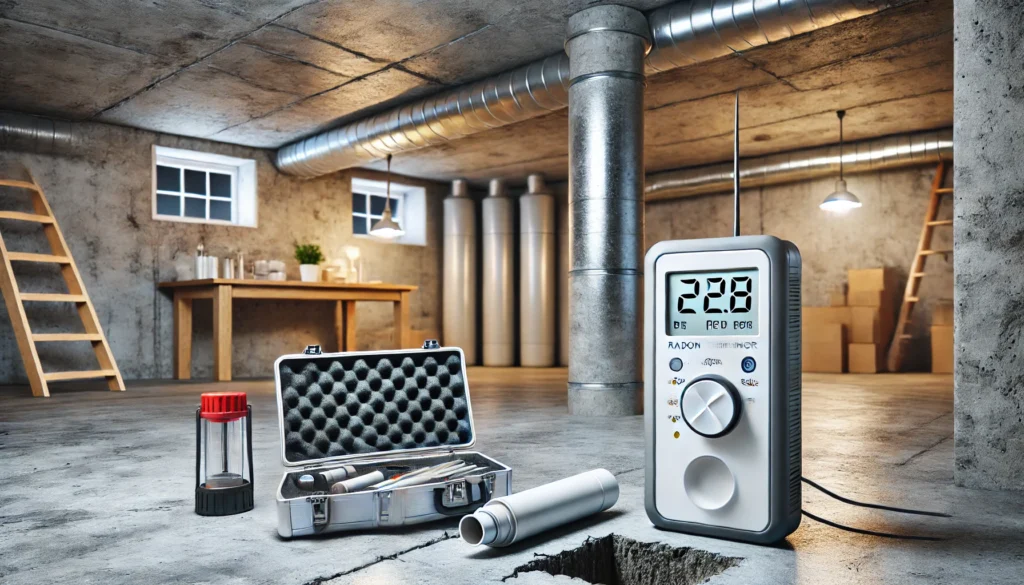
Testing a rental unit gives you information you cannot get any other way. Short-term radon test kits are available at hardware stores for under $30 and provide results within two to seven days. Professional testing from a certified provider is more accurate and generates documentation that carries more weight when presenting results to a landlord.
According to the EPA, radon levels at or above 4.0 pCi/L are considered the action level at which mitigation is recommended. If your test result exceeds this threshold, you have documented evidence of a health risk in your unit. Certified data from a professional testing company is more difficult for a landlord to dismiss than a tenant’s verbal concern.
Even if your landlord declines to act, testing puts you in a position to make an informed decision about your living situation. Some tenants in high-radon situations negotiate lease terms, request remediation as a condition of renewal, or choose not to renew based on documented results. None of these options are available without a test result.
Practical Steps for Renters
Before or after testing, there are several things worth doing:
- Ask the landlord directly. Request documentation of any prior radon testing. A landlord who has tested and has records should be able to provide them. If they cannot, that is useful information.
- Request permission to test. Most landlords will not object to a professional radon test. The process is non-invasive and requires no drilling or modification to the unit.
- Document your communication. If you raise radon concerns in writing and the landlord does not respond or declines to test, keep those records. They may be relevant if elevated results create a habitability question.
- Contact the local health department. Some county health departments in Georgia and South Carolina offer radon information, free or subsidized test kits, or referrals to certified testers.
According to the CDC, radon is the second leading cause of lung cancer in the United States after smoking. The risk accumulates over years of exposure. Renters who plan to stay in a unit long-term have a meaningful interest in knowing their radon levels, regardless of who owns the building.
EnviroPro 360 provides certified radon testing throughout Augusta, Evans, Martinez, Grovetown, North Augusta, Aiken, and surrounding areas of Georgia and South Carolina. If you are a renter who wants accurate test results and clear documentation, contact us to schedule testing.