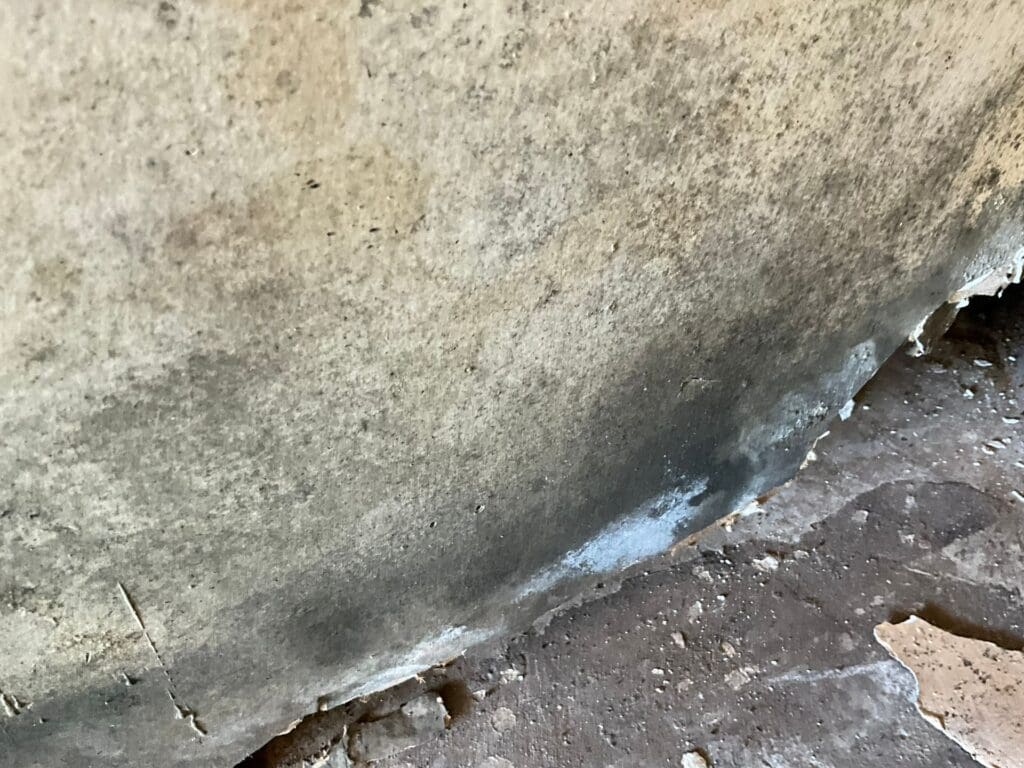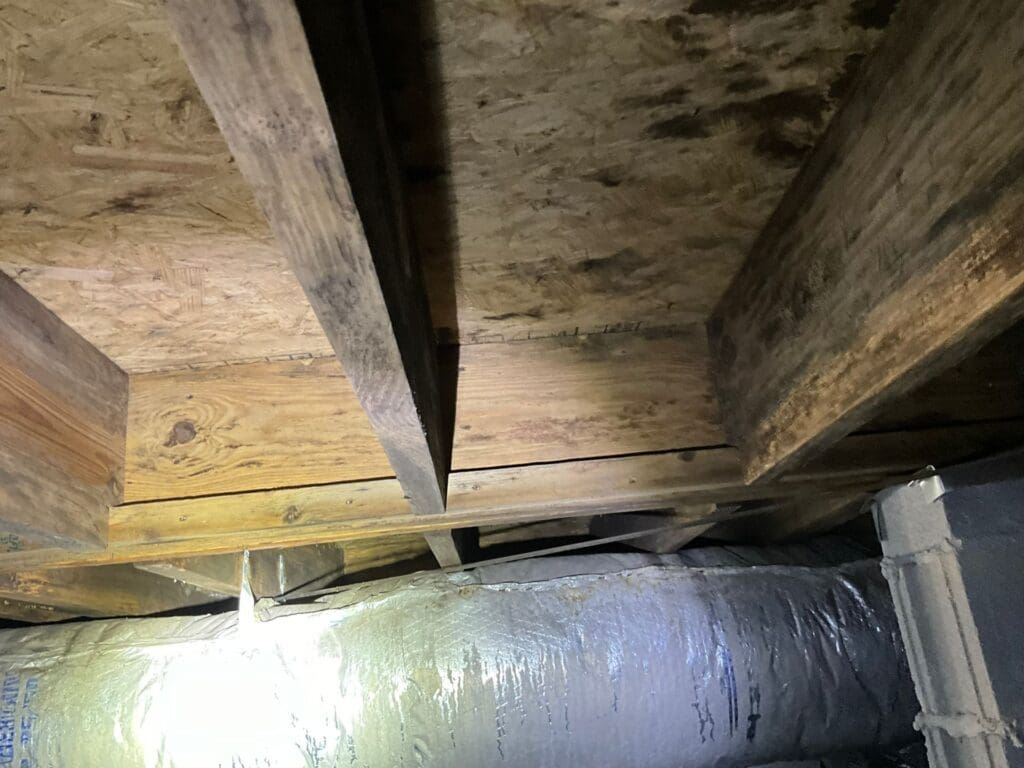
January is the season of fresh starts. Many homeowners and renters use the post-holiday slowdown to clear out closets, garages, and storage spaces that have gone undisturbed for months. Pulling boxes from corners, moving furniture away from walls, opening bins that sat sealed through fall and winter — that process regularly turns up something no one expected: mold.
Decluttering is one of the most consistent ways that people in Augusta and the CSRA discover active mold problems. The growth was there before the cleaning started. The cleaning just made it visible.
Why Storage Spaces Breed Mold in the CSRA
During colder months, CSRA homes seal up tightly. Outdoor air exchange drops, humidity from cooking and bathing accumulates, and storage spaces that were already low on airflow become essentially stagnant. Closets built on exterior walls get cold on one side and warm on the other, creating condensation at the wall surface. Attics and garages experience the same condensation cycle every time temperatures shift between day and night.
Cardboard boxes are especially vulnerable. Cardboard is hygroscopic — it absorbs moisture from the surrounding air. A box stored on a concrete floor, against an exterior wall, or in an unheated garage will gradually pull moisture from its environment. Once the relative humidity inside the box exceeds 60 percent, most common mold species have what they need to grow.
According to the EPA, mold can begin growing on a wet surface within 24 to 48 hours. In the CSRA, the risk does not reset at the end of summer. Fall and winter bring their own moisture cycles: attic condensation from temperature swings, slab moisture migrating through garage floors, and exterior wall condensation from the region’s mild but damp winters. Storage spaces that feel dry in July can accumulate significant moisture by January without any visible water event.
The CDC notes that exposure to damp environments is associated with respiratory problems including asthma, nasal congestion, and throat irritation, even when visible mold growth is not present. Mold releases microbial volatile organic compounds that produce the musty odor associated with moldy spaces well before colonies become large enough to see.
Where to Watch During Decluttering
As you sort through your home, pay close attention to:
- Cardboard boxes stored on concrete floors or against exterior walls — moisture wicks up from concrete and migrates through exterior walls year-round
- Luggage, shoes, and leather goods in closets — soft goods absorb ambient moisture and provide organic material for mold to digest
- Holiday decorations stored in attics, garages, or crawl spaces — all three are high-risk environments for uncontrolled humidity
- Fabric bins and plastic totes that were not sealed airtight — moisture enters and stays
- Wall surfaces behind large furniture or stored items — airflow restriction against exterior walls creates cold spots where condensation forms
- Ceiling corners and upper wall edges in closets — especially on exterior walls where insulation gaps allow cold air infiltration
A persistent musty smell in a specific area is a reliable indicator even without visible growth. If a closet or storage space consistently smells damp no matter how long you ventilate it, there is likely an active moisture source somewhere in the space.
What Not to Do When You Find Mold
Disturbing mold without controlling spore release can spread contamination to other areas of the home. A few practical guidelines:
- Do not scrub or brush visible mold — this aerosolizes spores into the surrounding air
- Ventilate the space if you can do so without drawing air through the rest of the home
- Bag and discard heavily affected porous materials: cardboard, fabric, and paper
- Avoid spraying bleach on porous surfaces — bleach removes the visual stain but does not penetrate deeply enough to address mold roots in drywall or wood
- Wear an N95 mask and gloves when handling visibly affected materials
If the growth covers more than 10 square feet, or if it is in a location that suggests an unidentified moisture source — behind drywall, inside a closet wall, or along a ceiling — professional assessment before further disturbance is the right call.
When Professional Testing Makes Sense
Visible mold on a cardboard box is a different problem than mold growing inside a wall assembly. If you are finding growth in multiple locations, if it is on building materials rather than stored items, or if anyone in the household has been experiencing unexplained respiratory symptoms, professional mold testing provides the information needed to act effectively.
A certified mold inspector can identify whether what you found is isolated or a symptom of a broader moisture issue, what species are present and at what concentrations, where the moisture source is originating, and whether indoor air quality has been compromised. That information determines what remediation is appropriate and prevents the most common outcome of DIY mold cleanup: removing visible growth while leaving the moisture source intact, so the mold returns.
How EnviroPro 360 Can Help
EnviroPro 360 serves homeowners, renters, and property managers across Augusta, Aiken, North Augusta, Columbia, and the surrounding CSRA with certified mold testing, air quality assessment, thermal moisture detection, and post-remediation clearance testing.
If your decluttering turned up something unexpected, contact EnviroPro 360 to schedule an inspection. Understanding what you found and where the moisture is coming from is the right first step.