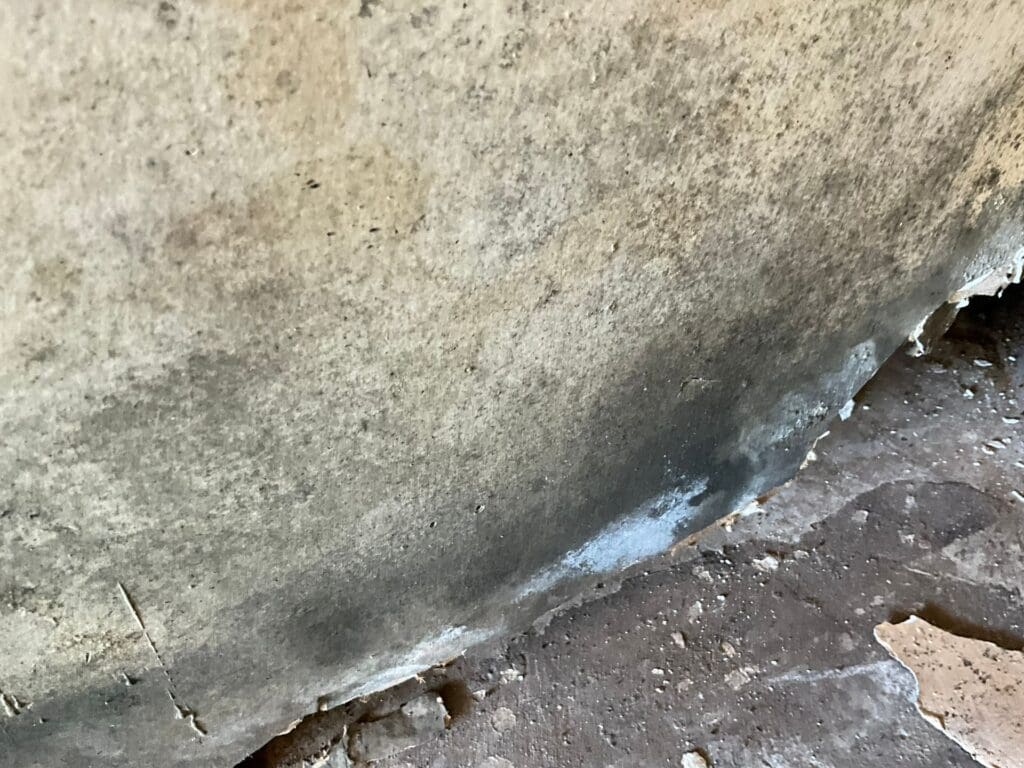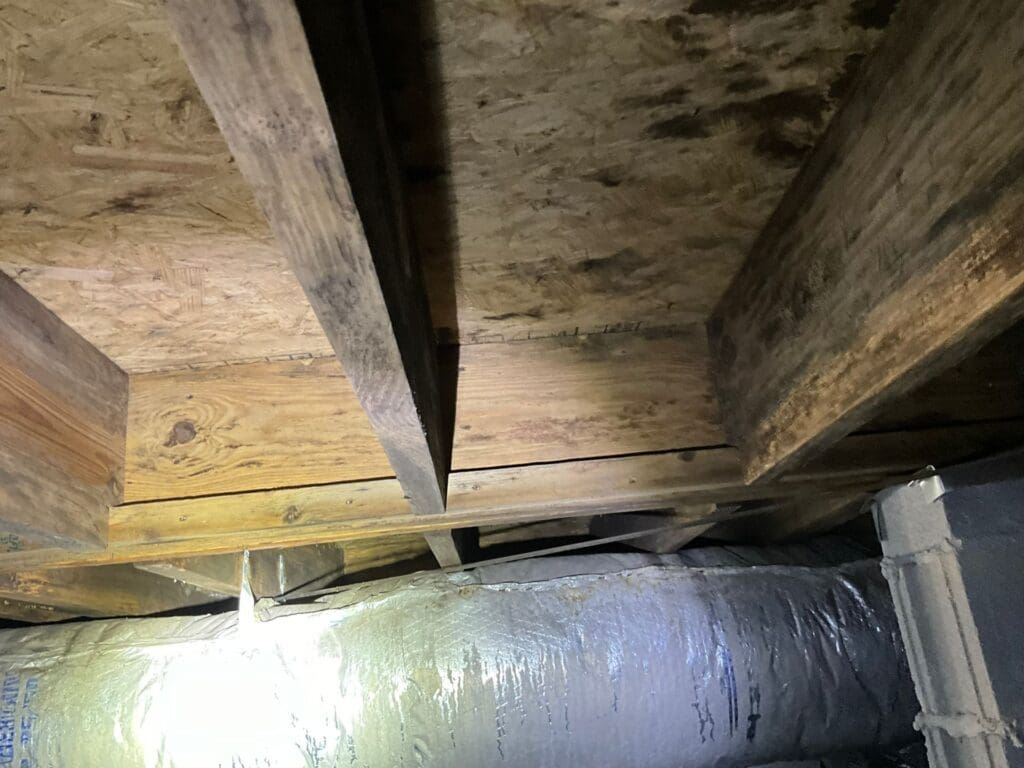
February in Augusta does not feel like winter the way it does further north. Temperatures swing between the low 30s and mid-60s within a single week, and the month averages four to five inches of rainfall, often arriving in multi-day storm events rather than brief showers. The soil across much of the CSRA is clay-heavy, which means it saturates quickly and drains slowly. Homes that sealed up for winter are holding whatever moisture accumulated in the months before.
This is the setup for March and April mold problems that Augusta homeowners often trace back to February, sometimes weeks after the fact.
Why the February-to-March Window Matters
According to the EPA, mold can begin growing on a wet surface within 24 to 48 hours at temperatures between 40 and 100 degrees Fahrenheit. February in the CSRA sits in that range consistently. When rain-saturated soil pushes moisture into crawl spaces, when sustained storms stress aging roof flashing, or when temperature swings produce condensation inside wall cavities, that 24-to-48-hour window begins.
The mold that starts in February often does not announce itself until March, when homeowners begin opening the house for the first time after winter and notice odors, staining, or symptoms that were not present in the fall.
How February Moisture Gets Into CSRA Homes
Several mechanisms are particularly active in late winter:
- Crawl space soil saturation: February’s sustained rainfall saturates the soil under CSRA homes faster than it can drain. Ground moisture vapor rises into crawl spaces, elevating humidity on joists, insulation, and vapor barriers. Older vented crawl spaces without adequate vapor barriers are especially vulnerable.
- Roof flashing under sustained rain: Single-day storms can be managed by sound flashing. Multi-day rain events stress deteriorated flashing at roof penetrations, valleys, and chimney bases, allowing water to track into wall and ceiling assemblies over 48 to 72 hours of continuous pressure.
- Temperature-swing condensation: Augusta’s frequent late-winter temperature swings of 20 to 30 degrees produce condensation in poorly insulated wall cavities and attics. Warm air rises into attic spaces during the warmer part of the day and deposits moisture on the cold roof deck when overnight temperatures drop.
- Foundation hydrostatic pressure: Heavy February rain saturates clay CSRA soils, which expand and push groundwater against foundation walls. Hairline cracks in block or poured foundations that are dry in summer can seep actively during prolonged February rain events.
What February Moisture Does Over the Following Weeks
The CDC notes that damp indoor environments promote mold growth and are linked to respiratory effects including worsening asthma, nasal congestion, and persistent fatigue. When moisture enters a crawl space, wall cavity, or ceiling assembly in February, it does not evaporate quickly in winter conditions. CSRA homes do not begin opening windows or running air conditioning until March or April, meaning wet materials from February rain can remain wet for six to eight weeks before ventilation picks up.
Six to eight weeks of continuous moisture on organic building materials is enough for mold to establish colonies that will survive the spring humidity season and grow significantly worse once outdoor humidity climbs back above 70 percent in April and May.
Warning Signs to Watch for Now
- Musty odors near crawl space vents or below ground-floor rooms after rain
- New water stains on ceilings or walls following storm events
- Soft or damp drywall near the base of exterior walls, particularly in corners
- Increased condensation on windows, especially in rooms that feel cooler than the rest of the house
- Allergy or respiratory symptoms that appeared after February storms and have not resolved
Why Acting in February Is Better Than Waiting for Spring
The instinct is to wait for warmer weather and check things out in April. The problem with that timing is twofold: by April, CSRA outdoor humidity has already started climbing again, accelerating any mold growth that started in February. And moisture readings taken during or just after a rain event are far more diagnostic than the same readings taken during a dry spring week. If the goal is to find the problem and fix it before the spring HVAC season, February is the right time to look.
An inspection in winter, when moisture sources are most active and wet materials are still wet, gives the clearest picture of where water is getting in and what it is affecting. That is far more useful than a snapshot taken after two weeks of dry weather have partially dried the evidence.
How EnviroPro 360 Can Help
EnviroPro 360 serves homeowners and property managers across Augusta, Evans, North Augusta, Aiken, Columbia, and the surrounding CSRA with certified mold testing, moisture detection, crawl space inspections, and indoor air quality assessment. Contact us to schedule a late-winter inspection before February moisture becomes a spring mold problem.