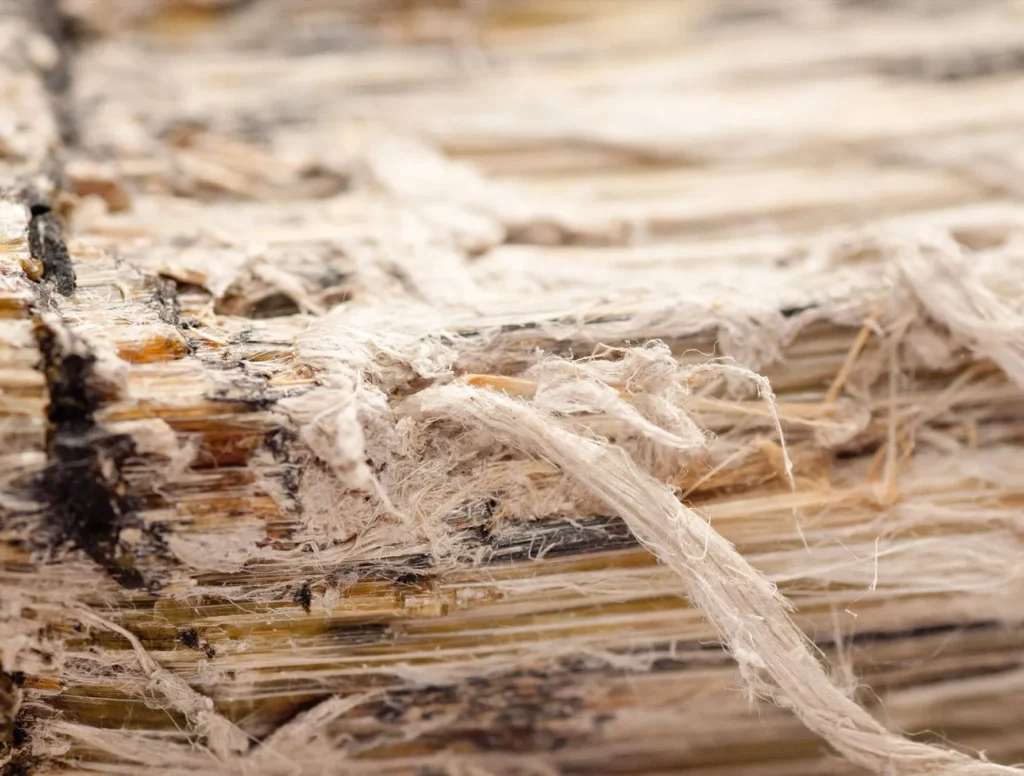
An HVAC contractor replacing a rooftop unit on a commercial building in downtown Augusta cut into the supply ductwork to connect new equipment, standard procedure on a straightforward swap. The building was constructed in 1974. The ductwork was original. What the crew didn’t check before cutting was the corrugated wrap insulation covering roughly forty feet of duct run through the mechanical room, which turned out to contain asbestos. The job stopped mid-cut, and the property owner ended up paying for emergency air monitoring and abatement that a five-minute check beforehand would have avoided.
Asbestos testing conversations tend to focus on pipe lagging, popcorn ceilings, and floor tile. Duct insulation gets less attention, partly because it’s less visually distinctive and partly because HVAC contractors are focused on the mechanical work, not building material history. That gap causes real problems.
Where Asbestos Shows Up in HVAC Systems
Several materials commonly used in duct systems before the mid-1980s contained asbestos:
Duct wrap insulation. Corrugated or flexible insulation wrapped around sheet metal ductwork to reduce heat loss or gain often used asbestos fibers as a component, particularly in commercial and industrial buildings built before 1980.
Transite duct board. Some HVAC systems, especially in commercial buildings, used rigid asbestos-cement board (branded as Transite) to construct ductwork itself, rather than sheet metal. This material can look like ordinary duct board until it’s tested.
Mastic and sealants. The adhesive compounds used to seal duct joints and seams sometimes contained asbestos as a strengthening agent, independent of whether the surrounding insulation did.
Vibration isolation connectors. The flexible fabric connectors joining ductwork to air handling units, meant to dampen vibration, were sometimes woven with asbestos fiber for heat and fire resistance.
This is a distinct category from pipe insulation, which typically wraps plumbing and steam or hot water lines. Ductwork insulation covers the air distribution system specifically, and it’s just as likely to be disturbed during HVAC replacement, retrofit, or repair work.
Why This Gets Missed
HVAC work often happens under time pressure. A failed rooftop unit or dead air handler in the middle of summer creates urgency to get a replacement running, which pushes material verification down the priority list.
Ductwork is often concealed. Above drop ceilings, inside mechanical shafts, or running through chases, duct insulation isn’t part of the visible building surfaces that get flagged during a general asbestos survey focused on floors, walls, and ceilings.
Trade separation creates gaps. The property owner may have had an asbestos survey done years ago for a renovation project that never touched the mechanical room, and the HVAC contractor called in later has no reason to assume that survey covered duct insulation specifically, or to ask.
What the Regulations Require
Under the EPA’s NESHAP asbestos regulations, building owners and contractors are required to identify asbestos-containing material before renovation or demolition activity that could disturb it, including HVAC work that involves cutting, removing, or otherwise disturbing insulation and ductwork. This isn’t limited to major renovations. Replacing a single air handler or repairing a duct section in a pre-1980s commercial building falls under the same requirement if the work disturbs suspect material.
OSHA’s asbestos standard for construction (29 CFR 1926.1101) also requires employers to treat certain materials, including thermal system insulation like duct wrap, as presumed asbestos-containing unless testing shows otherwise, which places the burden of proof on verification rather than assumption.
What Testing Before HVAC Work Looks Like
A pre-work asbestos assessment for HVAC projects typically involves collecting bulk samples of duct wrap, board material, mastic, or fabric connectors from representative sections of the system, then having them analyzed by an accredited laboratory using polarized light microscopy. This process takes days, not weeks, and for scheduled HVAC replacement work, it can be built into the project timeline without significant delay.
For emergency HVAC failures where equipment needs immediate replacement, a faster turnaround assessment focused specifically on the sections of ductwork that will be disturbed can often keep a project on schedule while still meeting the identification requirement.
What to Do
-
If you’re planning HVAC replacement or major repair work in a building constructed before 1980, test the duct insulation before the crew starts cutting. This is a separate check from any prior asbestos survey focused on flooring or ceilings.
-
Ask your HVAC contractor directly whether duct insulation testing has been done. Many contractors will assume it’s someone else’s responsibility unless the property owner raises it first.
-
Keep test results with your building’s asbestos management records. If you’ve had ductwork tested for one project, that documentation should follow the building for future mechanical work, not just the project it was collected for.
If you’re planning HVAC work on an older commercial building and need duct insulation checked before the crew starts, EnviroPro 360 can test it. Reach out here and we’ll help you keep the project on schedule.