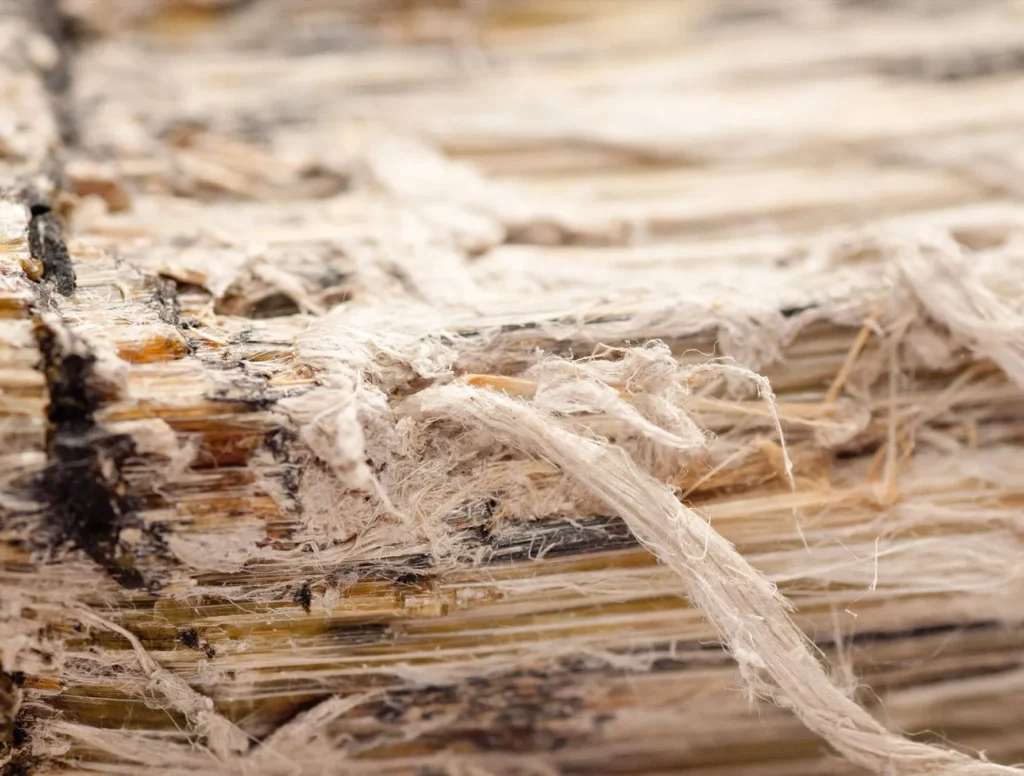
If your home has a popcorn ceiling, you’ve probably wondered: “Could this stuff have asbestos in it?”
It’s a smart question — and one we hear regularly from homeowners across Georgia and South Carolina. Popcorn ceilings were incredibly popular through the mid-1900s, but many were made with asbestos before the health risks were widely understood.
So how do you know if your popcorn ceiling contains asbestos? And what should you do about it? Here’s what you actually need to know.
What Is a Popcorn Ceiling?
Popcorn ceilings — also called stucco ceilings or acoustic ceilings — are bumpy, textured finishes that resemble cottage cheese or popcorn. They were widely used from the 1950s to the 1980s because they were cheap to apply, helped hide surface imperfections, and provided some noise dampening.
You’ll find them most often in:
- Older homes and apartments
- Hallways, bedrooms, and living rooms
- Ceilings that haven’t been touched in decades
If your home was built before the late 1980s, there’s a real possibility that popcorn ceiling texture is still up there — possibly with asbestos in it.
Why Did Popcorn Ceilings Contain Asbestos?
Asbestos was added to ceiling texture compounds because it worked well and cost almost nothing. Specifically, it:
- Strengthened the texture material
- Provided fire resistance
- Mixed easily into spray compounds
- Was cheap and widely available
At the time, it seemed like a sensible building material. The problem is that asbestos fibers, once released into the air and inhaled, cause serious and irreversible damage to lung tissue. Diseases linked to asbestos exposure include mesothelioma (an aggressive cancer affecting the lining of the lungs), asbestosis (progressive scarring of lung tissue), and lung cancer. What makes these diseases particularly dangerous is that symptoms often don’t appear until 20 to 40 years after exposure — by which point, the damage is already done.
What Years Are Most at Risk?
A general rule: if your home was built before 1985, there’s a meaningful chance your popcorn ceiling contains asbestos. The EPA restricted asbestos in spray-applied surfacing materials in 1978, but existing stockpiles continued to be used by contractors for years afterward. Homes built as late as the early 1990s may also be at risk if leftover pre-ban materials were used.
If your home is newer than that, you’re likely safe — but testing is the only way to confirm.
Can You Tell Just by Looking?
You cannot tell whether a popcorn ceiling contains asbestos by looking at it. An asbestos-containing ceiling looks identical to a safe one. The texture, color, and condition give you no reliable information.
The only way to know is laboratory testing of a material sample.
We recommend getting tested before:
- Any renovation work — painting, scraping, installing lights or fans, or opening up the ceiling
- Buying or selling your home
- Any repair to a ceiling that is cracked, peeling, or water-damaged
- Any work done by contractors who will be in the ceiling space
If you’re not planning any of the above and your ceiling is in good condition, it’s generally safe to leave it alone — intact asbestos that isn’t being disturbed poses minimal risk to occupants.
What Happens If You Disturb It?
This is where the risk becomes serious.
Scraping, drilling, sanding, patching, or painting a popcorn ceiling can release asbestos fibers into the air. Those fibers are microscopic — you can’t see them — and they can remain airborne for hours before settling. Once inhaled, they lodge in lung tissue permanently. The body cannot remove them.
A single renovation project where asbestos-containing texture is disturbed without precautions can result in significant fiber release throughout a home. This is why any work on a suspected asbestos ceiling must be handled by licensed professionals using proper containment and protective equipment. This is not a DIY job, regardless of how minor the work seems.
What Does Testing Actually Involve?
Asbestos testing for a popcorn ceiling is simpler than most homeowners expect.
A licensed asbestos inspector visits your home and collects a small bulk sample from the ceiling texture — typically a coin-sized piece, taken using wet methods and sealed containment to prevent fiber release during sampling. The sample is sent to an accredited laboratory for polarized light microscopy (PLM) analysis, which identifies whether asbestos fibers are present and what type.
Results typically come back within a few business days. You’ll receive a written lab report showing whether asbestos-containing material (ACM) was detected and at what percentage. Your inspector will walk you through what the results mean and what your options are from there.
At EnviroPro 360, we provide asbestos testing for homeowners throughout Georgia and South Carolina. We handle sampling carefully — so you get accurate results without unnecessary fiber release during the process.
How Much Does Testing Cost?
Asbestos testing for a popcorn ceiling is typically straightforward and affordable — often in the range of $150 to $300 for the inspection visit and laboratory analysis. If you have multiple ceiling areas or suspect other asbestos-containing materials, the cost scales with the number of samples collected.
That’s a small investment compared to the cost of discovering asbestos mid-renovation — or the long-term consequences of an exposure that wasn’t caught in time.
What If It Tests Positive?
A positive result is not a reason to panic. You have real options depending on the condition of your ceiling and what you’re planning to do with it.
- Encapsulation — A licensed contractor applies a specialized sealant that binds asbestos fibers within the existing texture and prevents release. Alternatively, the ceiling can be covered with new drywall, sealing the texture in place without disturbing it. Encapsulation is appropriate when the ceiling is structurally intact and you aren’t planning to remove or significantly alter it. It’s typically the more affordable option.
- Professional removal — Licensed abatement contractors remove the ceiling texture under controlled conditions: containment barriers, negative air pressure, HEPA filtration, and regulated waste disposal. This is the permanent solution and is required when you’re scraping the ceiling or doing work that makes encapsulation impractical.
- Leave it in place — If your ceiling is undamaged and you’re not planning any renovation, doing nothing is a legitimate choice in the near term. The risk comes from disturbance, not from having asbestos in an intact ceiling.
We’ll help you understand the tradeoffs and costs for your specific situation so you can make the right call for your home.
Final Thoughts
Popcorn ceilings are one of the more common sources of asbestos in homes built before the mid-1980s — and one of the most misunderstood. The material isn’t inherently dangerous when left alone. The danger comes when it gets disturbed, whether during a renovation, a repair, or even well-intentioned maintenance.
If your home has a popcorn ceiling and you’re not sure whether it contains asbestos, the answer is straightforward: get it tested before you do anything to it.
Three steps to take right now:
- Check when your home was built. If it’s pre-1985, popcorn ceilings are a testing priority.
- Don’t disturb the ceiling before you have results. No scraping, sanding, or painting until you know what you’re dealing with.
- Schedule a sample. Testing is quick, affordable, and gives you documented results you can act on.
If you have questions about your popcorn ceiling or want to talk through your situation, the EnviroPro 360 team is happy to help. We provide certified asbestos inspections and testing for homeowners throughout Georgia and South Carolina. Reach out any time.