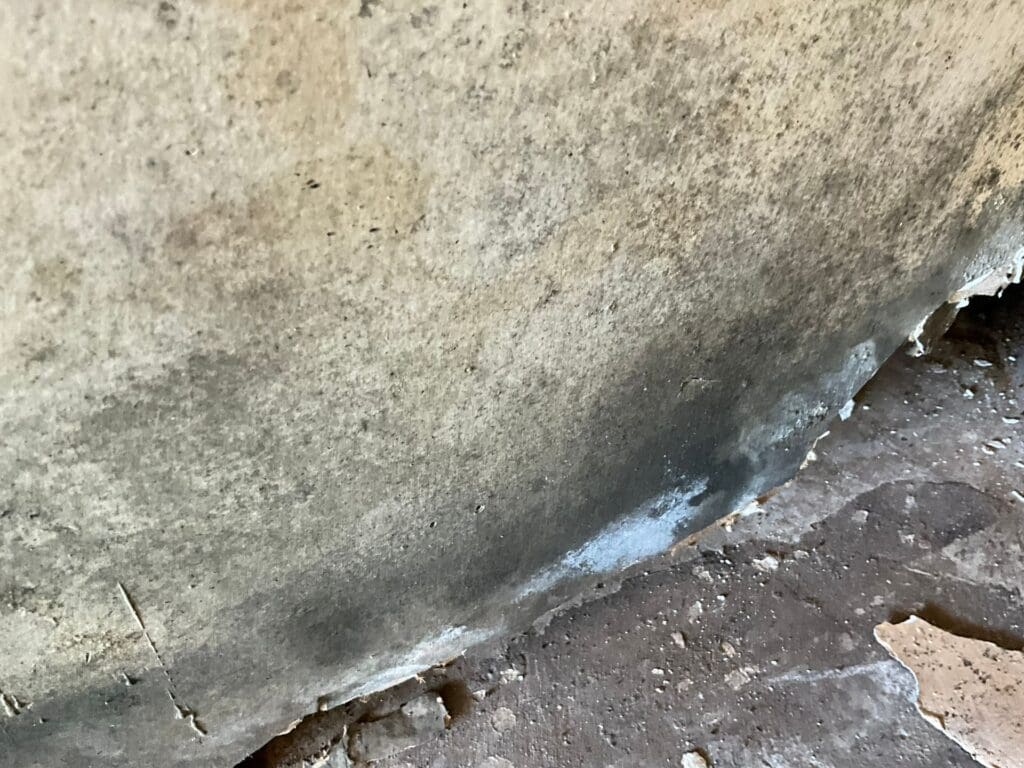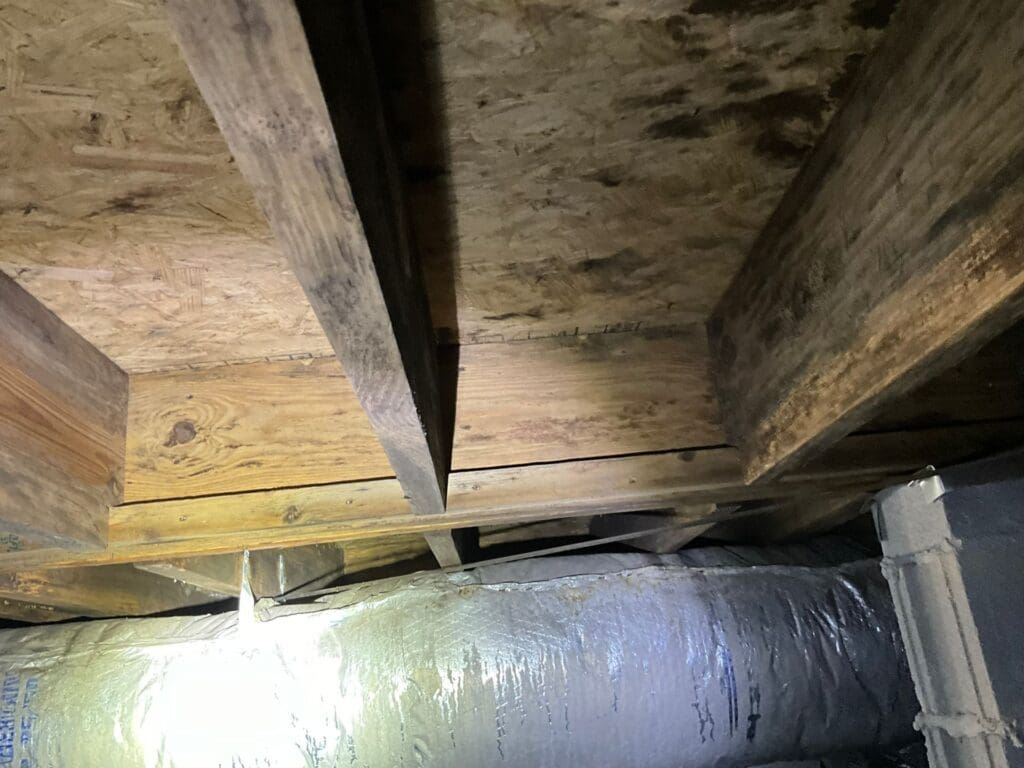
Mold found during a home sale in Georgia or South Carolina is not automatically a deal-killer. But how sellers handle it — before listing, at inspection, or at closing — determines whether the transaction proceeds smoothly or falls apart. Understanding what the law requires, what buyers typically do when mold shows up, and why pre-listing testing is the most cost-effective approach will help you make the right decisions before putting your home on the market.
What Georgia and South Carolina Disclosure Law Requires
Both Georgia and South Carolina require sellers to disclose known material defects in the property. In Georgia, sellers complete a Seller’s Property Disclosure Statement that includes direct questions about moisture intrusion, water damage, and related issues. In South Carolina, the Residential Property Condition Disclosure Statement covers the same territory. In both states, knowingly failing to disclose a material defect — including mold you are aware of — creates legal liability that survives the closing.
The critical word is “known.” Sellers are not expected to discover problems they are unaware of. But once you know mold is present — including after a buyer’s inspector finds it — you cannot pretend otherwise. Sellers who discover mold during the listing process and then fail to disclose it face potential claims for fraudulent concealment that buyers can bring after closing.
The practical implication: if you suspect mold may be present based on your home’s history (prior water damage, musty odors, crawl space issues, high humidity), testing before listing is significantly better than having a buyer’s inspector find it for you.
How Mold Affects Buyer Negotiations
When mold appears on a buyer’s inspection report, the transaction does not automatically end — but it changes. Common outcomes include:
- Buyer requests remediation before closing. The seller agrees to have mold professionally remediated and provides post-remediation verification testing results. The buyer may request an independent re-inspection.
- Price reduction in lieu of remediation. The buyer accepts a reduced price and handles remediation themselves after closing. The reduction typically exceeds the actual cost of remediation because buyers factor in uncertainty.
- Buyer walks away. Particularly likely if the mold is extensive, in the HVAC system, or if the buyer has family members in a high-risk health category.
- Deal falls apart at financing. Some lenders will not close on a property with documented mold present, regardless of seller intent or buyer willingness.
In the Augusta and CSRA market, where many homes have crawl spaces that are exposed to Georgia’s clay-soil moisture year-round, mold discovered during inspection is not uncommon. The CDC notes that moisture control is the key to mold control — buyers and their agents understand this, and discovery of mold in a crawl space or HVAC system tends to raise questions about the whole house’s moisture management history.
Selling As-Is with Mold Present
You can sell a property as-is with mold present, provided you disclose what you know. As-is sales with disclosed mold typically attract a narrower buyer pool — primarily investors or buyers specifically seeking below-market properties. The price discount tends to exceed the actual cost of remediation because buyers price in the uncertainty of not knowing the full extent of the problem.
If the mold is limited and the moisture source has been resolved, a disclosed as-is sale with documentation of the issue may be straightforward. If the mold is extensive or the moisture source is unresolved, expect buyers to apply a significant discount or decline entirely.
Why Pre-Listing Mold Testing Protects Your Sale
Having your property professionally tested for mold before listing gives you several concrete advantages over waiting for a buyer’s inspector to find a problem:
- You control the timeline. If mold is present, you can address it before listing rather than scrambling to negotiate during a purchase contract period.
- Remediation costs are more predictable upfront. You can get competitive bids on remediation at your own pace rather than under closing pressure.
- Clean test results become a selling point. A pre-listing mold inspection report showing no elevated indoor concentrations is a meaningful differentiator, particularly for buyers who have heard how humid Augusta-area summers can be.
- You avoid last-minute deal collapse. Mold discovered by a buyer’s inspector in the final two weeks before closing is the scenario most likely to end a transaction or force a large last-minute price concession.
The EPA’s guidance on mold in homes emphasizes that mold problems are manageable when addressed properly. A pre-listing inspection gives you accurate information to make that decision on your own terms.
Schedule a Pre-Listing Mold Inspection
EnviroPro 360 provides certified mold inspection and air sampling for Georgia and South Carolina homeowners preparing to sell. We provide a documented lab report you can share with buyers, real estate agents, or lenders. Contact EnviroPro 360 to schedule a pre-listing inspection.