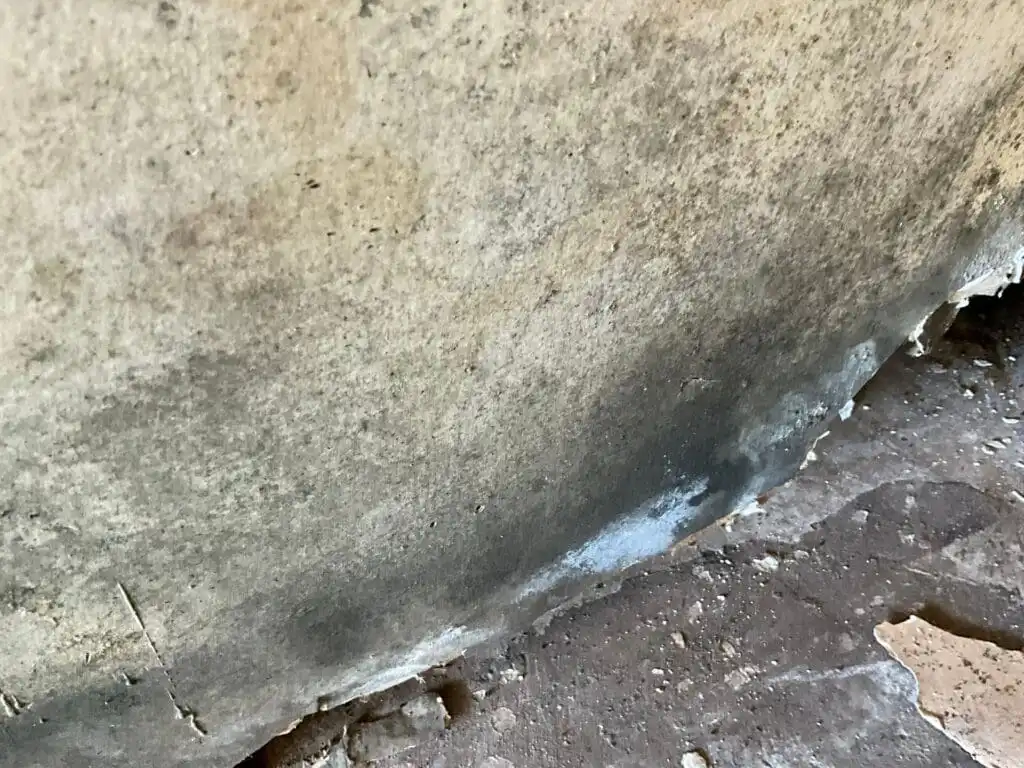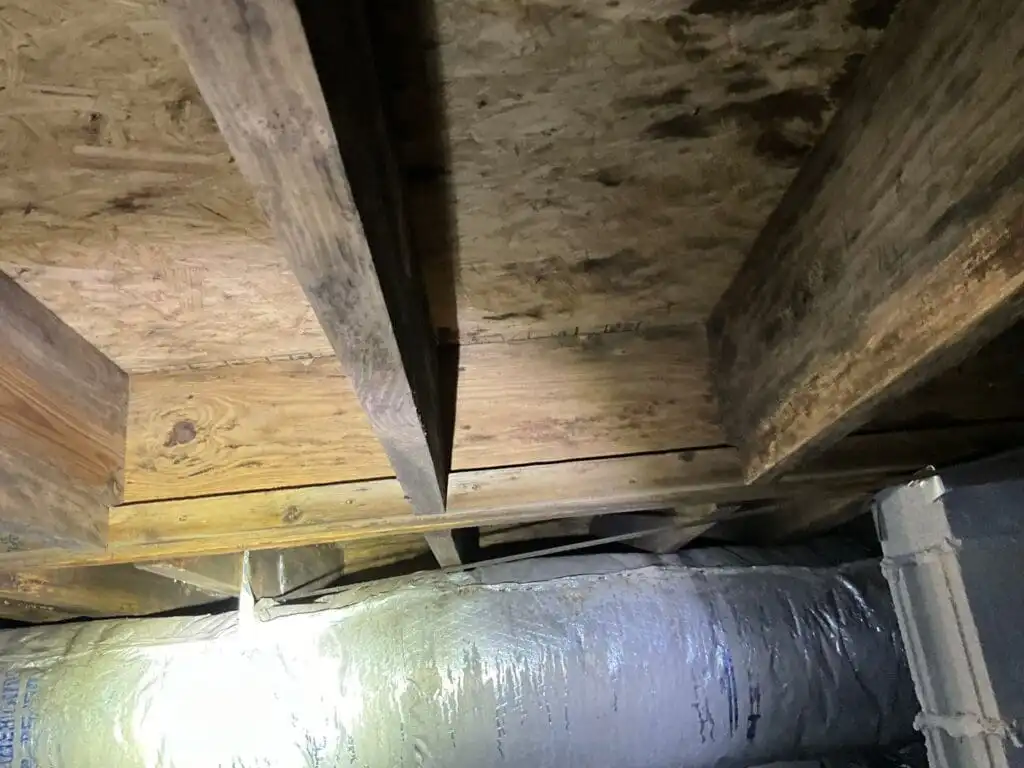
When homeowners spot mold — in a bathroom corner, around an HVAC vent, on a basement wall — the first question is usually about danger level. Is this the toxic kind? Does it need to come out? The answer to the second question is almost always yes, and the reasoning is straightforward regardless of mold species.
What “Toxic Mold” Actually Means
The term “toxic mold” refers to mold species capable of producing mycotoxins — chemical compounds that can cause health effects through inhalation, skin contact, or ingestion. Stachybotrys chartarum, commonly called black mold, is the most frequently cited example and does produce mycotoxins under certain conditions.
The problem with organizing mold response around the “toxic vs. non-toxic” framing is that it implies non-toxic molds are safe to leave in place. The EPA’s guidance is that all mold growth in an indoor environment should be addressed, regardless of species. The reason is not that every mold species produces dangerous toxins. It is that:
- Any mold growth indicates an active moisture source that, if unresolved, will support continued growth and spread
- Common non-toxigenic molds like Cladosporium, Penicillium, and Alternaria are significant allergens that cause respiratory symptoms in sensitized individuals
- You cannot determine a mold’s species, toxicity, or health significance by looking at it — color, texture, and appearance tell you nothing reliable
Why All Indoor Mold Represents the Same Underlying Problem
Regardless of species, every indoor mold colony is evidence of a moisture condition that needs to be fixed. Mold does not establish on dry surfaces. If mold is growing on drywall, wood framing, ceiling tile, or grout, something is keeping that material wet — a plumbing leak, condensation, high ambient humidity, or a water intrusion event that was not properly dried.
Removing the visible mold without fixing the moisture source results in regrowth, typically within weeks. The mold itself is the symptom. Moisture is the cause. This is why “should I remove this mold?” is less important than “why is this mold here, and what is keeping this surface wet?”
When You Can Handle It Yourself
The EPA’s 10 square foot guideline is a useful practical threshold. Mold covering an area smaller than roughly 3 feet by 3 feet on a non-porous or semi-porous surface — ceramic tile, glass, metal, solid wood — can generally be cleaned by a homeowner using a commercial mold cleaner and appropriate protective equipment (gloves, N95 respirator, eye protection).
This applies only if the moisture source has already been fixed. Cleaning mold off tile while the underlying leak continues is a temporary cosmetic fix, not a solution.
When Professional Involvement Is Needed
The CDC recommends professional assessment when mold growth is extensive, when hidden mold is suspected, or when occupants have health conditions that increase their sensitivity to mold exposure. Specific situations that warrant professional testing and remediation include:
- Mold on porous materials — drywall, insulation, carpet, wood framing — which cannot be effectively cleaned and must be removed
- Any mold that keeps coming back in the same location after cleaning, which indicates the moisture source is still active
- Musty odors without visible mold, which suggests growth is occurring behind finished surfaces
- Mold in or near the HVAC system, which spreads spores through the entire house when the system runs
- Growth covering more than 10 square feet in aggregate
- Any mold in a home with occupants who have asthma, allergies, compromised immune systems, or are very young or elderly
What Testing Tells You That Visual Inspection Cannot
Lab analysis of an air or surface sample identifies the mold species present and, in the case of air sampling, the concentration of spores in the indoor environment compared to an outdoor baseline. This matters for several practical reasons:
If elevated indoor spore concentrations are detected without visible mold, it indicates an active hidden source that needs to be located. If species associated with sustained water damage (like Stachybotrys or Chaetomium) are present at elevated levels, it signals that the moisture problem has been ongoing longer than visible growth might suggest. Post-remediation testing confirms that spore levels have returned to acceptable levels after cleanup.
Schedule a Mold Inspection
Whether you have found mold you can see or are dealing with symptoms and odors without visible growth, EnviroPro 360 provides professional mold inspection and air sampling across Augusta and the CSRA to give you accurate information about what is present and where. Contact EnviroPro 360 to schedule an inspection.