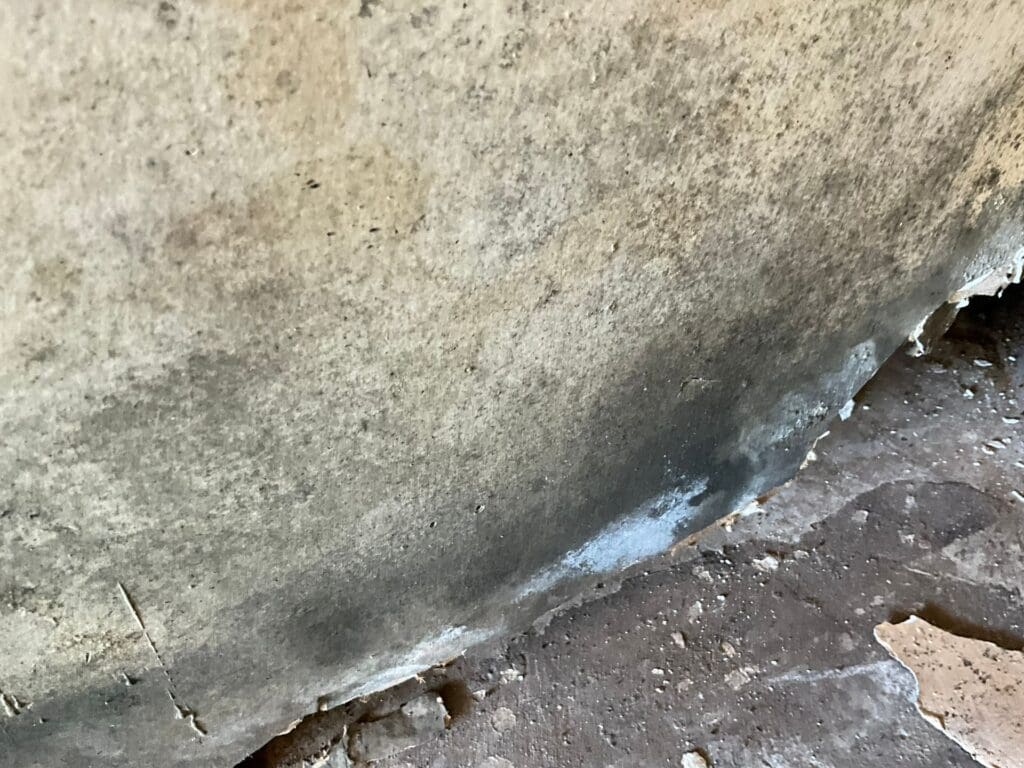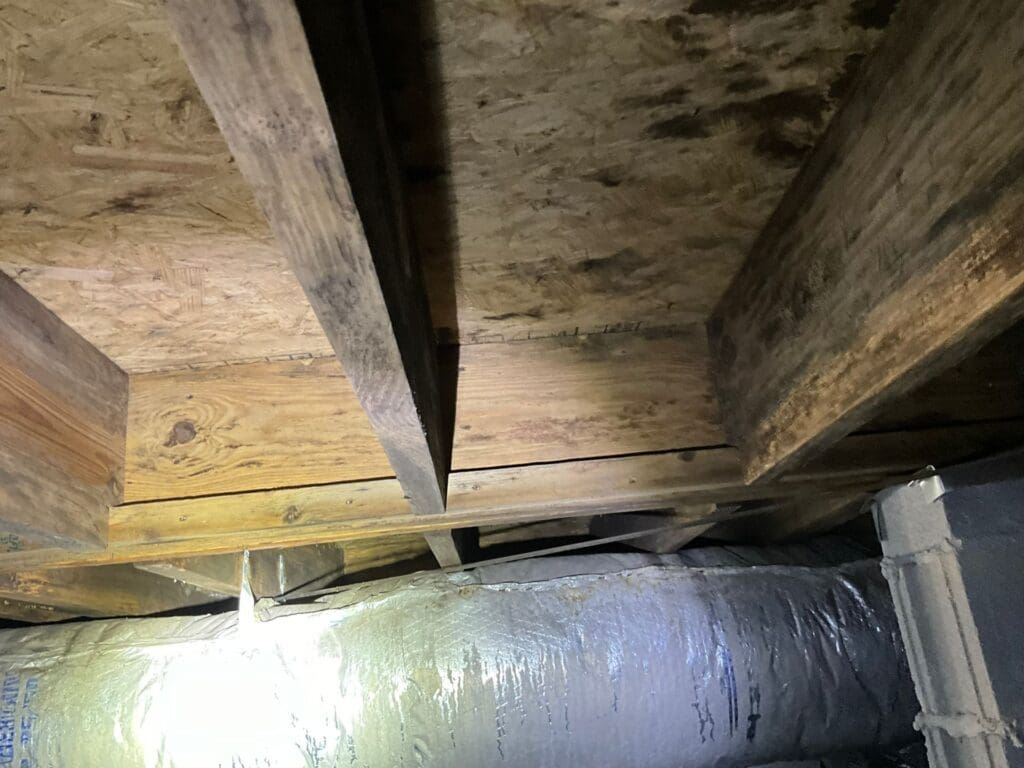
It starts with something simple.
A drip under the kitchen sink. A soft spot behind the fridge. A little water at the base of the water heater.
You wipe it up and promise yourself you will deal with it later.
The problem is that water never waits. That “small drip” can quietly soak into cabinets, drywall, and flooring until you are not just dealing with a plumbing repair. You are dealing with mold, poor air quality, and health symptoms that no one connects to that tiny leak.
For homes in Augusta, Aiken, and across the CSRA, slow plumbing leaks are one of the most common triggers for hidden mold growth.
How A Small Leak Turns Into A Big Problem
Mold does not need a flood. It only needs:
- Moisture
- A food source like wood, drywall, or dust
- Time
A dripping pipe under a sink, a loose connection on an ice maker line, or a hairline crack in a drain can:
- Keep the cabinet or wall cavity damp
- Allow water to wick into wood, particle board, and drywall
- Create a warm, dark space that never fully dries
Within as little as 24 to 48 hours, mold spores can start to grow. You may not see it right away, but it spreads across the back of cabinets, into wall cavities, and under flooring.
Common “Small” Leaks That Cause Hidden Mold
Some of the worst mold cases begin with problems that looked minor at first:
- Under sink leaks from loose traps, cracked supply lines, or failing seals
- Refrigerator and ice maker lines that drip behind the appliance
- Dishwasher leaks along the edge or from a hidden hose
- Laundry room leaks from washing machine hoses or drain lines
- Water heater seepage that keeps a closet or corner damp
- Toilet supply line drips that soak into walls and baseboards
You might never see standing water. The only clues may be a soft cabinet bottom, a swollen baseboard, or a faint musty smell.
From Cabinet Problem To Air Quality Problem
Once mold begins to grow near a plumbing leak, it does not stay politely in one spot.
Spores can:
- Travel through the air into nearby rooms
- Get pulled into return vents and spread through the HVAC system
- Settle into carpets, furniture, and dust
That is when a simple plumbing issue becomes an indoor air quality problem.
People in the home may notice symptoms consistent with what the CDC associates with mold exposure:
- Ongoing congestion or sinus pressure
- Mild cough or throat irritation
- Headaches or fatigue
- Itchy or watery eyes
Symptoms may be worse in certain rooms or when the AC or heat is running.
Signs Your Leak May Have Already Caused Mold
If you know you had a leak, or suspect one, watch for:
- Musty or earthy odor in a cabinet, closet, or room
- Dark staining or discoloration on drywall or trim
- Swollen or warped cabinet bases or toe kicks
- Peeling paint or bubbling texture on lower walls
- Spots that keep reappearing after you wipe them
Any time you see damage that looks like it started from the bottom up, moisture and mold are high on the list of suspects.
The Right Order: Plumber First, Then Testing
When you find a leak, the first step is to stop the active water source. That usually means calling a plumber or shutting off the line and repairing the pipe, valve, or fixture.
Once the leak is fixed, many people stop there. The area dries on the surface, the cabinet feels less damp, and life moves on.
However, water that has already soaked into walls, subfloors, or the back of cabinets can continue to support mold even after the drip is gone.
That is where mold testing comes in.
How EnviroPro 360 Evaluates Leaks And Air Quality
EnviroPro 360 does not repair pipes. We specialize in what happens after or around a leak.
When you call us about a plumbing leak concern, we can:
- Inspect the affected area and surrounding rooms
- Use moisture meters and sometimes thermal imaging to find damp areas inside walls and floors
- Take air samples to check for elevated mold spores near the leak site and in living areas
- Perform surface sampling if visible growth is present
- Provide a clear report from an AIHA accredited lab explaining what was found
From there, we recommend the right next steps, which might include:
- Targeted drywall or cabinet removal
- Professional mold remediation in specific areas
- Follow up testing to confirm the space is safe after work is complete
We serve homeowners, property managers, and businesses across Augusta, Evans, Martinez, North Augusta, Aiken, and surrounding CSRA communities.
Why You Should Not Ignore That “Little” Leak
It is tempting to wait. To slide a towel under the pipe and call it a day.
But leaks do not stay little. They spread quietly, and the cost of ignoring them often shows up later as:
- More extensive mold growth
- Higher remediation costs
- Lingering health complaints inside the home
A simple plumbing repair plus a focused environmental check now is almost always cheaper and easier than a full mold project later.
Protect Your Home And Your Air
If you have had a plumbing leak or are worried that a “small drip” may have been going on for a while, you do not have to guess about what it has done to your home.
Contact EnviroPro 360 today to schedule a mold and moisture inspection. We will help you understand whether the problem stayed in the pipe or spread into the air you breathe, and what to do next if it did.