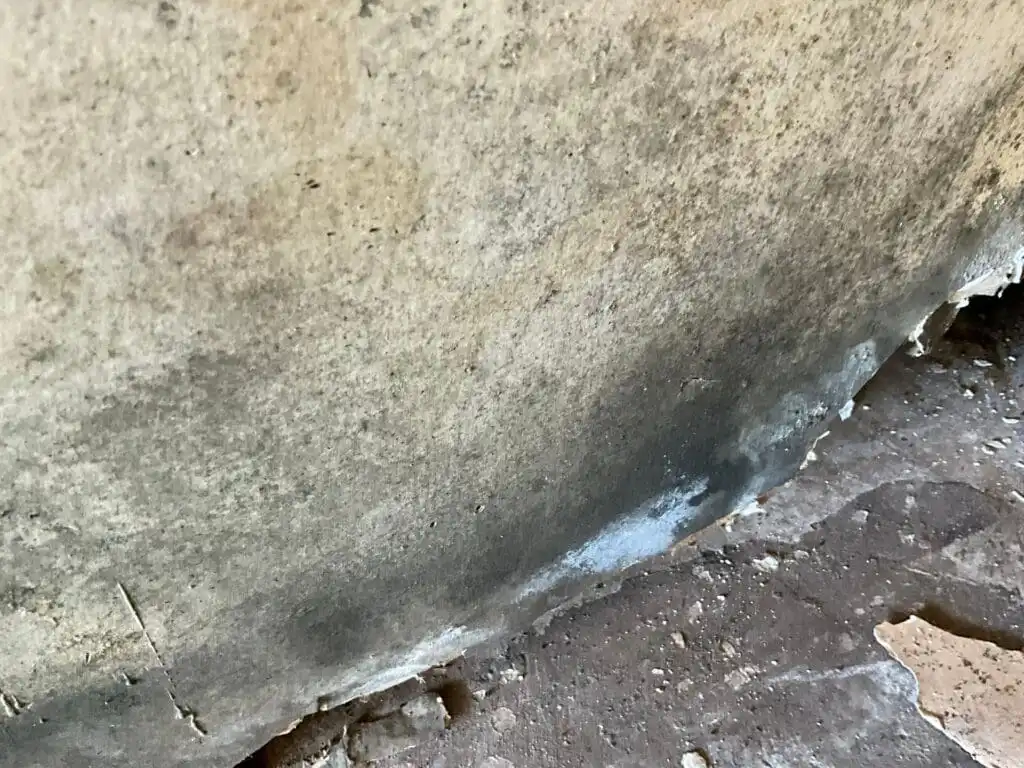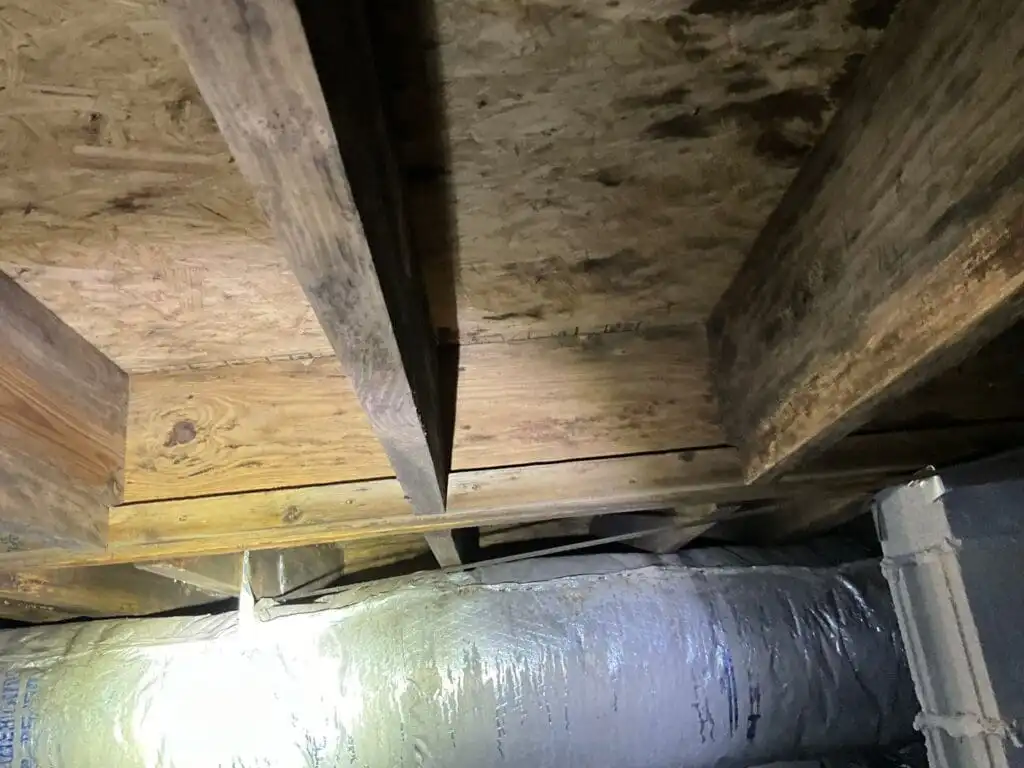
During a home purchase in Grovetown, a buyer’s home inspector flagged visible staining under the bathroom sink and a musty odor in the crawl space. The inspector documented both observations but noted they fell outside the scope of a standard home inspection and recommended further evaluation by a specialist.
That recommendation is common and appropriate. General home inspectors are trained to observe and document, not to identify mold species or assess contamination levels. When an inspector flags mold or suspected mold, the next step is a certified mold assessment, not a decision about whether to walk away from the property.
What a Home Inspector Can and Cannot Tell You About Mold
A general home inspector may note visible discoloration, water staining, musty odors, or suspected microbial growth during their walkthrough. What they cannot do is confirm the species, determine the concentration, map how far the contamination extends, or assess whether indoor air quality has been affected.
Without that information, the mold finding in the inspection report is an observation, not a diagnosis. The certified mold inspector’s role is to answer the questions the general inspector raised: what type of mold is present, how extensive is it, and what is the appropriate next step.
Why the Finding Matters Beyond Aesthetics
Mold is not primarily a cosmetic concern. According to the CDC, mold exposure can cause nasal stuffiness, throat irritation, coughing, wheezing, and eye irritation in otherwise healthy people. For individuals with asthma, respiratory conditions, or weakened immune systems, the effects can be significantly more serious. Children and elderly individuals are also more vulnerable to the respiratory effects of prolonged mold exposure.
Beyond health, mold indicates a moisture problem. Moisture problems left unaddressed cause structural damage: wood rot, failing insulation, deteriorating drywall, and weakened subfloor systems. The mold visible during an inspection is often a symptom of a moisture condition that has been present for some time. The EPA emphasizes that fixing the moisture source is the essential first step in any mold response, because mold cleaned without addressing the underlying moisture will return.
The Five Steps After a Mold Finding During Inspection
1. Schedule a certified mold assessment immediately. The due diligence period is time-limited. Contact a certified mold assessor to inspect the property and collect samples for lab analysis. The assessment will identify the mold species, measure concentrations, map the extent of contamination, and document moisture readings. This report is what you need to make an informed decision and to negotiate effectively.
2. Review the assessment report carefully. A certified mold assessment report includes the types of mold present, their concentrations relative to outdoor baseline levels, moisture source identification, and a scope of affected materials. Understanding these details determines whether you are dealing with a manageable surface problem or a more extensive contamination requiring significant remediation.
3. Get a remediation estimate from a licensed contractor. With the assessment report in hand, a licensed remediation contractor can provide an accurate scope and cost estimate. The assessment report defines what needs to be addressed; the remediation estimate tells you what that work will cost. These should be two separate professionals: the assessor has no financial interest in finding more mold, and the remediator should not be the one defining their own scope of work.
4. Use the documentation in negotiations. A certified mold assessment report is a credible document that can support a request for a price reduction, seller-paid remediation, or credit at closing. In Augusta and the CSRA, where crawl spaces and high humidity make mold a routine discovery in older properties, buyers and real estate attorneys are familiar with this process. Documented findings carry more weight than a verbal claim from either party.
5. Require post-remediation clearance testing before closing. Once remediation is complete, a post-remediation verification (PRV) test confirms whether the work was successful. This independent verification protects you from closing on a property where remediation appeared complete on the surface but the underlying contamination was not fully addressed. EnviroPro 360 performs clearance testing as a separate service from the initial assessment.
Practical Advice for Keeping the Transaction on Track
Mold findings do not automatically derail real estate transactions, but they do require prompt action to avoid unnecessary delays:
- Schedule the certified mold assessment within one to two business days of receiving the home inspection report
- Keep copies of all inspection reports, assessment reports, remediation estimates, and clearance test results in a single documentation file
- Communicate findings to your real estate agent and attorney in writing rather than verbally
- Do not close walls or finish spaces before post-remediation clearance testing is complete and documented
Why Certified Documentation Matters to Lenders and Attorneys
Lenders, title companies, and real estate attorneys handling transactions in Georgia and South Carolina require professional documentation when mold is part of a transaction. A hardware store test kit and a verbal assurance from the seller are not equivalent to a written assessment from a certified mold assessor with IICRC credentials and AIHA-accredited lab results. If mold becomes part of a legal or lending dispute, the quality of the documentation determines its usefulness.
EnviroPro 360 holds IICRC mold inspector certification and conducts all laboratory analysis through AIHA-accredited labs, producing reports formatted for use by contractors, real estate professionals, lenders, and attorneys.
EnviroPro 360 serves home buyers, sellers, and real estate professionals across Augusta, Evans, Martinez, Grovetown, North Augusta, and Aiken with certified mold assessment and clearance testing. If mold was identified during a home inspection, contact us to schedule an assessment during your due diligence period.