EnviroPro 360

Heating season can trap moisture and spores indoors. Learn practical, standards-based steps to prevent mold and protect indoor air quality this winter.

Winter HVAC & Indoor Air Quality: Stop Mold Before It Starts

Why mold risks rise in heating season Winter means closed windows, longer run times for heat, and temperature swings that push indoor moisture to cold surfaces. That combination creates condensation in ductwork, around windows, and inside wall cavities where mold can take hold. The EPA’s core rule of thumb is simple: control moisture, and dry […]

Winter HVAC & Indoor Air Quality: Stop Mold Before It Starts Read More »

Air allergen testing detects more than just mold. It reveals hidden irritants like pollen, insect debris, and fiberglass in your air. Here’s when to test your home or workplace.

What Is Air Allergen Testing—and Who Really Needs It?

You dust, you clean, and your home still triggers allergy symptoms. Ever wonder why? It might not be mold. It might not be pets. You could be breathing in invisible allergens that never crossed your mind—until now. Air allergen testing is a specialized environmental test that identifies non-mold airborne irritants, including: These particles float in

What Is Air Allergen Testing—and Who Really Needs It? Read More »

PCR testing for mold is ideal for hospitals and clinics where air quality is critical. Here’s what’s in the nosocomial panel and why proactive testing matters.

What Is PCR Mold Testing for Hospitals and Healthcare Spaces?

When it comes to healthcare environments, the stakes for air quality are high. A small amount of hidden mold or fungal contamination can put vulnerable patients at risk. That’s why more hospitals, clinics, and long-term care facilities are turning to PCR testing—specifically the Comprehensive Nosocomial Panel—to proactively monitor indoor air. This highly sensitive test doesn’t

What Is PCR Mold Testing for Hospitals and Healthcare Spaces? Read More »

ARMI testing measures mold in indoor dust using 13 key species. It's a cost-effective, science-backed tool to assess mold risk—learn how it works and when to use it.

What Is ARMI Testing and How Does It Compare to ERMI?

When it comes to measuring mold indoors, accuracy matters—but so does accessibility. ARMI testing, or the American Relative Moldiness Index, was developed as a streamlined version of the ERMI test to help evaluate mold levels in water-damaged buildings using fewer species and a simplified index. While ERMI analyzes 36 molds, ARMI focuses on 13 core

What Is ARMI Testing and How Does It Compare to ERMI? Read More »

ERMI testing is one of the most advanced mold assessments available. Here’s what it means, how it works, and when to request it for your home or business.

What Is ERMI Testing—and Should You Use It for Mold Detection?

When mold becomes a concern in your home or workplace, you need more than just a surface-level inspection. You need data. That’s where ERMI testing comes in. ERMI stands for the Environmental Relative Moldiness Index, a panel developed by the U.S. Environmental Protection Agency (EPA) to scientifically evaluate the mold burden in indoor environments—especially those

What Is ERMI Testing—and Should You Use It for Mold Detection? Read More »

Before any demo or renovation, a certified asbestos survey is required. Use this practical checklist to plan, notify, and document work in Georgia and South Carolina.

Pre-Renovation Asbestos Survey Checklist for Property Managers in …

Why every renovation needs an asbestos survey Under EPA’s Asbestos NESHAP, owners and operators must conduct a thorough inspection of the renovation or demolition area to determine the presence of asbestos-containing material (ACM). This applies to most facilities and non-single-family projects. Performing work per NESHAP prevents contamination during and after construction. In Georgia, EPD requires

Pre-Renovation Asbestos Survey Checklist for Property Managers in … Read More »

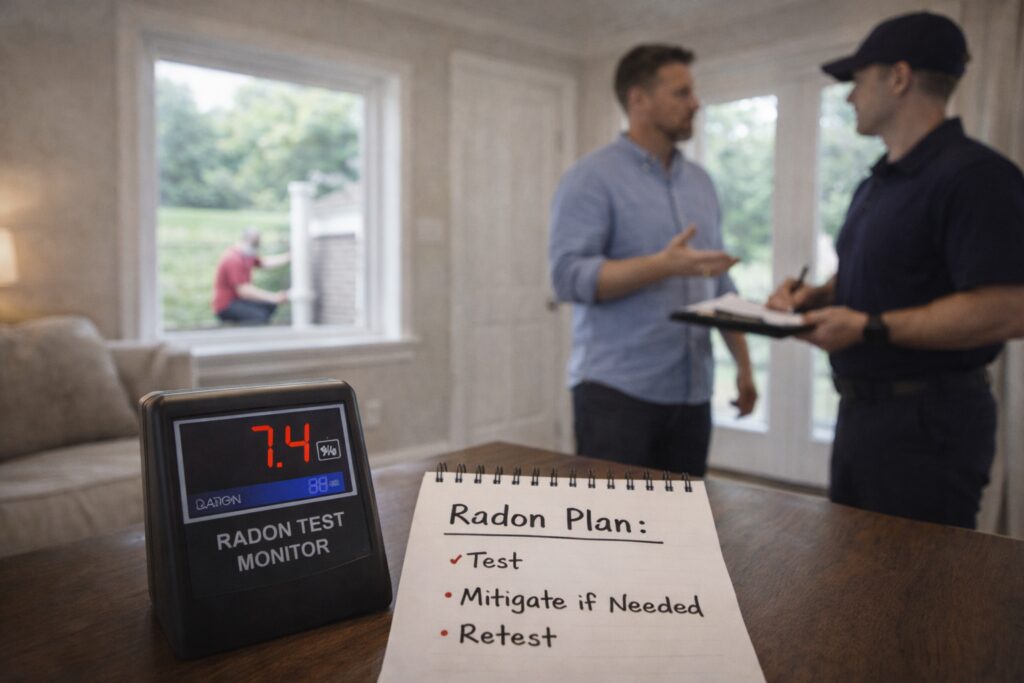
Winter can trap radon indoors. Learn why levels rise, how to test correctly, and what Georgia and South Carolina homeowners should do if results are high.

Winter Radon Testing Guide for Georgia & South Carolina: Why …

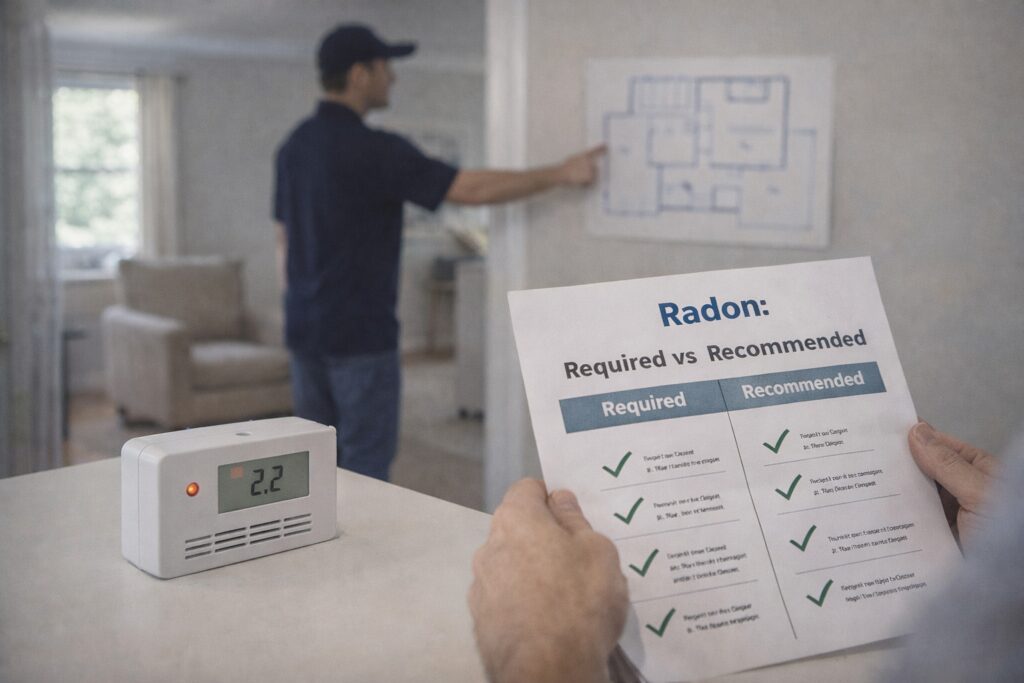
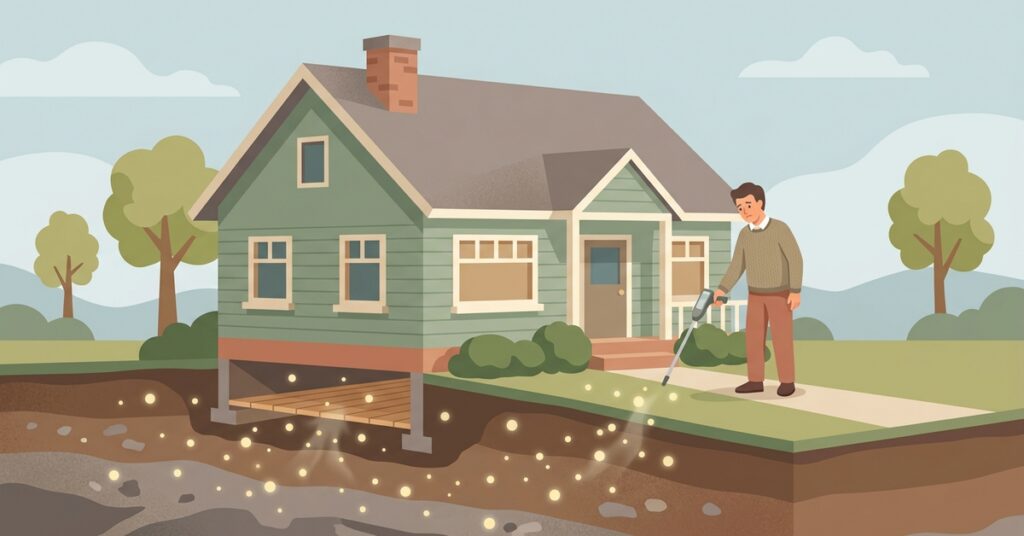
Why radon matters more in winter Radon is a colorless, odorless radioactive gas that seeps from soil into buildings. The EPA and the Surgeon General estimate radon contributes to about 21,000 lung cancer deaths in the U.S. each year, which makes it a major indoor air risk for both smokers and non-smokers. The EPA’s recommended

Winter Radon Testing Guide for Georgia & South Carolina: Why … Read More »

Winter is prime time for indoor renovations—but don’t start ripping out walls just yet. Learn why asbestos testing should be your first step before any remodeling project begins.

Winter Renovations Could Reveal a Hidden Threat: Should You Test …

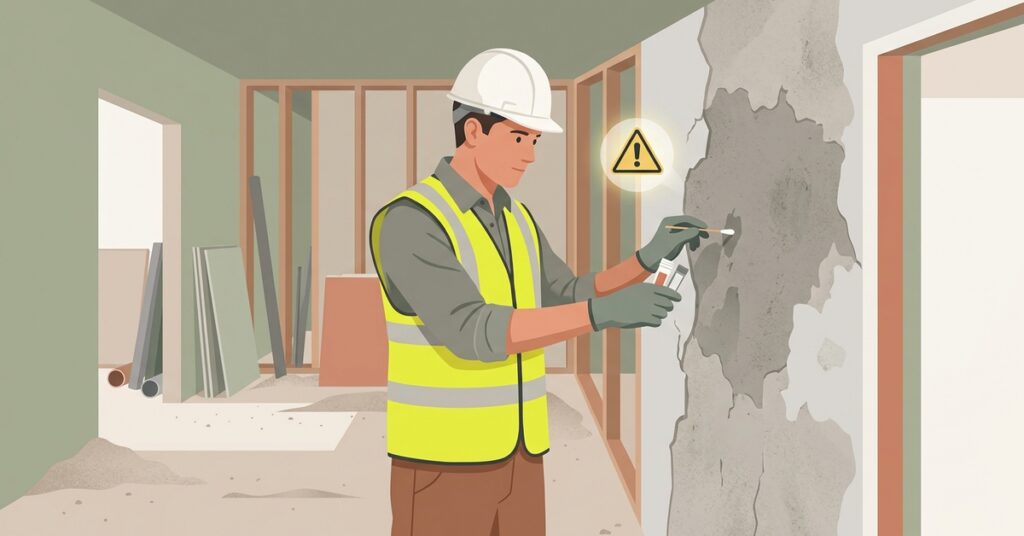
Cold weather might push projects indoors—but it could also stir up danger beneath the surface. When winter arrives, contractors and DIYers shift their attention indoors. That means more home renovations, commercial remodeling, and infrastructure updates—especially in older buildings. But before you start tearing out ceiling tiles or sanding down old insulation, there’s one critical question

Winter Renovations Could Reveal a Hidden Threat: Should You Test … Read More »

Radon levels rise when homes are sealed tight for winter. Learn why the colder season is actually the best time to schedule your radon test.

Cold Weather, High Risk: Why Winter Is the Best Time to Test for …

When the temperature drops, most people worry about staying warm—not what’s lingering in the air they’re breathing indoors. But winter isn’t just cold season—it’s radon season, too. If you’ve been putting off radon testing, here’s why the winter months are the most accurate and most important time to get it done. Why Radon Levels Rise

Cold Weather, High Risk: Why Winter Is the Best Time to Test for … Read More »

Winter leaks are silent troublemakers. Learn how hidden moisture inside walls or ceilings leads to mold, structural damage, and costly repairs — and how to catch them early.

Winter Leaks, Hidden Damage: How Small Drips Turn Into Big Proble …

When Winter Weather Turns Into Water Damage Winter in Georgia and South Carolina may not bring blizzards, but the season creates the perfect storm for hidden leaks. Cold snaps, freezing nights, heavy rain, and increased heater usage all put added stress on building materials and plumbing. The result is often silent: slow, unnoticed moisture behind

Winter Leaks, Hidden Damage: How Small Drips Turn Into Big Proble … Read More »

Scroll to Top