Augusta and the CSRA are full of pre-1940s homes with wide porches, original hardwoods, and the kind of architectural character that newer construction rarely matches. But those same homes were built before modern safety regulations existed. Asbestos was a standard construction material, moisture barriers were not required, and ventilation standards were decades away from being written into code. If you own, buy, or renovate a property built before 1940, you may be dealing with two hazards at once: asbestos-containing materials and mold growth that has had a generation to take hold.
What Pre-1940s Construction Actually Contained
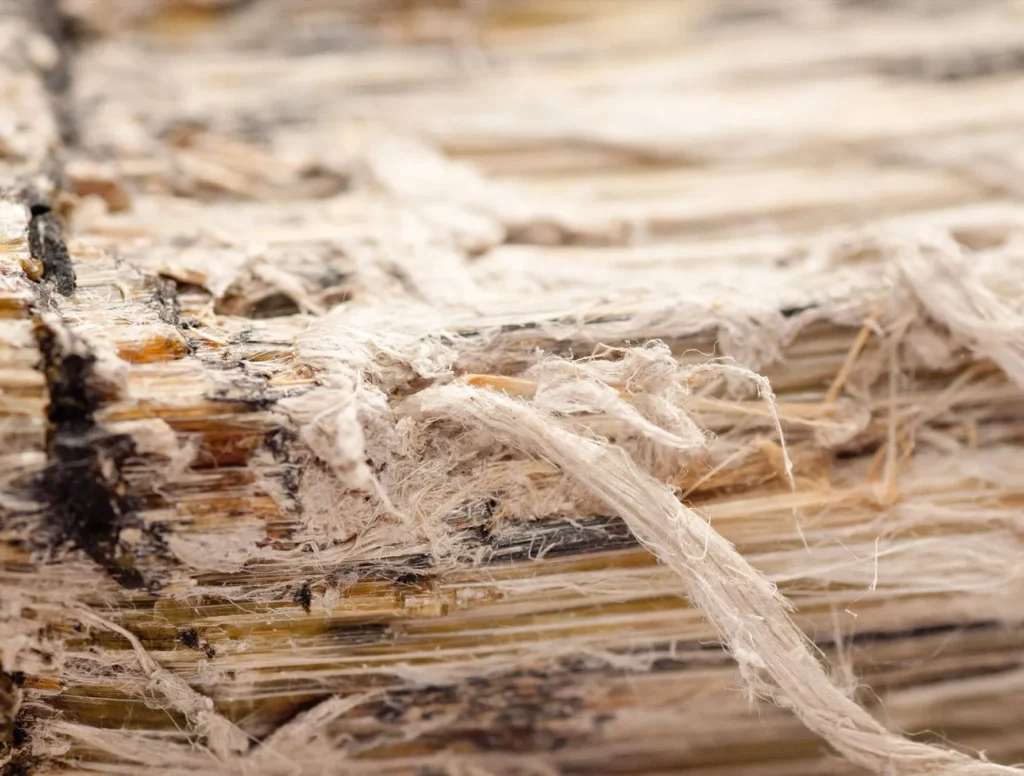
Asbestos was not a fringe product in early 20th-century construction. It was used widely because it handled heat, resisted fire, and was inexpensive to apply. In homes built before the 1940s, asbestos-containing materials are commonly found in:
- Floor tiles and the adhesive used to set them
- Pipe and boiler insulation, especially in homes with older steam or hot water heating systems
- Ceiling texture and plaster
- Roofing shingles and felt underlayment
- Exterior siding, particularly the flat compressed panels that were marketed as durable and low-maintenance
- Insulation wrap around HVAC ductwork and around structural beams
The EPA classifies asbestos as a known human carcinogen, and exposure to airborne fibers is associated with mesothelioma, asbestosis, and lung cancer. Asbestos that is intact and undisturbed may pose limited immediate risk, but any renovation work in a pre-1940s home has a high probability of disturbing materials that contain it.
Mold in Older Homes Is a Different Problem
Mold needs moisture. In a home that has been standing for 80 or 90 years, moisture has had time to accumulate in ways that are not always visible from the inside. Common sources of moisture intrusion in pre-1940s properties in the Southeast include:
- Crawl spaces without vapor barriers, where ground moisture moves directly into the framing
- Original plumbing that has slow leaks behind plaster or lathe walls
- Roof sections that have been patched repeatedly and allow seasonal seepage
- Basement walls built without waterproofing, which absorb groundwater during rain events
- Single-pane windows and poor weatherstripping that allow humid CSRA air to condense on interior surfaces
The EPA notes that mold can cause respiratory symptoms, allergic reactions, and worsening of asthma, particularly in people with compromised immune systems or existing lung conditions. In a home with active mold growth behind walls or under flooring, those occupants may be exposed for months before anyone identifies the source.
What makes pre-1940s homes particularly complicated is that mold and asbestos problems often exist in the same spaces. A slow leak in a ceiling that contains asbestos plaster damages the material, releases fibers, and promotes mold growth simultaneously. Inspecting for one hazard without the other gives you an incomplete picture of what you are dealing with.
Renovation Triggers: When Testing Is Not Optional
Some older homes are purchased and occupied without significant changes. But when renovation work starts, the risk profile changes entirely. Any project that involves opening walls, replacing floors, removing ceilings, upgrading HVAC, or modifying plumbing in a pre-1940s property can disturb both asbestos-containing materials and hidden mold growth.
Testing before work begins is the correct sequence for several reasons. It identifies what materials are present before workers disturb them. It gives contractors accurate information for scoping abatement or remediation work. It protects you from discovering a problem mid-project, which typically means work stoppages, emergency abatement costs, and delays that were preventable. Specific situations that warrant testing before any work starts include:
- Replacing original flooring or removing floor tiles
- Knocking down walls or opening up load-bearing structures
- Upgrading plumbing or removing old pipe insulation
- Converting a basement, attic, or crawl space into finished living space
- Removing popcorn ceilings or skim-coating original plaster
- Replacing original windows, which often requires cutting through window frames that contain lead or asbestos glazing compound
Buying a Pre-1940s Home in Augusta or the CSRA
Buyers are in a particularly difficult position because a standard home inspection is not designed to identify asbestos or mold with any precision. A home inspector can note visible water staining or damaged insulation, but they are not sampling materials or running air quality tests. For a pre-1940s property, an environmental assessment that includes asbestos sampling and mold inspection gives you information that a standard inspection cannot.
If testing reveals asbestos-containing materials in stable condition that will not be disturbed, that is a manageable situation. If it reveals friable asbestos in areas that any renovation will touch, you have a clear scope of what abatement work needs to happen and what it will cost before you close on the property or sign a renovation contract. The same logic applies to mold: knowing the extent of the problem before you own the house is worth far more than discovering it after.
What EnviroPro 360 Provides for Historic Properties
EnviroPro 360 works with homeowners, buyers, and property managers across Augusta, North Augusta, Aiken, and the surrounding CSRA. For pre-1940s properties, our team provides:
- Certified asbestos sampling and inspection with accredited laboratory analysis
- Comprehensive mold inspections using thermal imaging and air sampling to identify hidden moisture intrusion
- Dust characterization testing to identify asbestos-containing particles in HVAC systems or disturbed areas
- Pre-purchase environmental assessments for buyers who want to know what they are buying before they commit
- Pre-renovation surveys that satisfy contractor requirements and, where applicable, state notification obligations under Georgia EPD and SC DHEC Regulation 61-86.1
Survey reports include material identification, condition assessments, sample results from accredited labs, and a clear summary of what the findings mean for any planned work. That documentation is useful for your contractor, your insurance carrier, and your own records.
Schedule Testing Before Work Starts
If you own or are purchasing a pre-1940s property in the Augusta area and are planning renovation work or simply want to understand what your building contains, the right time to test is before anyone picks up a tool. Environmental testing on a historic property is not an obstacle to renovation. It is the step that keeps the project moving without surprises.
Contact EnviroPro 360 to schedule mold and asbestos testing for your historic or pre-1940s property in Augusta, Aiken, North Augusta, or the surrounding CSRA.