Your home office is where you get things done. The door is closed, the laptop is open, the coffee is nearby, and you are in the zone.
But if you are working from home in Augusta, Aiken, or anywhere in the CSRA, there is a good chance your home office is also the stale, stuffy, and most neglected room in the house when it comes to air quality.
Headaches. Afternoon brain fog. Burning eyes. A musty smell you notice when you first walk in.
Sound familiar?
You might not be dealing only with screen fatigue or stress. You might be sitting in a small, sealed space where mold, dust, and allergens have more control than you do.
Why Home Offices Are High Risk For Mold And Poor Air Quality
Most home offices were never designed as full time workspaces. They used to be spare bedrooms, bonus rooms, or converted dining rooms. Now they hold:
- Electronics that create heat
- Closed doors for privacy
- Paper, books, and fabric that trap dust
- Often, minimal ventilation
That combination can turn a home office into a perfect micro climate for mold and indoor allergens. Common Home Office Conditions That Invite Mold
- The door stays shut most of the day
- The room gets warm from computers and equipment
- Vents may be partially closed or blocked by furniture
- Exterior walls or windows may have condensation when weather changes
- A small bathroom or closet is attached and rarely aired out
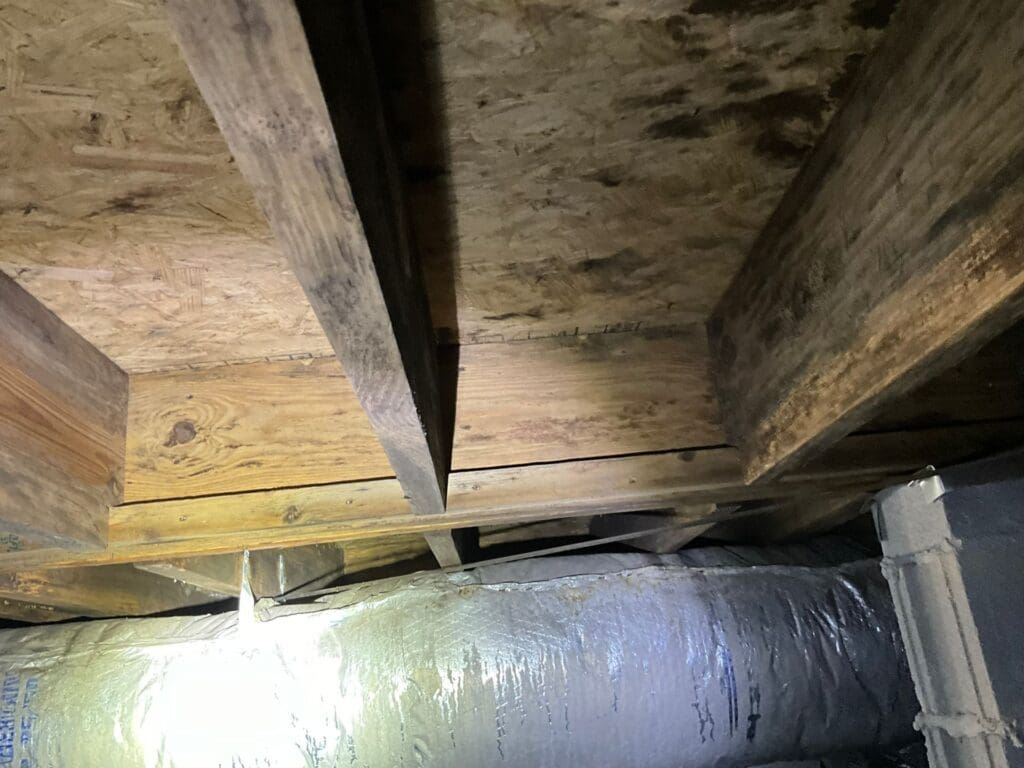
Over time, humidity and heat build up and create moisture pockets in corners, behind furniture, or around windows. That is exactly where mold likes to settle.
Signs Your Home Office Might Be Making You Feel Worse
It is easy to blame the job or the screen for how you feel, but your body might be reacting to the room itself. According to the CDC, indoor mold exposure is associated with nasal irritation, coughing, throat discomfort, and worsened asthma, symptoms that are easily mistaken for screen fatigue or work-related stress.
Watch for these patterns:
- Headaches or pressure that start after you sit down to work
- Burning, itchy, or watery eyes while you are at your desk
- Scratchy throat, mild cough, or congestion that fades when you leave the room
- A musty or stale smell when you first open the office door
- The room feels stuffy or heavy compared to the rest of the house
If you feel better in the living room or outside, then feel worse again when you return to your office, that is a strong clue the air in that room is part of the problem.
Hidden Places Mold Can Grow In A Home Office
Even if your office looks clean and tidy, mold can be hiding in places you rarely see.
Behind Furniture On Exterior Walls
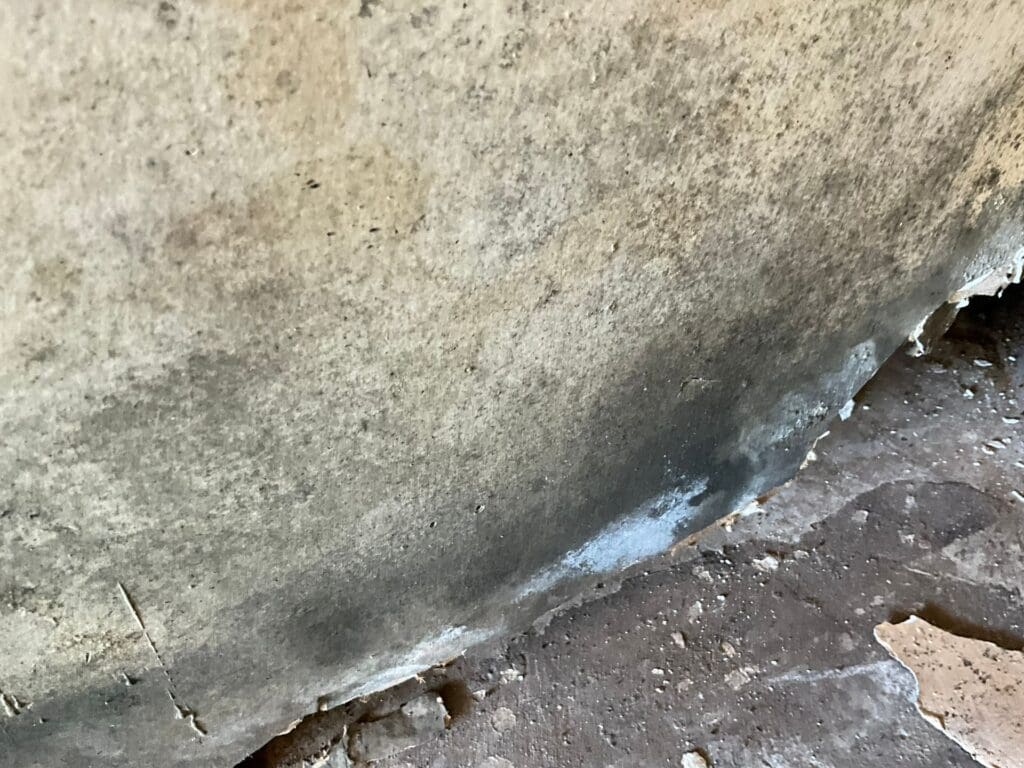
Desks, bookcases, and filing cabinets pushed against outside walls can trap moisture. If there is poor insulation or temperature swings, condensation can form behind those pieces and feed mold on:
- Drywall
- Baseboards
- Carpet or padding
Around Windows And Window Units
If your office has a window AC unit or older windows, moisture can collect on sills and frames. Over time, that can lead to:
- Soft, swollen wood
- Black or dark spotting around caulk or trim
- Stains on the wall below the window
Under The Desk And Around Cables
Power strips, electronics, and cables can create warm pockets. If there is any moisture in the room, dust and humidity can combine to support mold on carpet, rugs, or the underside of furniture.
Closets Or Small Bathrooms Off The Office
If you have a closet or half bath connected to the office that stays shut most of the time, these areas can become very humid and stagnant. Any small plumbing leak, toilet condensation, or poor exhaust in that nearby bathroom can allow mold to grow and spread air contaminants into the office.
It Is Not Just Mold: Air Allergens In Your Workspace
Mold is one part of the problem. Home offices also collect:
- Dust and skin cells from hours of sitting
- Pet dander, especially if pets like to nap near your desk
- Tiny fibers from carpet, upholstery, or paper
- Pollen that sneaks in on clothes or shoes
Because the door is closed, those particles often build up faster in the home office than in open living areas.
What You Can Do Right Now
There are a few simple steps you can try on your own:
- Open the door and windows when possible to increase airflow
- Make sure the HVAC vent is open and not blocked by furniture
- Dust and vacuum with a vacuum that uses a HEPA filter
- Move large furniture slightly away from exterior walls
- Check around windows, baseboards, and under the desk for any discoloration or musty smell
If you notice visible spots, recurring odor, or symptoms that just will not let up, it is time for more than a quick clean.
How EnviroPro 360 Can Help Check Your Home Office
EnviroPro 360 specializes in mold testing and indoor air quality inspections for homes and businesses across Augusta, Evans, Martinez, North Augusta, Aiken, and the greater CSRA.
When you ask us to check your home office, we can:
- Inspect the room and any connected spaces for moisture and visible issues
- Use moisture meters and possibly thermal imaging to find hidden damp areas
- Perform air sampling in the office to test for mold spores and other allergens
- Take surface samples if there are suspicious spots or dust patterns
- Provide a clear, written report from an AIHA accredited lab
If we find a problem, we also give you practical next steps, which may include:
- Referral to a qualified mold remediation contractor if mold is confirmed
- Suggestions for improving ventilation and humidity control
- Options for retesting after repairs to confirm the issue is resolved
Why Work From Home Should Not Mean Work From Mold
Your home office should support your productivity and health, not quietly undermine both.
If you suspect that your workspace is stuffy, musty, or making you feel worse by the end of the day, you do not have to guess or just live with it.
Contact EnviroPro 360 today to schedule a mold and air quality inspection for your home office and the surrounding areas. We are here to help you create a truly healthy environment to work, live, and breathe in every day.