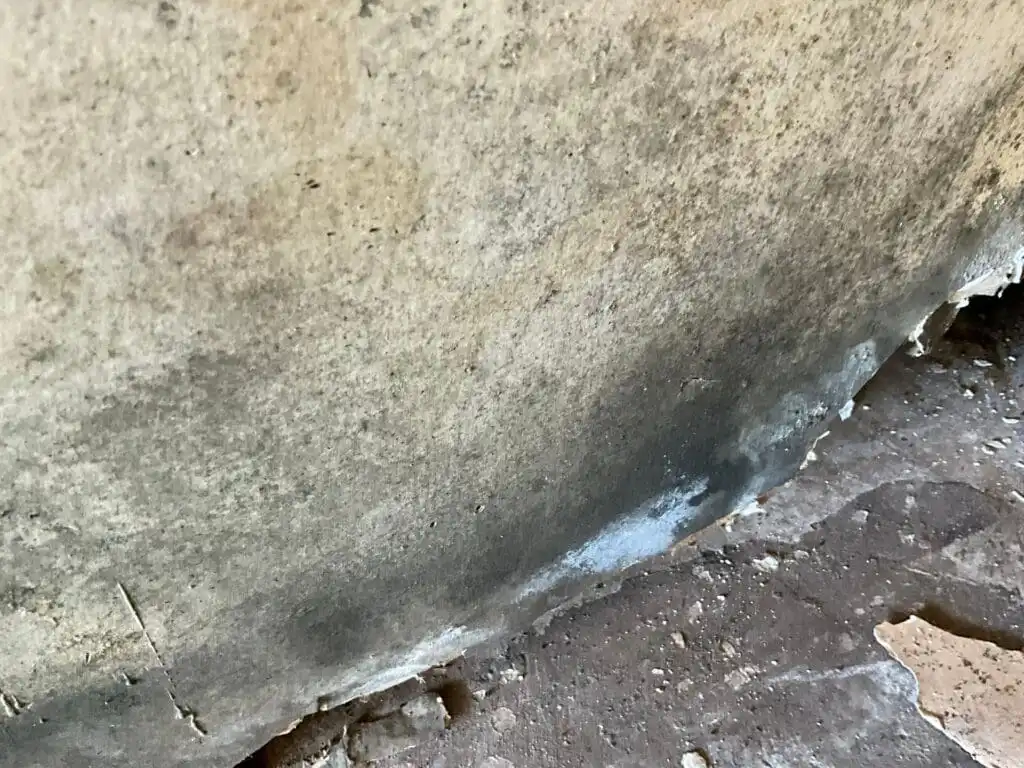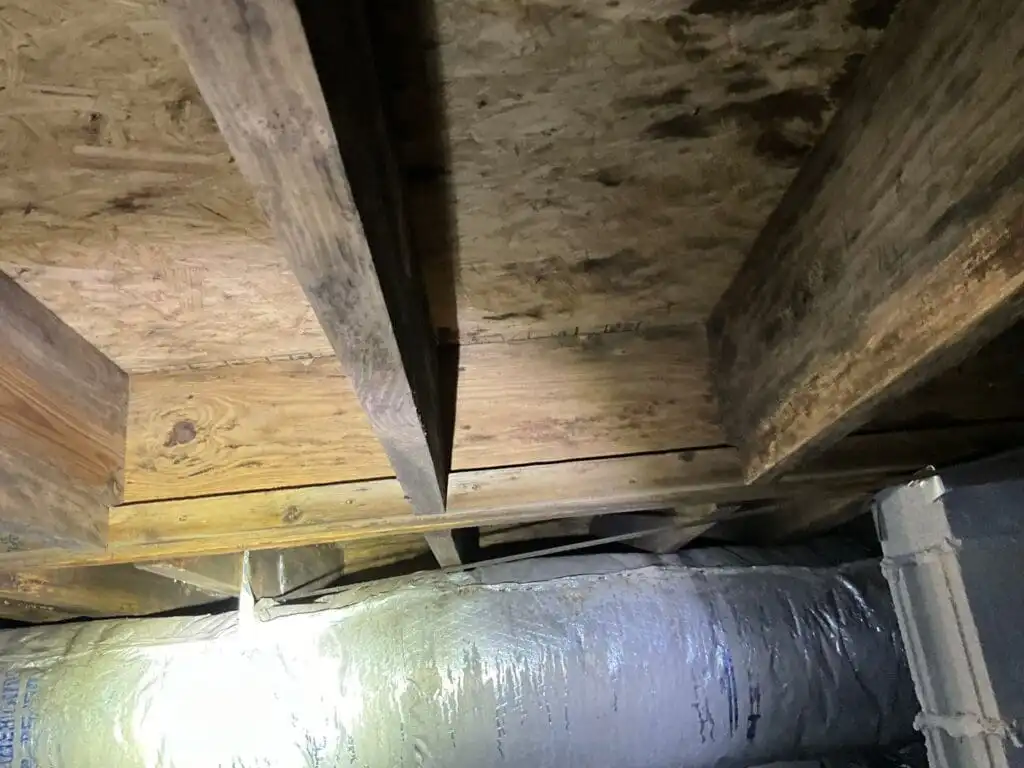
Here’s an example scenario: a homeowner in Augusta finds dark growth on the drywall behind a bathroom vanity. She searches online for “black mold” and is immediately buried in alarming articles about toxic mold syndrome, neurological damage, and families forced to abandon their homes. Within an hour, she’s convinced her house is uninhabitable.
Here’s what the internet won’t tell her: the color of mold tells you almost nothing about its health risk. Dozens of mold species appear dark or black. Some are genuinely concerning. Many are common and relatively benign. You cannot determine the danger of a mold colony by looking at it. Only laboratory analysis of a sample can identify the species and assess the risk.
The term “black mold” has become a catch-all for anything dark and scary-looking. It’s worth separating the facts from the fear.
What People Mean by “Black Mold”
When most people say “black mold,” they’re referring to Stachybotrys chartarum, a species that produces dark green to black colonies and grows on materials with high cellulose content (drywall paper, ceiling tiles, cardboard) that have been wet for an extended period. Stachybotrys is a slow grower that requires sustained moisture, not just elevated humidity, to establish itself.
Stachybotrys gets the headlines because some strains produce mycotoxins, toxic compounds that the mold releases as part of its metabolic process. The mycotoxins most associated with Stachybotrys are satratoxins, which belong to a group called trichothecenes. These compounds can cause irritation and, at high exposure levels, more serious health effects.
The CDC states that all molds should be treated the same from a removal standpoint, regardless of species. The CDC does not recommend routine testing to determine which species of mold is present before taking remediation action, because the response is the same: find the moisture source, fix it, and remove the contaminated materials.
Other Dark-Colored Mold Species
Many common mold species produce dark or black colonies but are not Stachybotrys:
Aspergillus niger. One of the most common molds found indoors worldwide. It produces black spore heads and grows on a wide variety of surfaces. Aspergillus species can cause allergic reactions and, in immunocompromised individuals, a serious infection called aspergillosis. According to the CDC, Aspergillus is the most common cause of invasive mold infection in immunocompromised patients.
Cladosporium. Extremely common both indoors and outdoors. It often appears olive-green to dark brown or black. Cladosporium is a significant allergen and can trigger asthma symptoms, but it rarely causes serious infection in healthy individuals.
Alternaria. Another very common mold, frequently dark-colored. It’s a well-known allergen and one of the most common mold types found in homes. It thrives in damp areas around showers, under sinks, and in areas with water damage.
Chaetomium. Often found on water-damaged drywall and produces dark colonies. Some species produce mycotoxins. Chaetomium is commonly found alongside Stachybotrys in water-damaged buildings because both prefer similar high-moisture conditions.
Penicillium. While often blue-green, some Penicillium species appear dark. Penicillium is one of the most common indoor molds and a significant source of allergenic spores.
The point is straightforward: looking at mold and seeing that it’s dark doesn’t tell you what species it is, what it’s producing, or how concerned you should be.
What Actually Makes Mold Dangerous
The health risk from mold depends on several factors, none of which can be determined by visual inspection:
Species and Mycotoxin Production
Some mold species produce mycotoxins and some don’t. Within species that can produce mycotoxins, production depends on environmental conditions (nutrient availability, moisture, temperature, competition with other organisms). Not every colony of a toxigenic species is actively producing mycotoxins.
Spore Concentration
The amount of mold matters more than the type for most health effects. A large colony of a “common” mold species like Cladosporium or Penicillium can produce millions of spores that trigger allergic reactions and asthma. The EPA notes that any mold growth in an indoor environment should be addressed, regardless of the species.
Individual Susceptibility
People respond differently to mold exposure based on their immune status, respiratory conditions, age, and genetic predisposition. Children, elderly individuals, people with asthma, and immunocompromised individuals are all more susceptible to adverse effects from mold exposure. What causes mild irritation in one person can trigger severe asthma attacks or respiratory infection in another.
Exposure Pathway
Mold spores must be inhaled (or in some cases, contacted through skin) to cause health effects. Mold growing inside a sealed wall cavity produces different exposure levels than mold growing on an open surface in a living area. Air sampling measures what occupants are actually breathing, which is more meaningful than surface sampling alone.
When Testing Matters
The CDC and EPA both say that visible mold should simply be removed regardless of species. So when does species identification add value?
Unexplained symptoms without visible mold. If occupants are experiencing health symptoms consistent with mold exposure but no mold is visible, air sampling can detect elevated spore concentrations and identify the species present. This helps locate hidden growth.
Post-remediation verification. After mold remediation, air sampling confirms that spore levels have returned to acceptable levels. Species identification can verify that the problematic species found before remediation is no longer present in elevated concentrations.
Medical documentation. If occupants are being treated for respiratory conditions or allergic reactions potentially related to mold, species identification from air samples provides documentation for healthcare providers. Some allergists use this information to guide treatment decisions.
Real estate transactions and disputes. When mold is discovered during a home sale or when tenants and landlords disagree about the severity of a mold problem, laboratory results carry more weight than visual observation.
Insurance claims. Some insurance companies request laboratory documentation of mold type and extent when processing claims related to water damage and mold.
What You Should Do
-
Don’t panic over color. If you find mold in your home, the appropriate response is the same regardless of what color it is: identify the moisture source, fix it, and address the mold. Dark mold doesn’t automatically mean toxic mold.
-
Address any mold growth promptly. Small areas (less than 10 square feet) on non-porous surfaces can often be cleaned by homeowners following EPA guidelines. Larger areas, growth on porous materials like drywall and insulation, or mold inside HVAC systems should be handled by professionals.
-
Get testing when it adds value. If you have health symptoms without visible mold, if you need documentation for a medical or legal purpose, or if you want post-remediation verification, professional air sampling and species identification provides the data you need.
If you’re dealing with mold and want to know exactly what you’re facing, or if you’re experiencing symptoms and need your air tested, the EnviroPro 360 team can get you clear answers. Reach out here and we’ll help you figure out your next step.